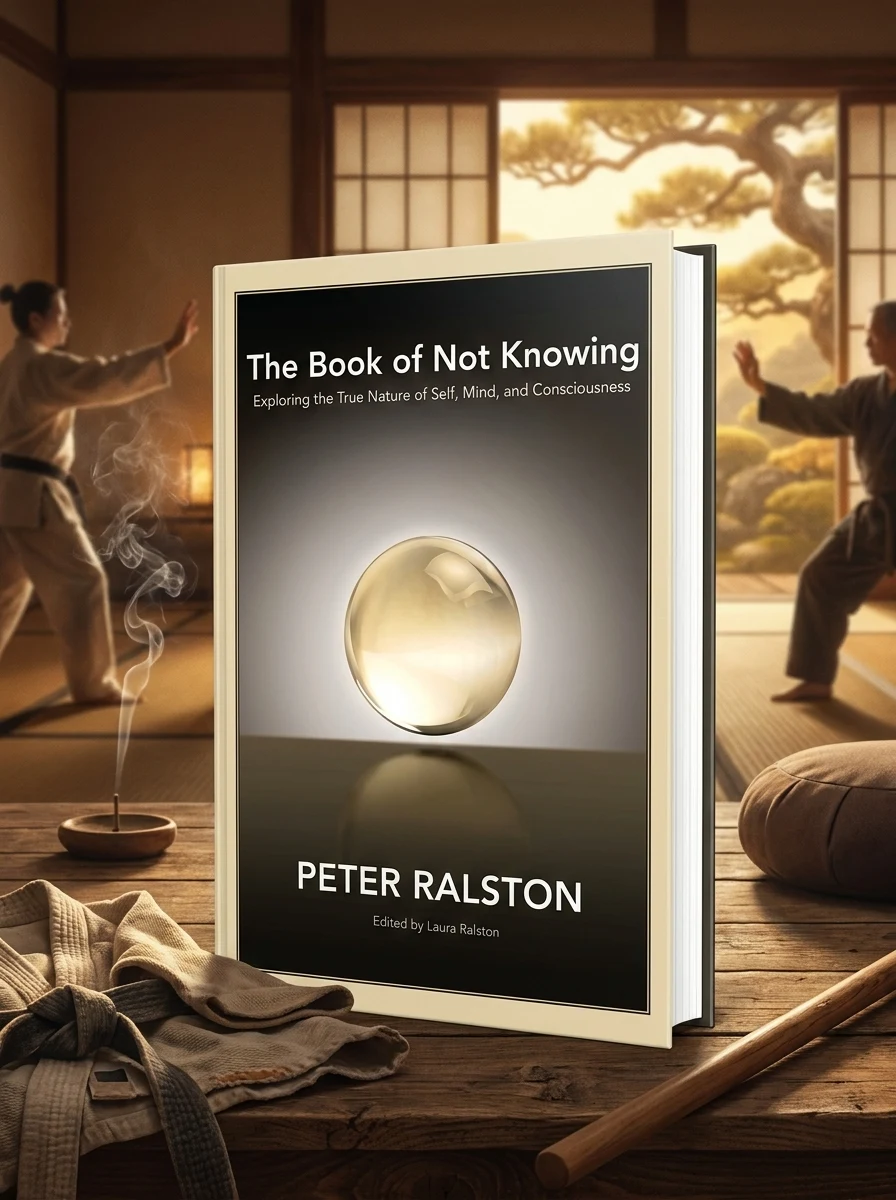
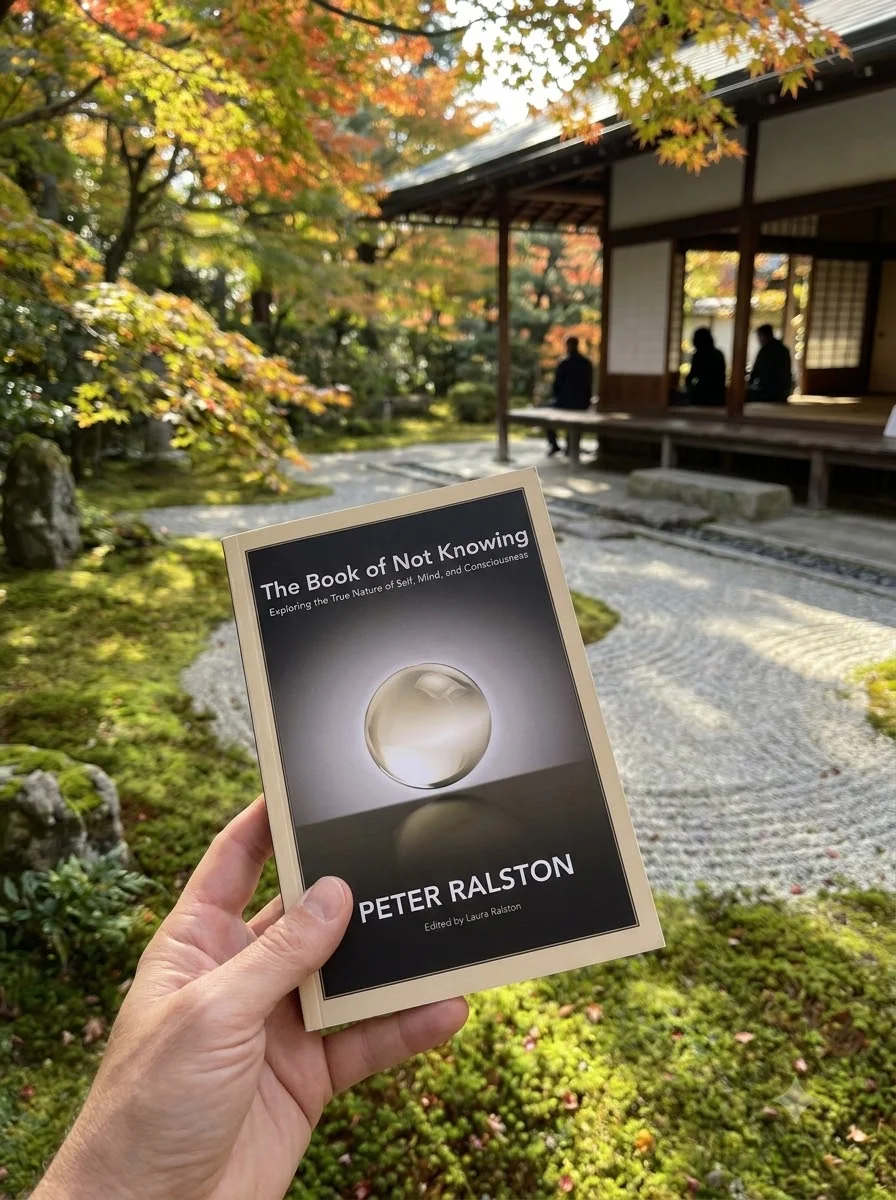
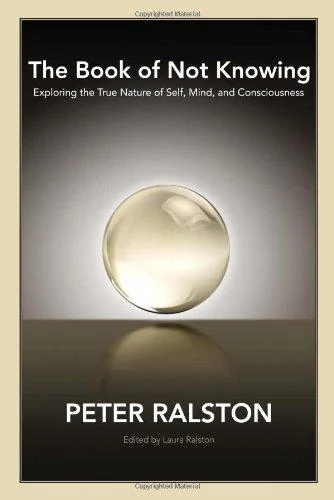
The Book of Not Knowing: Exploring the True Nature of Self, Mind, and Consciousness
✍️ Ralston, PeterDrawing from decades immersed in martial arts and profound meditative practice, Peter Ralston presents a revolutionary path to self-awareness. This isn't about accumulating more knowledge or adopting new belief systems; instead, it's an invitation to directly experience the true nature of mind and consciousness by shedding preconceived notions and ingrained thought patterns. Ralston guides readers to move beyond intellectual constructs, encouraging a raw, unmediated engagement with reality to reveal one's authentic self, unburdened by past conditioning or societal expectations.


Praise for this book
“True innovators are, by definition, ahead of their time. Therefore, they remain largely unrecognized, except by a few. How many of us wish we had met Bruce Lee, sat in a session with Carl Jung, or walked around Walden Pond with Thoreau? Too late for that, but not too late to take notice of Peter Ralston.”
“This is one of those rare books that you can read again, and refer back to... 10 out of 10 on our Infinity Scale. This is a must have book for the serious spiritual seeker.”
📝 Description: The Book of Not Knowing: Exploring the True Nature of Self, Mind, and Consciousness
📑 What's inside
- Introduction: Grounded Enlightenment
- Part I. Questioning the Obvious
- Chapter 1. A Powerful Openness
- Beginning to Wonder
- Beyond the Self Mind
- Knowing and Not-Knowing
- Self and Being
- Chapter 2. Moving Beyond Belief
- Learning to Not-Know
- Natural Contemplation
- Zen Influence
- Relating Differently to Beliefs
- Creating a New Perspective
- Empty Your Cup
- Chapter 3. The Cultural Matrix
- We Are Culture
- Not-Knowing in Our Culture
- The Self in Our Culture
- The Cost of Our Assumptions
- Your Own Experience of These Consequences
- Chapter 4. An Experience of Not-Knowing
- Learning versus Knowing
- Thinking without a Net
- What Is an Experience?
- What Is an Experience of Not-Knowing?
- What Is an Insight?
- Chapter 5. The Principles of Discovery
- Four Cornerstones of Discovery
- Authentic Experience
- Honesty
- Grounded Openness
- Questioning
- Embracing Paradox
- Part II. Our Self Experience
- Chapter 6. Conceptual Dominance
- Creating a Conceptual World
- What Is a Concept?
- Concepts Dominate Our Perceptions
- There's More to Perception than Meets the Eye
- The Solidification of Concepts
- Challenging Conceptual Dominance
- Chapter 7. You Don't Have to Rehearse to Be Yourself
- Being Yourself
- The Real and the False
- Masks and Hats
- Superficial Remedies
- Looking for Self in All the Wrong Places
- Chapter 8. Unknown Origins
- Our Need to Know Level of Consciousness
- Mistaking the Uncognized Mind for the Real Self
- The Origins of Your Self
- Part III. In Search of Real Being
- Chapter 9. What Am I?
- Our Experience of Being
- Identifying Ourselves
- Our Conceptual Self Experience
- Chapter 10. Self and Being
- What Is a Self?
- What Is Being?
- What Is Your Self and What Is Being?
Showing the first 60 entries.
💎 Expert review
📖 Why choose it
Why this book is worth reading
This book is an essential guide for seekers who feel trapped by the endless accumulation of intellectual knowledge and rigid belief systems. It offers profound relief to those weary of spiritual bypassing, inviting them to drop the heavy burden of 'knowing' in favor of raw, unmediated presence. Readers drawn to martial arts philosophy or deep meditative practice will find a revolutionary framework for self-awareness here. By embracing the radical freedom of not knowing, individuals can shed ingrained thought patterns and societal conditioning to reveal their authentic self. It is ideal for those ready to move beyond conceptual constructs and engage directly with the true nature of consciousness, offering a path to liberation that is both practical and deeply transformative.
⭐ Reader reviews
Reader rating
Ralston’s work stands out for its rigorous insistence on direct experience rather than theoretical understanding. While powerful for dedicated practitioners, it will likely frustrate readers seeking quick fixes, dogmatic answers, or structured spiritual hierarchies. It does not suit those who prefer established religious frameworks or intellectual analysis over experiential inquiry. The text demands a willingness to sit with uncertainty and dismantle one's own mental defenses. Consequently, casual readers looking for entertainment or simple self-help advice may find the approach too abstract or demanding. However, for the serious student of consciousness willing to surrender their need for certainty, it provides a compelling and authentic roadmap to inner freedom.
❓ Frequently asked questions
📖 Who should read this
If you're weary of conventional self-help and seek a truly transformative approach to understanding consciousness, this book is for you. It's for the serious seeker ready to challenge their deepest assumptions and embark on a path of direct, unmediated self-discovery.
🎯 Key themes and symbolism
Direct Experiential Knowing
The book passionately advocates for understanding through unmediated experience rather than intellectual concepts or inherited beliefs. Ralston challenges the reader to perceive reality directly, without the filtering lens of thought, thereby accessing a deeper, more immediate truth about consciousness and self. It's a call to feel and witness, not just to think.
Dismantling False Presumptions
Ralston systematically encourages readers to question deeply held assumptions about their identity, mind, and the world. He posits that much of our suffering stems from clinging to these unexamined presumptions. By actively dismantling these mental constructs, the book paves the way for a more genuine and unconditioned understanding of one's true nature.
Cultivating Mindful Awareness
Central to Ralston's teaching is the cultivation of a profound, non-judgmental awareness. This isn't passive observation but an active, moment-to-moment engagement with present reality, free from the narratives the mind often imposes. The book offers practical insights derived from martial arts and meditation to sharpen this inner faculty, leading to clearer perception.
📜 Historical context
📚 Glossary
- Not Knowing
- True Nature
- Direct Experience
📔 Questions to reflect on
- Reflect on a deeply held belief about yourself. How might your experience of the world shift if you were to temporarily suspend that belief?
- Describe a moment when you felt truly present, unburdened by thought or expectation. What was the quality of your awareness in that moment?
- What 'not knowing' feels most uncomfortable to you? How might leaning into that discomfort reveal something new about your consciousness?
📖 Read on the blog
✍️ More books by this author Ralston, Peter
All books by this author →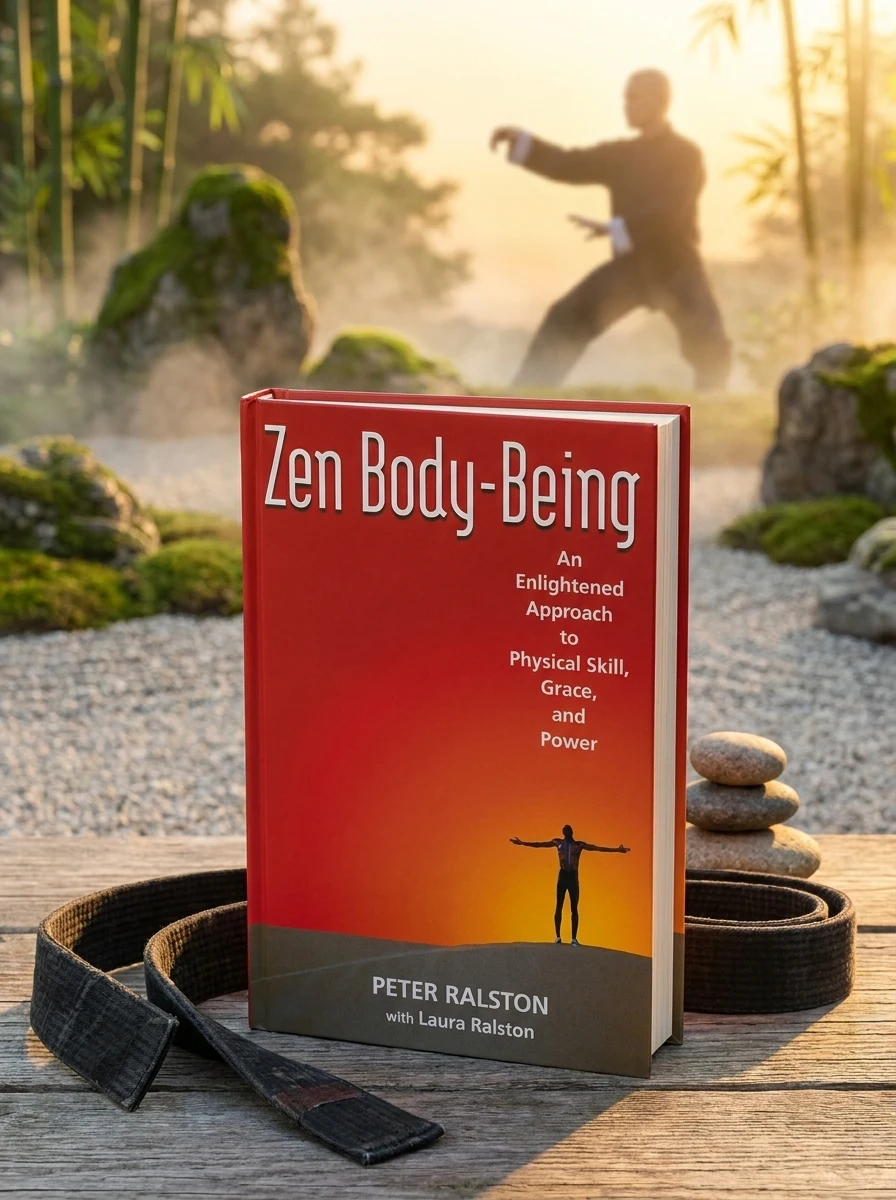


🏛 Books from this publisher North Atlantic Books
All books from this publisher →


You might also like
See more →


Have a question about this item?
Ask about the edition, condition, delivery or anything else — we reply by email or phone, usually within a day.
