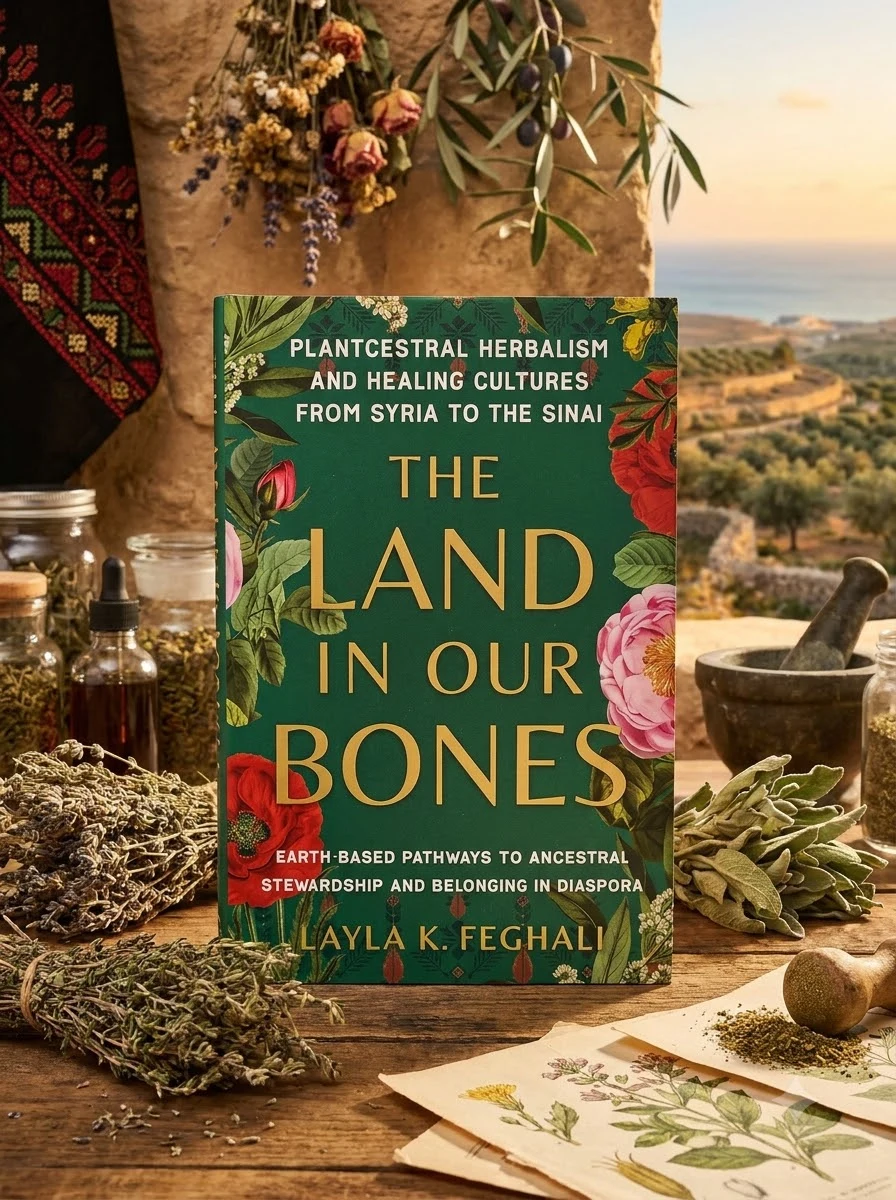
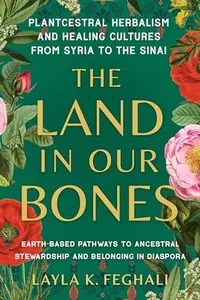
The Land in Our Bones: Plantcestral Herbalism and Healing Cultures from Syria to the Sinai--Earth-Basedpathways to Ancestral Stewardship and Belonging in


Stock reported in the catalog; fulfillment is confirmed with your request.
Unearth ancestral wisdom and reclaim belonging through the healing spirit of the land.
Layla K. Feghali, a Lebanese ethnobotanist, presents a profound journey into the earth-based healing traditions of Cana'an and the broader Middle East. This work delves into how indigenous plant knowledge offers a potent pathway for cultural survival and personal restoration amidst the ongoing impacts of colonization and displacement. Feghali's concept of "Plantcestral Re-Membrance" provides an embodied lifeline, guiding readers to reconnect with their roots and cultivate a sense of belonging, regardless of geographical distance, fostering regenerative healing for both individuals and communities.
This work emerges from contemporary ethnobotanical scholarship and indigenous healing traditions, bridging ancient Middle Eastern plant wisdom with modern discourses on decolonization and cultural survival.


📝 Description: The Land in Our Bones: Plantcestral Herbalism and Healing Cultures from Syria to the Sinai--Earth-Basedpathways to Ancestral Stewardship and Belonging in
💎 Expert review
📖 Why choose it
Why this book is worth reading
Readers deeply affected by displacement, diaspora experiences, or the lingering wounds of colonization will find profound solace in this text. Layla K. Feghali offers a vital roadmap for those seeking to reclaim their identity through the land. By introducing 'Plantcestral Re-Membrance,' she provides an embodied practice that transcends geographical boundaries, allowing individuals to cultivate belonging and regenerative healing. It is essential for anyone feeling disconnected from their heritage or struggling with cultural erasure, offering a tangible way to anchor oneself in ancestral stewardship and personal restoration through the spirit of the earth.
⭐ Reader reviews
Reader rating
Feghali’s synthesis of ethnobotany and spiritual practice is compelling for those interested in earth-based healing. However, readers seeking purely scientific botanical data or detached academic analysis may find the text too personal or anecdotal. It is not suited for those who prefer rigid, secular approaches to herbalism without cultural or ancestral context. The book demands an openness to emotional and spiritual engagement with plant knowledge. If you are looking for a straightforward field guide devoid of political or historical narrative, this work will likely feel overly abstract. It requires a willingness to engage with the heavy themes of colonization and cultural survival alongside botanical wisdom.
❓ Frequently asked questions
📖 Who should read this
If you seek to understand the profound link between land, lineage, and healing, especially in the context of displacement or cultural identity, this book is for you. It's an essential read for herbalists, ethnobotanists, and anyone engaged in decolonial thought or ancestral work.
🎯 Key themes and symbolism
Ancestral Plant Wisdom
This book explores the deep-rooted herbal practices and land-based medicines of the Levant, revealing how these ancient traditions are not merely remedies but profound pathways to understanding our heritage. Feghali shows how integrating this knowledge can facilitate personal and collective healing, connecting us to the wisdom passed down through generations.
Decolonizing Belonging
Feghali meticulously examines the profound wounds inflicted by colonization and forced displacement, offering earth-based knowledge as a radical tool for recovery. She challenges conventional narratives, presenting a framework where reconnection with ancestral lands and practices becomes an act of resistance and a foundational step towards genuine self-determination and belonging.
Diaspora & Connection
For those living away from their ancestral homelands, this work provides a vital exploration of how to forge meaningful connections. It addresses the complexities of diaspora, demonstrating how the practice of "Plantcestral Re-Membrance" can bridge geographical and generational divides, creating an embodied sense of home and continuity wherever one resides.
💬 Quotes from the book
“Our roots, though unseen, bind us to the earth and to each other across generations, offering a blueprint for resilience.”
“To truly heal, we must first re-member the soil from which we sprang, shattered though the geographies may be.”
📜 Historical context
📚 Glossary
- Cana'an (Levant)
- Plantcestral Re-Membrance
- Diaspora
📔 Questions to reflect on
- How do your personal ancestral stories intersect with the land you currently inhabit, and what healing might emerge from exploring that relationship?
- In what ways has displacement or disconnection from your cultural roots impacted your sense of belonging, and how might plants offer a pathway to mend these ties?
- Consider the concept of 'Plantcestral Re-Membrance' in your own life. What plant allies or natural elements from your heritage could you consciously invite into your healing journey?
🏛 Books from this publisher North Atlantic Books
All books from this publisher →
You might also like
See more →