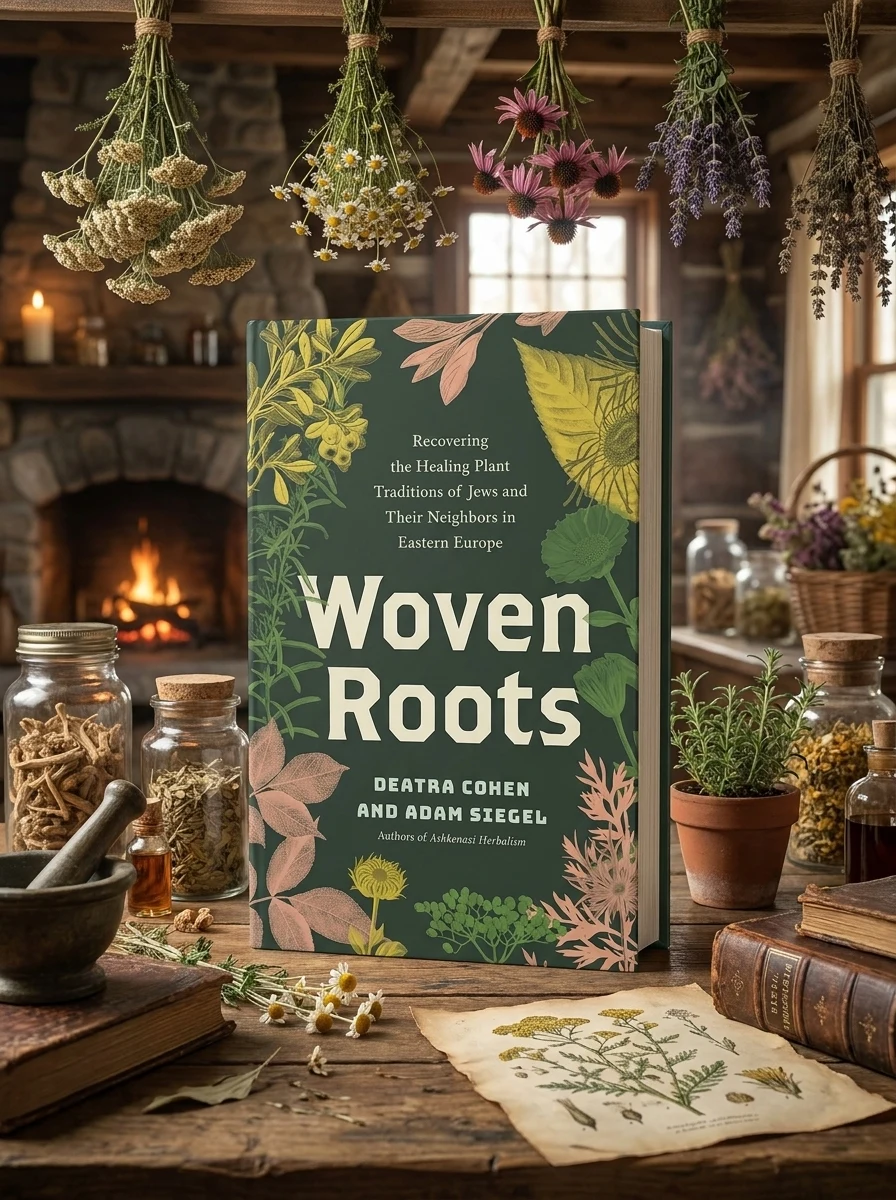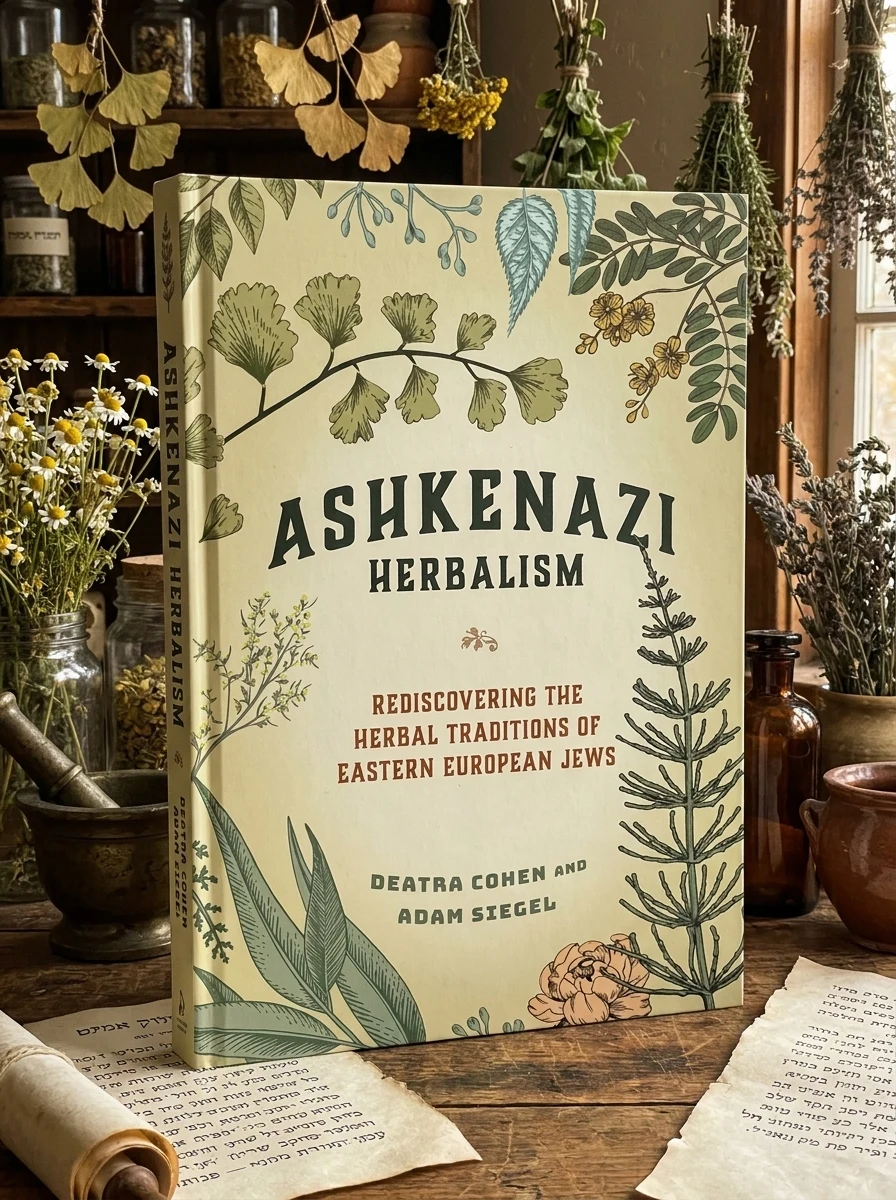
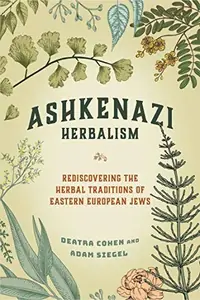
Ashkenazi Herbalism: Rediscovering the Herbal Traditions of Eastern European Jews
Cohen, Deatra; , Siegel, Adam

Stock reported in the catalog; fulfillment is confirmed with your request.
Unearth the hidden botanical wisdom of Eastern European Jewish healers, a forgotten legacy now brought to light.
This groundbreaking work meticulously unveils the previously hidden herbal practices of Ashkenazi Jews, tracing their botanical knowledge from the Middle Ages through the early 20th century. It resurrects a rich tradition from Eastern Europe's Pale of Settlement, offering the first comprehensive materia medica of 26 essential plants. Delving into preparation methods, medicinal properties, and applications, this book illuminates a healing heritage once obscured by linguistic and cultural barriers. It provides crucial historical context, making this invaluable wisdom accessible to both novice and experienced practitioners.
This work resurrects the rich herbal healing heritage of Eastern European Jews from the Pale of Settlement, bridging the gap between historical ethnobotany and contemporary esoteric practice. It serves as a vital link in preserving the forgotten botanical wisdom of Ashkenazi communities that was once obscured by linguistic and cultural barriers.


📝 Description: Ashkenazi Herbalism: Rediscovering the Herbal Traditions of Eastern European Jews
💎 Expert review
📖 Why choose it
Why this book is worth reading
Readers seeking to expand their botanical knowledge beyond standard Western herbalism will find this book an invaluable resource. It is particularly suited for those interested in the intersection of Jewish history, ethnobotany, and esoteric healing traditions. Practitioners who appreciate deep historical context alongside practical application will gain a comprehensive materia medica of 26 essential plants. The authors provide crucial insights into preparation methods and medicinal properties, making this ancient wisdom accessible to both novices and experienced healers alike. It is an ideal choice for anyone wishing to unearth hidden legacies and understand the specific cultural nuances of Eastern European Jewish healing practices without getting lost in academic jargon.
⭐ Reader reviews
Reader rating
While meticulously researched and beautifully presented, this book is not for those seeking quick, superficial remedies or purely secular herbal guides. Readers looking for generic Western herbalism may find the specific Ashkenazi context too narrow or culturally dense. It also requires a willingness to engage with historical and linguistic barriers that have traditionally obscured this knowledge. However, for dedicated practitioners of esoteric traditions and historians of medicine, it offers a groundbreaking perspective. The clear exposition of medicinal properties makes it accessible, yet its specialized focus ensures it remains a niche treasure rather than a mass-market bestseller. It is essential reading for those ready to delve into the specificities of this forgotten legacy.
❓ Frequently asked questions
📖 Who should read this
If you're an herbal practitioner seeking to broaden your knowledge, a historian of Jewish culture, or simply fascinated by the intersection of ethnobotany and forgotten healing arts, this book offers an unparalleled journey into a rich, rediscovered tradition.
🎯 Key themes and symbolism
Rediscovering Lost Traditions
This book meticulously reconstructs an entire system of healing that was nearly erased by history. It highlights how centuries of botanical knowledge among Eastern European Jewish communities, once vibrant and widely practiced, has been carefully researched and reassembled, offering a vital link to a forgotten past and restoring a significant cultural heritage.
Materia Medica & Applications
At its core, the text presents a unique materia medica featuring 26 key plants central to Ashkenazi folk medicine. It details their specific medicinal uses, traditional preparations, and practical applications, providing an invaluable guide for understanding how these herbs were utilized in historical healing practices and how their properties might be re-examined today.
Cultural & Historical Context
Beyond the plants themselves, the book deeply explores the cultural and historical landscape that fostered Ashkenazi herbalism. It examines the social dynamics, religious influences, and geographic specificities of the Pale of Settlement, revealing how these factors shaped the unique development and transmission of Jewish medicinal plant knowledge across generations.
💬 Quotes from the book
“For too long, the botanical wisdom of our ancestors lay dormant, a verdant tapestry obscured by the dust of history and the silence of forgotten tongues. This work seeks to gently brush away that dust.”
“Each plant within this materia medica is not merely a botanical specimen, but a living thread connecting us to generations of healers who understood the subtle language of the earth.”
📜 Historical context
📚 Glossary
- Ashkenazi
- Materia Medica
- Pale of Settlement
📔 Questions to reflect on
- What forgotten healing traditions exist within your own cultural or ancestral background, and how might you begin to explore them?
- Consider the role of language and cultural barriers in preserving or obscuring traditional knowledge. How can we actively work to overcome these?
- Reflect on the concept of "materia medica" and how different cultures interpret and categorize the medicinal properties of plants. What unique insights does the Ashkenazi perspective offer?
✍️ More books by this author Cohen, Deatra; , Siegel, Adam
All books by this author →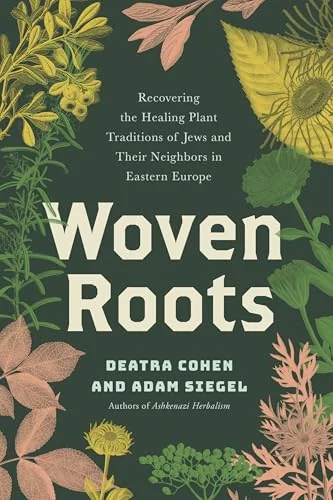
🏛 Books from this publisher North Atlantic Books
All books from this publisher →






You might also like
See more →