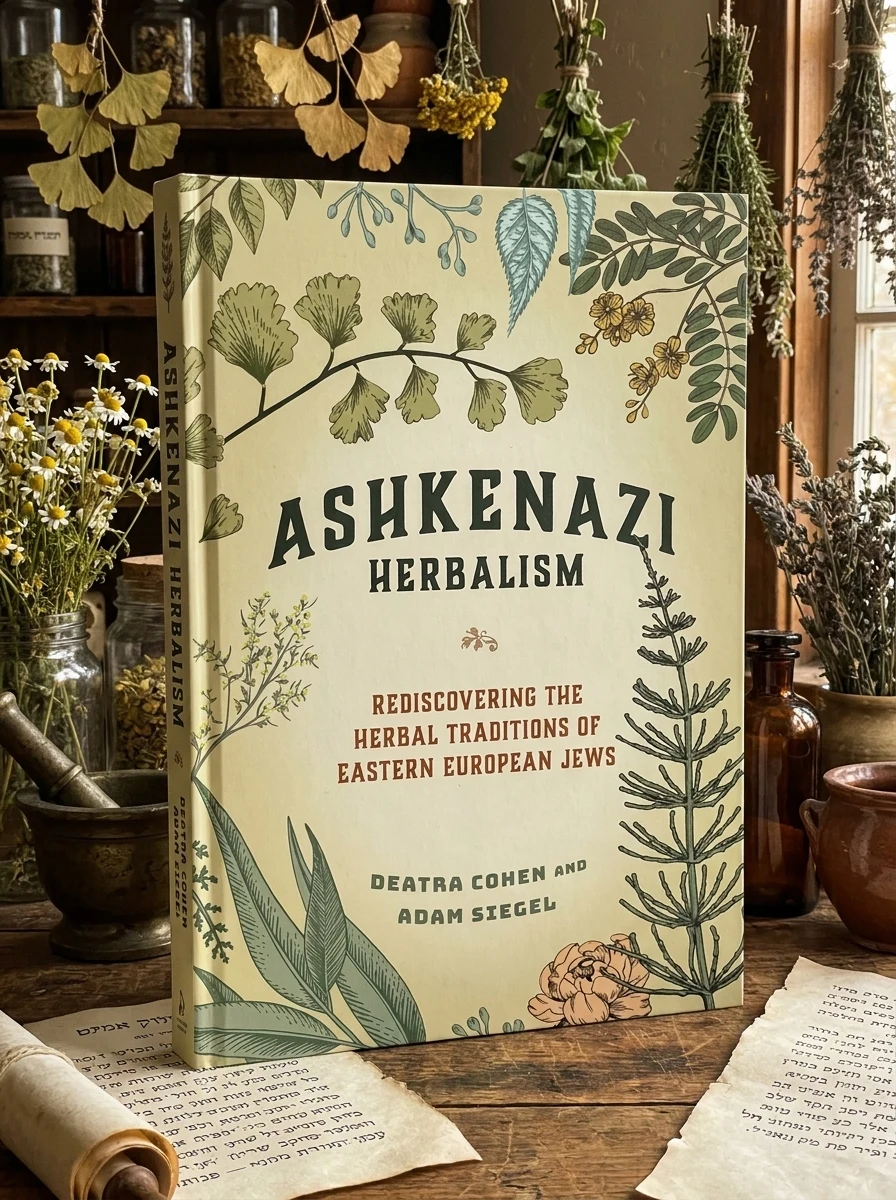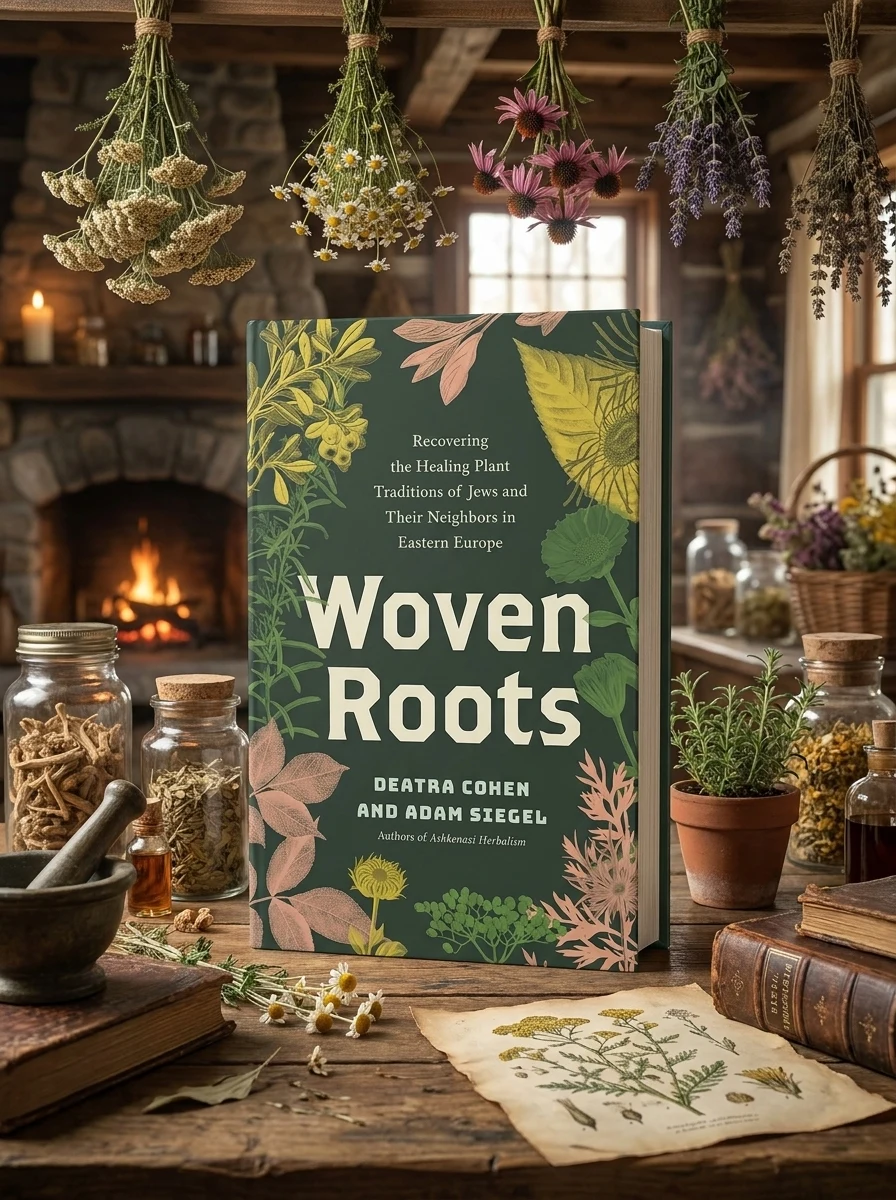
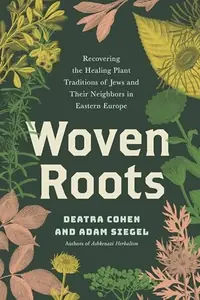
Woven Roots: Recovering the Healing Plant Traditions of Jews and Their Neighbors in Eastern Europe Cohen, Deatra
Cohen, Deatra; , Siegel, Adam

Stock reported in the catalog; fulfillment is confirmed with your request.
Unearth the shared botanical wisdom that healed communities in Eastern Europe's vibrant past.
This insightful volume meticulously reconstructs the plant-based healing practices and folk medicine traditions prevalent in Eastern Europe's Pale of Settlement from the 17th century onward. Cohen and Siegel illuminate the deeply intertwined histories of Ashkenazi Jews and their neighbors, revealing a rich tapestry of shared botanical knowledge and mutual aid. Far from conflict, communities in this region often fostered profound reciprocal relationships with their environment and one another, passing down vital medicinal legacies. It's a testament to the enduring power of nature and human connection.
This volume explores the folk medicine and botanical traditions of Eastern Europe’s Pale of Settlement, weaving together Ashkenazi Jewish history with neighboring communities' shared herbal knowledge. It positions itself within the broader context of esoteric naturalism and regional ethno-botanical recovery.


📝 Description: Woven Roots: Recovering the Healing Plant Traditions of Jews and Their Neighbors in Eastern Europe Cohen, Deatra
💎 Expert review
📖 Why choose it
Why this book is worth reading
Readers seeking a profound connection to the past will find this book invaluable. It offers a gentle yet rigorous recovery of healing plant traditions that often fade from mainstream historical narratives. Those interested in the subtle, reciprocal bonds between Jewish and non-Jewish neighbors will appreciate the emphasis on mutual aid over conflict. The text serves as a reminder of how shared botanical wisdom sustained communities through time. It is ideal for herbalists, historians, and anyone drawn to the quiet resilience of folk practices. By illuminating these intertwined histories, the authors provide a warm invitation to understand our ancestral relationship with the natural world and each other.
⭐ Reader reviews
Reader rating
This work excels in its meticulous reconstruction of shared botanical knowledge, offering a refreshing perspective on communal healing in Eastern Europe. However, readers expecting dramatic narratives or immediate practical herbal recipes may find it too academic or abstract. It is not suited for those seeking quick fixes or sensationalized occult tales. The tone is scholarly and reflective, prioritizing historical nuance over entertaining plot. While the insight into mutual aid is compelling, the dense focus on historical context might alienate casual readers looking for lighter esoteric fare. It demands patience but rewards with deep cultural understanding.
❓ Frequently asked questions
📖 Who should read this
If you're drawn to the forgotten lore of herbal medicine, curious about the hidden histories of Eastern Europe, or seek to understand the intricate social fabric of past communities, this book will deeply resonate. It's an essential read for anyone exploring ethnobotany or the history of shared cultural practices.
🎯 Key themes and symbolism
Shared Healing Traditions
This book unveils the often-overlooked cooperative spirit among diverse communities in the Pale of Settlement. It meticulously documents how Jewish and non-Jewish populations exchanged and developed plant-based medical knowledge, illustrating a profound interdependence and mutual respect that transcended cultural boundaries in the pursuit of well-being.
Women as Healers
The authors highlight the crucial yet historically underappreciated role of women in preserving and transmitting herbal wisdom. From tending medicinal gardens to preparing remedies and acting as community healers, women were central to the perpetuation of these traditions, ensuring the health and vitality of their families and villages for generations.
Eastern European Ethnobotany
Delving into the specific flora of the region, the book provides a detailed exploration of the local plants utilized for healing. It connects the natural environment of the Pale to the daily lives and medical practices of its inhabitants, offering a comprehensive materia medica that grounds ancient remedies in their ecological context.
💬 Quotes from the book
“The elder, often a woman, was the keeper of remedies, her hands knowing the pulse of the earth as intimately as the fevers of her community. She wasn't just a healer; she was a living library.”
“Even amidst the deepest cultural divides, the language of healing herbs often provided a common ground, a shared necessity that transcended political or religious boundaries, fostering an unexpected solidarity.”
📜 Historical context
📚 Glossary
- Pale of Settlement
- Materia Medica
- Ethnobotany
📔 Questions to reflect on
- Reflect on your own family's folk remedies or health traditions. How might they connect to larger historical or cultural currents?
- Consider the role of shared resources in fostering inter-community cooperation in your own life or local history. Where do you see surprising points of connection?
- How does understanding historical ethnobotany change your perception of "modern" medicine or your relationship with the natural world around you?
✍️ More books by this author Cohen, Deatra; , Siegel, Adam
All books by this author →
🏛 Books from this publisher North Atlantic Books
All books from this publisher →





You might also like
See more →