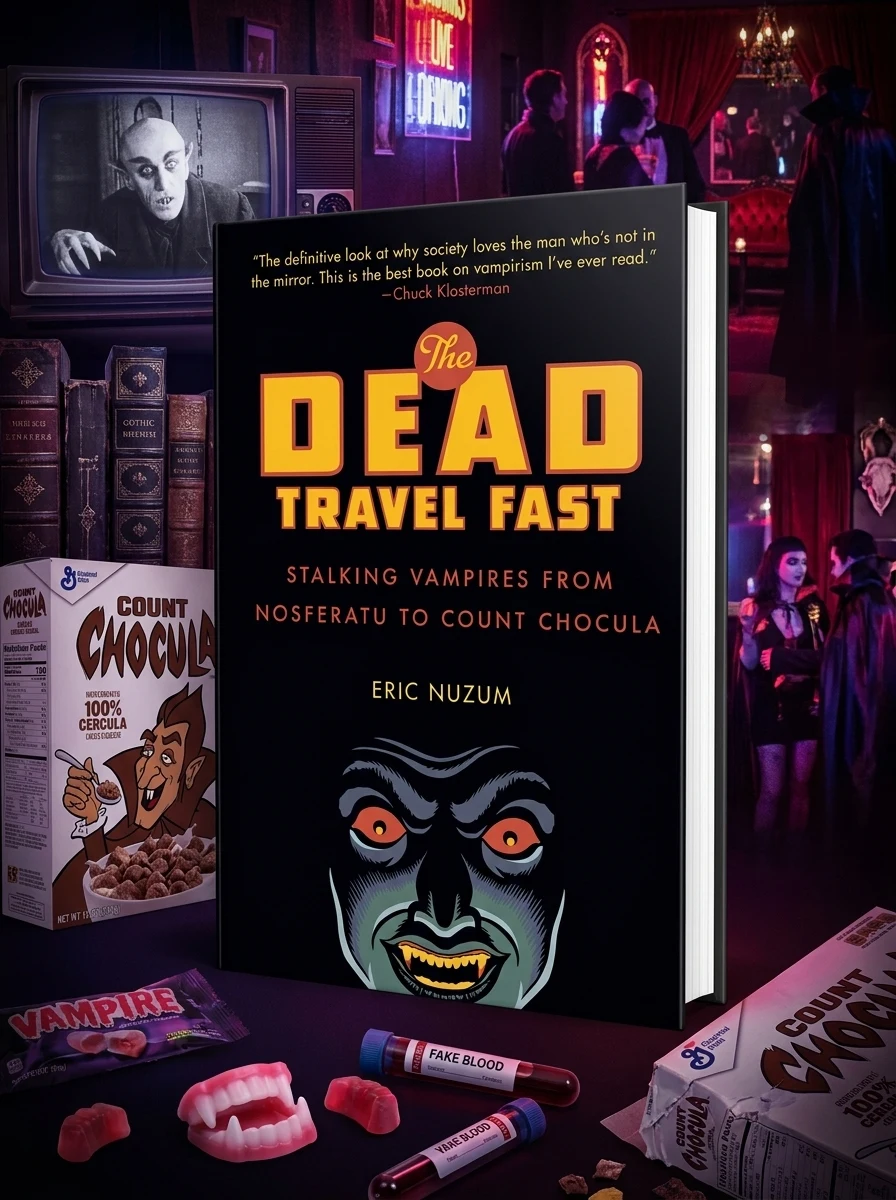
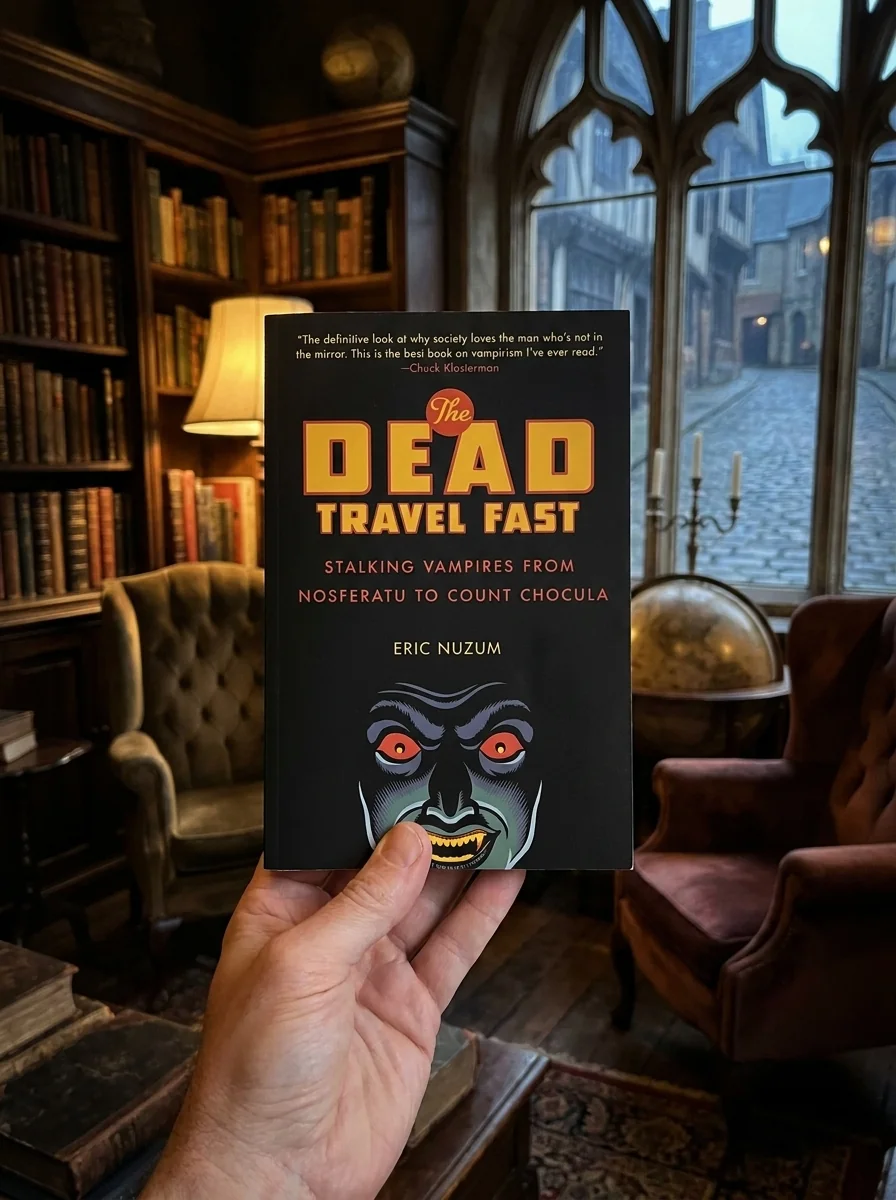
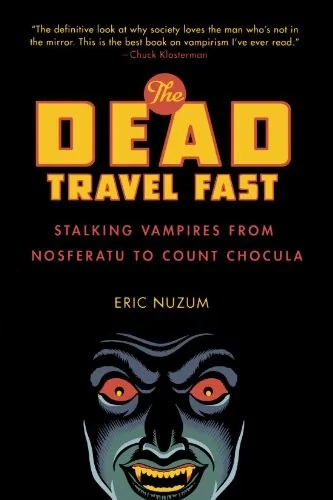
The Dead Travel Fast: Stalking Vampires from Nosferatu to Count Chocula
Eric Nuzum embarks on an insightful journey through the pervasive presence of vampires in contemporary culture. Far from being confined to horror stories, these bloodsuckers have infiltrated every corner of our lives, from classic films and gothic literature to advertising jingles and children's breakfast tables. Nuzum meticulously examines why these figures, once confined to the shadows, have become such recognizable and adaptable symbols, dissecting their evolution and what their omnipresence reveals about our collective anxieties and fascinations with power, immortality, and the forbidden.


Praise for this book
“A narrative adventure that's equal parts travelogue, investigative report, and pop culture criticism.”
“This is a writer you want to follow anywhere.”
“Chatty, breezy, and often hilarious.”
📝 Description: The Dead Travel Fast: Stalking Vampires from Nosferatu to Count Chocula
💎 Expert review
📖 Why choose it
Why this book is worth reading
You should read this book if you are fascinated by how ancient fears evolve into contemporary icons. Eric Nuzum offers a delightful exploration that connects dusty folklore to breakfast cereal, making the study of vampires feel immediate and relevant. It is perfect for those who enjoy understanding why society remains obsessed with immortality and the forbidden. The author’s engaging tone transforms what could be a dry academic exercise into a warm invitation to see the undead in your daily life. Whether you are a horror enthusiast or a cultural critic, this text provides fresh insights into our collective anxieties through the lens of the world's most adaptable monster.
⭐ Reader reviews
Reader rating
Nuzum delivers an insightful journey that effectively maps the vampire’s infiltration from gothic literature to advertising jingles. The analysis of how these figures reflect modern anxieties about power and immortality is particularly sharp, offering a coherent narrative thread through diverse media examples. However, readers seeking rigorous academic theory or deep theological debate may find the scope too broad and the tone too light. It is not suited for those who prefer dense, scholarly monographs over accessible cultural commentary. The strength lies in its breadth rather than depth, making it an excellent primer but potentially insufficient for specialized researchers.
❓ Frequently asked questions
📖 Who should read this
If you're captivated by the intersection of pop culture and the esoteric, or simply wonder why vampires are everywhere, this book is for you. It offers a fresh, analytical look at a familiar trope, perfect for those who enjoy dissecting the 'why' behind cultural phenomena.
🎯 Key themes and symbolism
Vampire Ubiquity Unveiled
This work meticulously charts the astounding spread of the vampire archetype beyond its traditional horror confines. It explores how these creatures have permeated advertising, children's products, and even mainstream media, demonstrating their complete integration into our daily lives and showcasing their unexpected adaptability as cultural symbols across diverse platforms.
Cultural Reflections of the Undead
Nuzum delves into how the evolving image of the vampire serves as a potent mirror to societal shifts. He investigates how our fears, desires, and moral boundaries are projected onto these immortal figures, revealing changing attitudes towards death, sexuality, and power through their cinematic, literary, and commercial transformations across decades.
The Allure of Eternal Night
The book probes the enduring human fascination with creatures that defy mortality and conventional morality. It examines the psychological and cultural reasons why we are so drawn to the dark allure of the undead, exploring themes of immortality, forbidden desire, and the seductive power of transgression that resonate deeply within the collective psyche.
📜 Historical context
📚 Glossary
- Nosferatu
- Archetype
- Pop Culture
📔 Questions to reflect on
- Consider a specific vampire depiction you've encountered outside of traditional horror. What message or product was it promoting, and what does that reveal about our society's relationship with the undead?
- How has your own perception of vampires evolved throughout your life? What cultural influences do you think contributed to those changes?
- If the vampire archetype reflects our collective anxieties, what specific fears or desires do you believe the modern, domesticated vampire represents today?