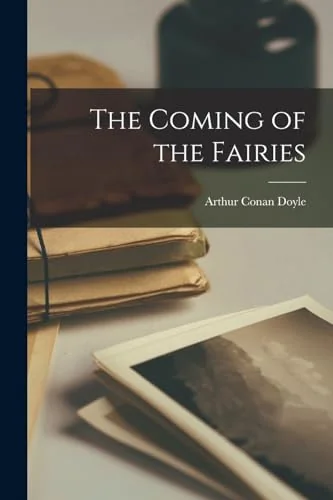
The Coming of the Fairies
Doyle, Arthur ConanStock reported in the catalog; fulfillment is confirmed with your request.
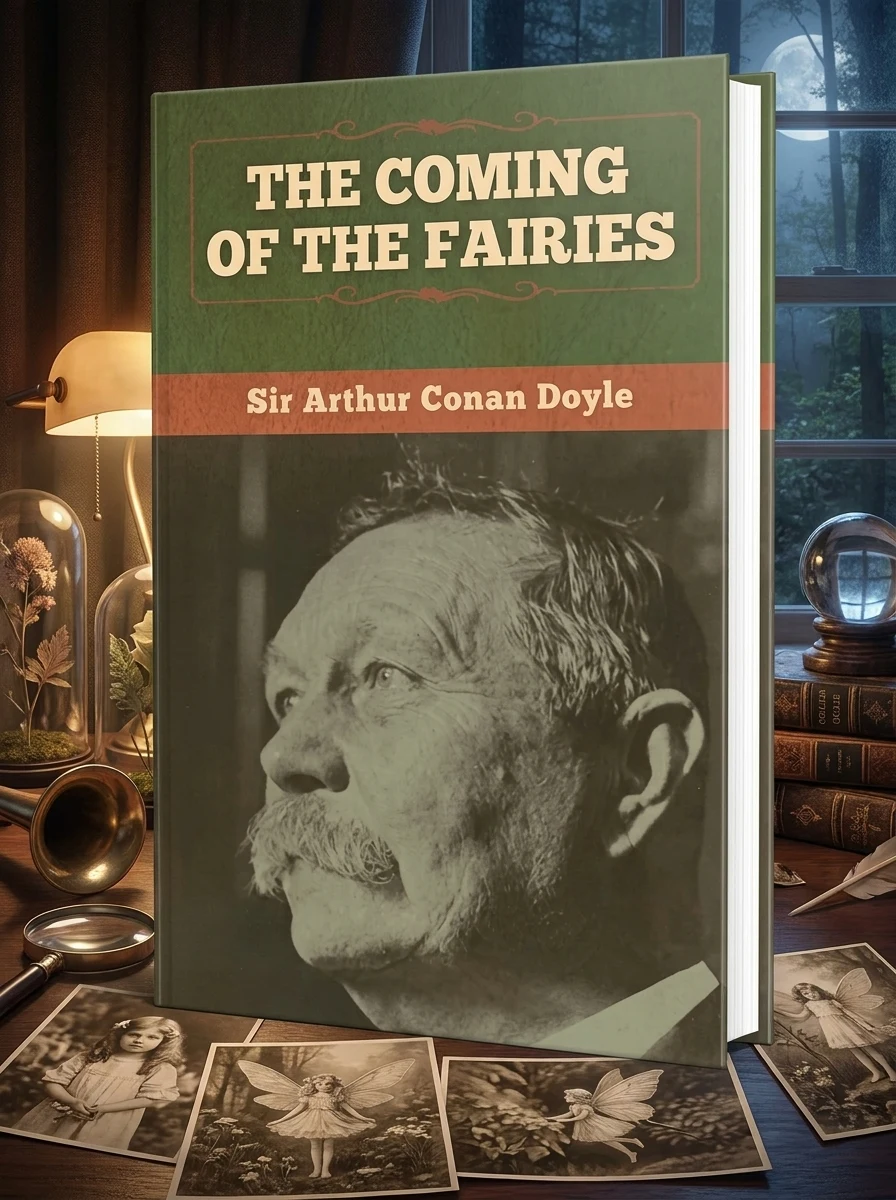
Sir Arthur Conan Doyle, the master of logic, unveils his radical belief in elusive fairy folk.
Step beyond the rational world of Sherlock Holmes as Sir Arthur Conan Doyle, in his later years, delves into the ethereal. This compelling 1921 non-fiction inquiry presents Doyle's earnest examination of alleged encounters with elemental beings, most notably the famed Cottingley photographs. It chronicles his profound conviction in the reality of fairies and their implications for understanding unseen dimensions, offering a fascinating glimpse into the mind of a celebrated author grappling with the mystical.
This work sits at the intersection of early twentieth-century spiritualism and the intellectual crisis of rationality, reflecting a period where established scientific authorities began exploring metaphysical boundaries. It represents a significant cultural moment where the rigid empiricism of the Victorian era collided with the burgeoning interest in the occult and unseen dimensions.


📝 Description: The Coming of the Fairies
💎 Expert review
📖 Why choose it
Why this book is worth reading
Readers fascinated by the duality of Sir Arthur Conan Doyle’s legacy will find this text indispensable. It offers a compelling glimpse into how a celebrated master of logic grappled with the mystical, providing context for his later years and earnest examination of elemental beings. Those interested in the Cottingley photographs or the historical debate between rationalism and spiritualism will appreciate this candid look at a mind bridging two worlds. It is essential for understanding the cultural shift toward accepting unseen dimensions and the profound implications Doyle attributed to these elusive fairy folk encounters.
⭐ Reader reviews
Reader rating
This book serves as a fascinating, albeit perplexing, companion to Doyle’s fictional works, revealing his deep conviction in fairies through the lens of the Cottingley photographs. While it provides valuable insight into early twentieth-century spiritualism and the author’s personal intellectual journey, it may disappoint readers seeking rigorous scientific proof or those who prefer to keep their literary heroes strictly within the realm of logic. It is best suited for those interested in the history of ideas rather than empirical validation. Readers expecting a return to detective fiction will be disappointed, as this is a serious, earnest inquiry into the ethereal that challenges the rationalist persona he famously cultivated.
❓ Frequently asked questions
📖 Who should read this
For seekers intrigued by the intersection of the rational and the mystical, or those fascinated by historical spiritualism. If you ponder the boundaries of belief and the unseen world, this unique exploration by a literary icon awaits your curious mind.
🎯 Key themes and symbolism
Verifying Fairy Existence
Doyle meticulously gathers and presents what he considers irrefutable evidence for the existence of fairies, particularly focusing on photographic documentation. He frames these accounts not as whimsical tales, but as serious observations challenging conventional scientific materialism.
Spiritualism's Broader Scope
This work extends Doyle's deep commitment to Spiritualism, arguing that the presence of fairies provides further proof of spiritual realms beyond human perception. He posits that these elemental beings are part of a larger, interconnected spiritual cosmos, validating his broader esoteric beliefs.
Science Versus Belief
The book navigates the tension between empirical skepticism and intuitive faith. Doyle, a figure often associated with logical deduction, here champions a worldview that embraces phenomena outside conventional scientific understanding, inviting readers to consider the limits of materialist thought.
💬 Quotes from the book
“To dismiss these visible manifestations as mere childish fancy is to ignore the profound implications they hold for our understanding of reality and the spiritual planes.”
“If indeed these small, ethereal beings exist, then the very fabric of our materialist science must be re-evaluated, opening doors to a universe far more wondrous and populated than we currently conceive.”
📜 Historical context
📚 Glossary
- Spiritualism
- Cottingley Photographs
- Elemental Beings
📔 Questions to reflect on
- How does the contrast between Doyle's logical detective work and his belief in fairies challenge your own understanding of belief and skepticism?
- Considering the historical context, what societal needs or anxieties might have made the idea of fairies particularly appealing in the early 20th century?
- Where do you draw the line between verifiable fact and deeply held personal conviction, and how might Doyle's work influence that perspective?
✍️ More books by this author Doyle, Arthur Conan
All books by this author →
 75
75
 85
85
 86
86
🏛 Books from this publisher Cosimo Classics
All books from this publisher → 90
90

 87
87
 90
90
 89
89
You might also like
See more →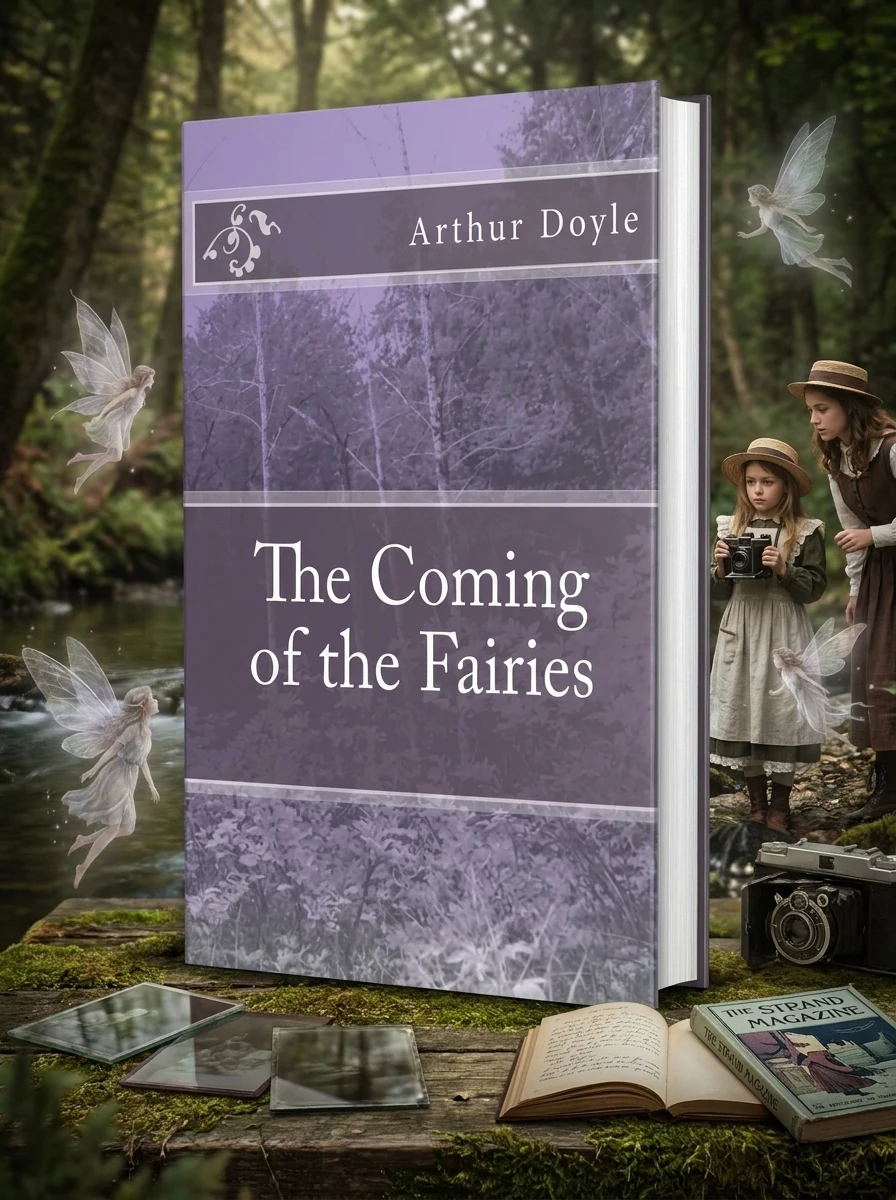
 88
88