US shipping Secure card payment Occult and esoteric books

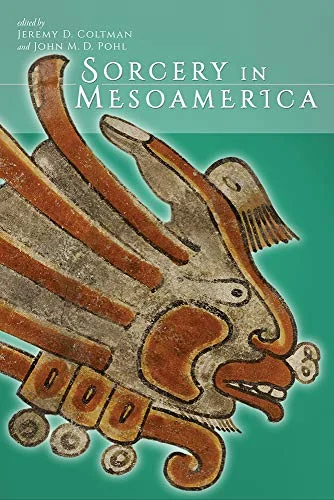
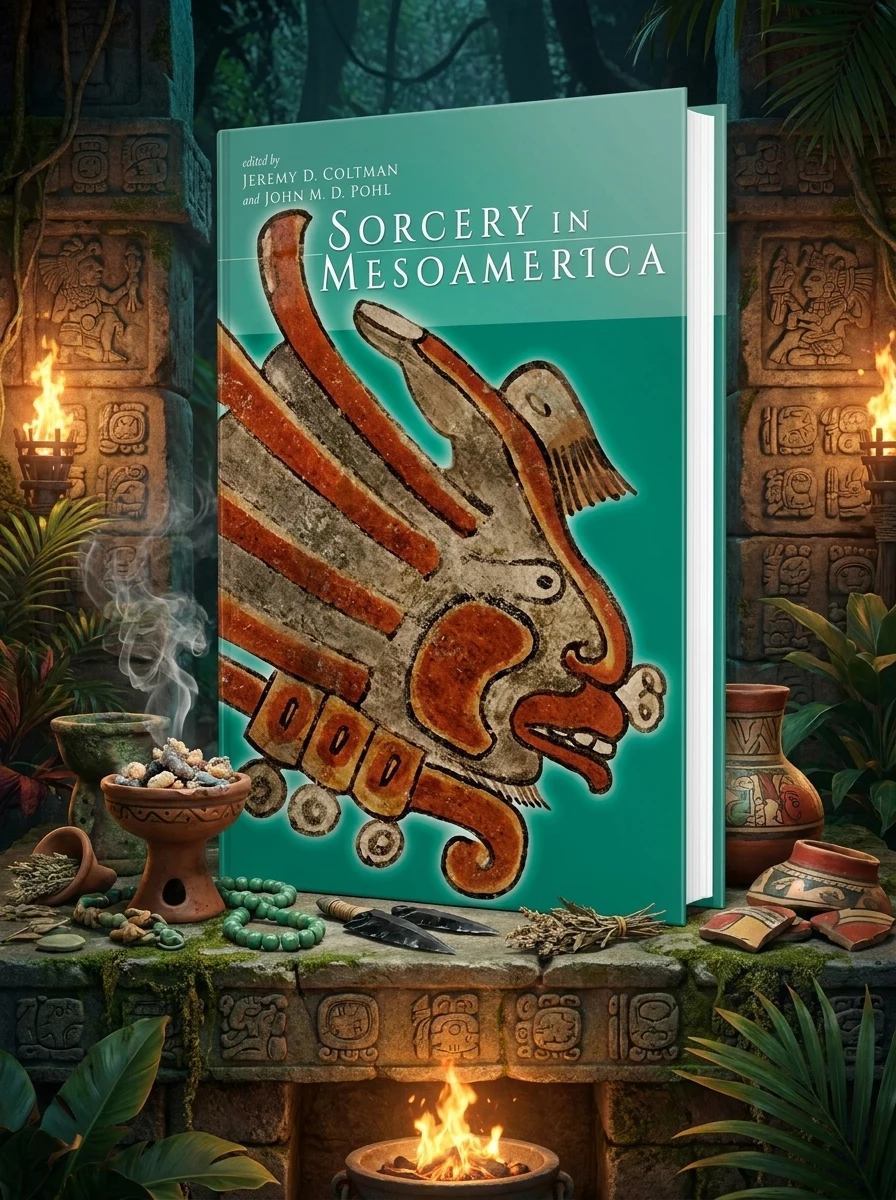
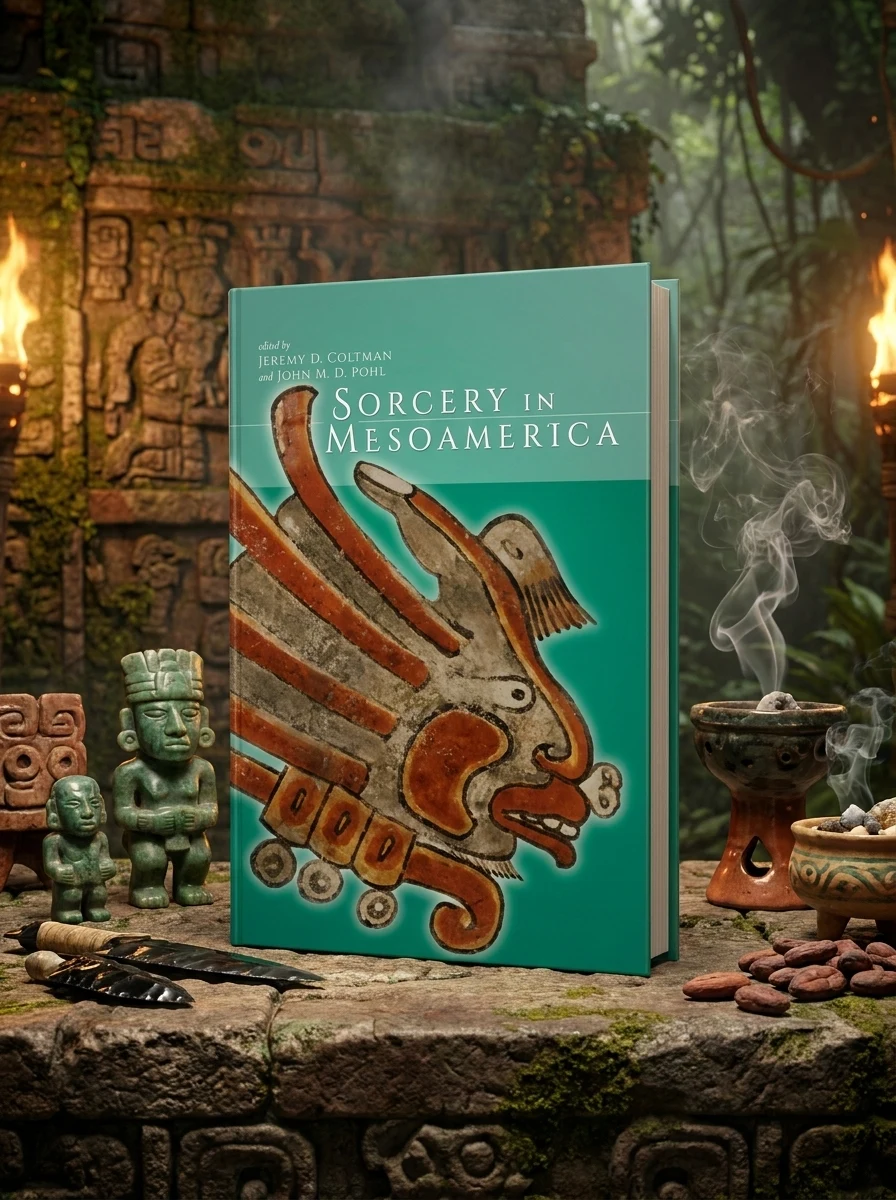
Sorcery in Mesoamerica

Coltman, Jeremy D
Reader rating
4.5
(2 reviews) 89 sold
Availability to be confirmed

This edition can be ordered. No arrival date is confirmed.

📚 ABOUT THE BOOK

Uncover the rational indigenous logic behind Mesoamerican sorcery, from Maya co-essences to Aztec rituals.

This volume dismantles Western misconceptions by presenting Mesoamerican sorcery not as superstition, but as a sophisticated system of social and cultural reasoning. Scholars analyze linguistic structures in Aztec and Maya dictionaries alongside ethnographic practices to reveal how indigenous practitioners integrated European influences with ancient traditions. From Classic Maya wahy beings to Nahua spirit entities, the text reconstructs the intellectual frameworks that guided healers and rain makers, offering a rigorous academic re-evaluation of magic in the region.

Key themes
Indigenous Rationality Linguistic Semantics Syncretic Rituals
Historical context

This academic volume belongs to the rigorous ethnographic and linguistic study of Mesoamerican indigenous traditions, specifically challenging Western anthropological frameworks through scholarly analysis of Aztec and Maya cultures.


Difficulty
●●● Demanding
Fans will love it
Mircea Eliade · Walter van Beek · Luis Leal · The Codex Mendoza
⚜️ Ceremonial Magic
🏛 University Press of Colorado 📖 422 pages 📔 Paperback 📐 Paperback ISBN: 9781607329459
Fun fact
Coltman’s compilation is a vital corrective to the exoticization of Mesoamerican magic, treating it with the scholarly seriousness it deserves. It excels in linguistic analysis and historical depth, making it essential for serious occult historians. However, readers seeking practical spellwork or accessible pop-occultism will find it dry. It sits firmly in the academic corner of magick studies, bridging anthropology and esotericism.
📚 This book appears in Esoterica Books

📝 Description: Sorcery in Mesoamerica

Approaching sorcery as highly rational and rooted in significant social and cultural values, Sorcery in Mesoamerica examines and reconstructs the original indigenous logic behind it, analyzing manifestations from the Classic Maya to the ethnographic present. While the topic of sorcery and witchcraft in anthropology is well developed in other areas of the world, it has received little academic attention in Mexico and Central America until now. In each chapter, preeminent scholars of ritual and belief ask very different questions about what exactly sorcery is in Mesoamerica. Contributors consider linguistic and visual aspects of sorcery and witchcraft, such as the terminology in Aztec semantics and dictionaries of the Kaqchiquel and K'iche' Maya. Others explore the practice of sorcery and witchcraft, including the incorporation by indigenous sorcerers in the Mexican highlands of European perspectives and practices into their belief system. Contributors also examine specific deities, entities, and phenomena, such as the pantheistic Nahua spirit entities called forth to assist healers and rain makers, the categorization of Classic Maya Wahy ("co-essence") beings, the cult of the Aztec goddess Cihuacoatl, and the recurring relationship between female genitalia and the magical conjuring of a centipede throughout Mesoamerica. Placing the Mesoamerican people in a human context--as engaged in a rational and logical system of behavior-- Sorcery in Mesoamerica is the first comprehensive study of the subject and an invaluable resource for students and scholars of Mesoamerican culture and religion.

💎 Expert review

💎
Esoterica Books editorial team
Occult literature desk
Coltman provides a compelling, albeit dense, academic re-evaluation of magic in Mesoamerica. The work excels in presenting sorcery as a system of cultural reasoning rather than mere superstition. However, casual readers seeking accessible narratives or practical ritual guides will likely find this volume too dry and theoretical. It is strictly for those willing to engage with linguistic analysis and ethnographic data. The text does not cater to enthusiasts looking for exoticized stories; instead, it demands attention to scholarly detail. If you prefer straightforward occult manuals over anthropological critique, this book may feel alienating rather than illuminating.
✓ EDITOR'S REVIEW

📖 Why choose it

📖

Why this book is worth reading

Readers deeply invested in the intellectual history of the Americas will find this text indispensable for its respectful dismantling of colonial misconceptions. It offers a rare glimpse into the sophisticated social and cultural reasoning behind Mesoamerican sorcery, moving beyond superficial labels of superstition. By exploring linguistic structures and ethnographic practices, the book reveals how indigenous practitioners seamlessly integrated ancient traditions with European influences. Those fascinated by the mechanics of Classic Maya wahy beings or Nahua spirit entities will appreciate the rigorous reconstruction of these intellectual frameworks. It is essential for scholars and serious enthusiasts seeking to understand the rational logic guiding healers and rain makers in this region.

⭐ Reader reviews

The starting rating comes from the team Esoterica Books —
⭐ Esoterica editorial review Editorial rating 4.4/5
★★★★
Academics and practitioners seeking to understand the intellectual rigor behind Mesoamerican magic. Ideal for those tired of exoticizing narratives, this text demands respect for the complex, logical systems underlying indigenous spiritual practices.

Reader rating

4.5
Based on 2 reviews
5
1
4
1
3
0
2
0
1
0
F
Felix R. ✓ Verified purchase
August 23, 2025

Honestly wasn't sure what to expect, but I'm impressed. The material is presented clearly and the structure makes it easy to revisit key passages. Will be gifting a copy to a friend.

E
Esoterica Books editorial team

Coltman provides a compelling, albeit dense, academic re-evaluation of magic in Mesoamerica. The work excels in presenting sorcery as a system of cultural reasoning rather than mere superstition. However, casual readers seeking accessible narratives or practical ritual guides will likely find this volume too dry and theoretical. It is strictly for those willing to engage with linguistic analysis and ethnographic data. The text does not cater to enthusiasts looking for exoticized stories; instead, it demands attention to scholarly detail. If you prefer straightforward occult manuals over anthropological critique, this book may feel alienating rather than illuminating.

❓ Frequently asked questions

No, it is an academic anthology focusing on historical and sociological analysis rather than instructional rituals.
It spans from the Classic Maya period through the colonial era to the ethnographic present, showing evolution over time.

📖 Who should read this

Academics and practitioners seeking to understand the intellectual rigor behind Mesoamerican magic. Ideal for those tired of exoticizing narratives, this text demands respect for the complex, logical systems underlying indigenous spiritual practices.

🎯 Key themes and symbolism

Indigenous Rationality

Linguistic Semantics

Syncretic Rituals

💬 Quotes from the book

“Sorcery is highly rational and rooted in significant social and cultural values.”

“Reconstructs the original indigenous logic behind it.”

📜 Historical context

While anthropological studies of witchcraft flourished in other global regions, Mesoamerica remained under-theorized until recently. This work fills that void by bridging pre-Columbian archaeological evidence with modern ethnography, challenging the colonial narrative that dismissed indigenous magic as irrational, thereby restoring its status as a serious field of cultural study.

📚 Glossary

Wahy
Kaqchiquel
Nahua

📔 Questions to reflect on

  1. How might your own cultural background influence your perception of 'rational' magic?
  2. In what ways do language and terminology shape the reality of spiritual practices?
  3. Consider the syncretism in the text: how do external influences transform indigenous traditions?

You might also like

See more →