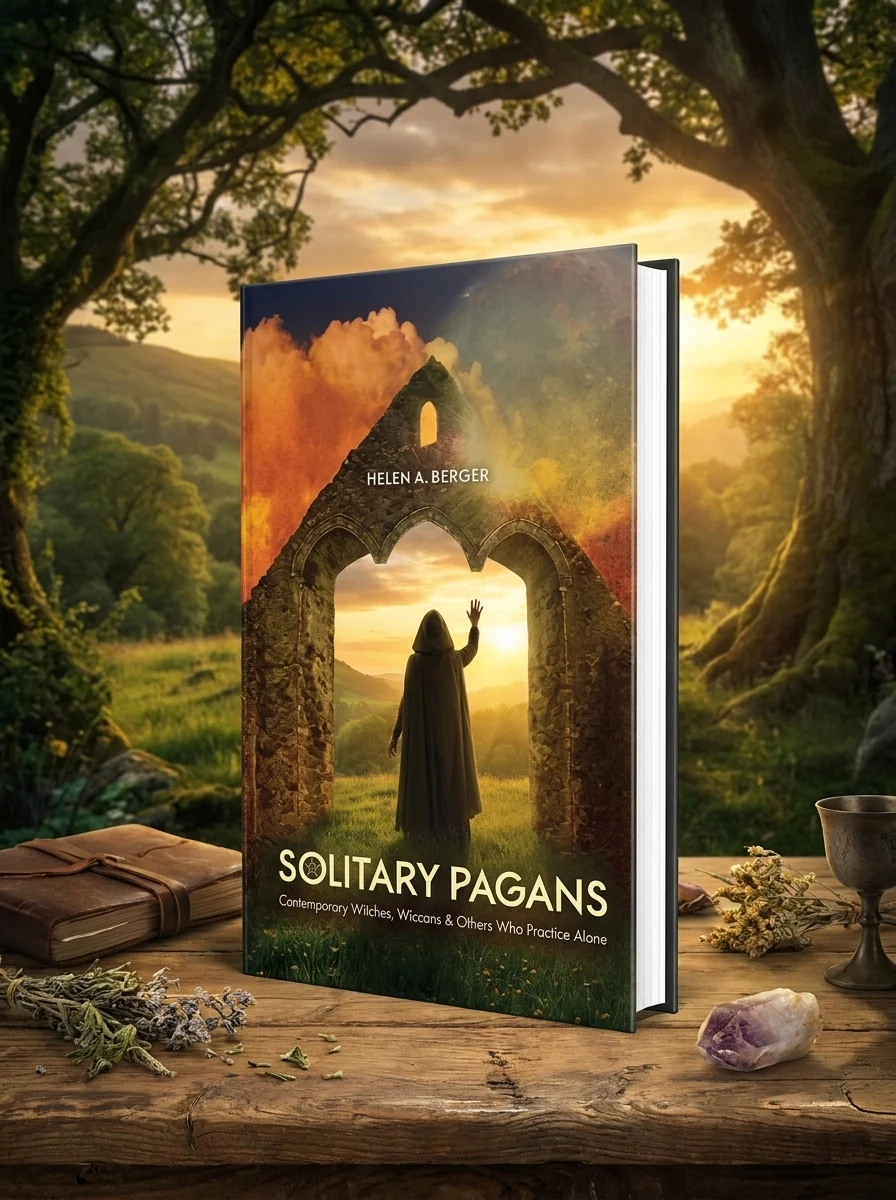
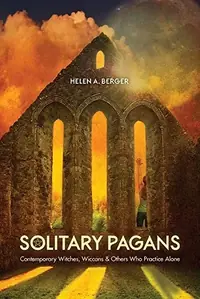
Solitary Pagans: Contemporary Witches, Wiccans, and Others Who Practice Alone
Berger, Helen AThis edition can be ordered. No arrival date is confirmed.
Journey into the intimate, uncharted world of the solitary pagan practitioner.
Helen A. Berger delivers a groundbreaking examination of contemporary Pagans who choose to walk their spiritual path alone. Based on extensive survey data, this study illuminates the demographics, unique practices, and social engagement of solitary witches, Wiccans, and other individual practitioners. It meticulously contrasts their experiences with those in group settings and wider society, even drawing comparisons across international borders. This work redefines our understanding of modern paganism by centering the often-overlooked, self-directed spiritual journey shaped by personal study and individual ritual.
This work situates itself within contemporary Pagan studies, specifically addressing the modern shift toward individualized spirituality and solitary practice within Wicca and broader esoteric traditions.


📝 Description: Solitary Pagans: Contemporary Witches, Wiccans, and Others Who Practice Alone
💎 Expert review
📖 Why choose it
Why this book is worth reading
Readers seeking to understand the nuanced reality of lone spiritual seekers will find profound value in this text. It serves solitary witches and Wiccans by validating their self-directed paths, offering sociological insight into their demographics and unique rituals. Scholars of religion benefit from its rigorous survey data, while general enthusiasts gain a deeper appreciation for the internal mechanics of personal magic. This book is essential for anyone curious about how individual practitioners navigate identity, community engagement, and spiritual growth without traditional group structures, providing a compassionate lens on an often-marginalized aspect of modern paganism.
⭐ Reader reviews
Reader rating
Berger’s sociological approach provides a necessary counter-narrative to the dominant image of communal covens, making it invaluable for researchers and solitary practitioners alike. However, those expecting a practical grimoire or instructional guide to spellcasting will likely find this dry and overly academic. The text prioritizes demographic analysis over mystical experience, meaning readers seeking esoteric secrets or ritual templates may feel frustrated by the lack of hands-on advice. It is a study of people, not a manual for practice, so manage your expectations accordingly if you are looking for immediate magical utility rather than scholarly understanding.
❓ Frequently asked questions
📖 Who should read this
If you're a solitary practitioner seeking validation, a curious scholar of modern religion, or simply interested in the changing landscape of spirituality, this book offers a compelling, data-driven look at an often-misunderstood path. Discover the hidden world of individual devotion.
🎯 Key themes and symbolism
The Solitary Demographic
This book provides a detailed portrait of those who practice paganism independently, outlining their age, background, and other characteristics. It highlights how these individuals differ from their group-affiliated counterparts and the general population, offering crucial insights into the evolving face of contemporary spirituality.
Individualized Spiritual Paths
Explore the diverse ways solitary practitioners engage with their spirituality. From rituals conducted in private spaces to learning primarily through books and the internet, the text delves into the deeply personal and self-guided nature of their practices, offering a window into their unique spiritual methodologies.
Social & Political Engagement
Beyond personal practice, Berger investigates how solitary Pagans interact with the broader community and political landscape. The book addresses questions of social connection, potential isolation, and the impact of individual practice on collective identity, offering a nuanced view of their civic participation.
💬 Quotes from the book
“Our extensive data reveals a clear demographic shift, indicating that the archetypal group-based practitioner is no longer representative of the majority of those identifying as Pagan.”
“The garden, the forest, or a quiet room becomes the sacred precinct for a deeply personal, self-directed spiritual journey, often informed by a blend of ancient lore and contemporary insights.”
📜 Historical context
📚 Glossary
- Paganism
- Wicca
- Solitary Practice
📔 Questions to reflect on
- Reflect on your own spiritual journey: what draws you to solitary practice, or conversely, to community-based worship? What are the perceived advantages and disadvantages of each path?
- Considering the role of the internet and books in modern spiritual learning, how has digital access shaped your understanding or practice of your chosen path, or altered your perception of religious authority?
- The book touches on social engagement and potential isolation. How do you, or how might you, balance your personal spiritual work with a sense of connection to a wider community or the world at large?
✍️ More books by this author Berger, Helen A
All books by this author →
🏛 Books from this publisher University of South Carolina Press
All books from this publisher →
 91
91
 85
85



You might also like
See more →
 91
91