
Scotland's Hidden Sacred Past
Silva, Freddy

Stock reported in the catalog; fulfillment is confirmed with your request.
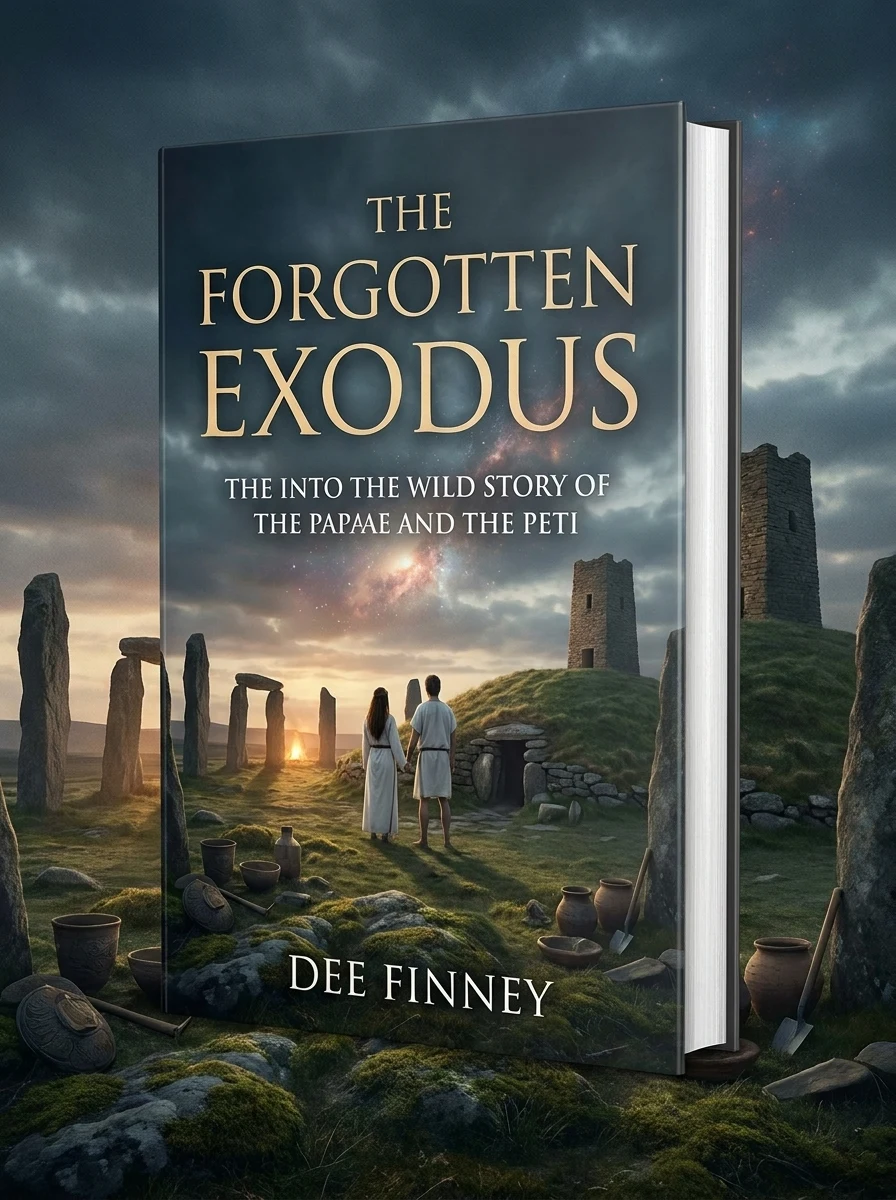
Unravel the enigma of Scotland's colossal stone monuments and their mysterious ancient architects.
Freddy Silva challenges conventional history by proposing a radical new origin for Scotland's monumental Neolithic sites. He meticulously connects the seemingly spontaneous appearance of sophisticated stone circles, standing stones, and passage mounds in Orkney and the Western Isles to advanced cultures from distant lands. Tracing architectural styles, linguistic clues, and local traditions, this work reveals a forgotten migration, shedding light on the "Papae"—skilled, white-clad strangers who reshaped the Scottish landscape and possibly influenced Ireland's sacred heritage. It's a compelling journey into a hidden past.
This work sits firmly within the tradition of alternative archaeology and esoteric history, challenging established academic narratives by proposing radical origins for sacred sites. It aligns with literature that investigates forgotten migrations and hidden cultural influences in prehistoric Europe.


📝 Description: Scotland's Hidden Sacred Past
💎 Expert review
📖 Why choose it
Why this book is worth reading
Readers fascinated by the enigmatic origins of Scotland’s colossal stone monuments will find this book a compelling guide to a forgotten past. Freddy Silva invites you to look beyond conventional history, offering a fresh perspective on the sophisticated architects behind Orkney’s standing stones and passage mounds. If you are drawn to linguistic clues, local traditions, and the mystery of the Papae, this text provides a detailed exploration of how distant cultures may have shaped the Scottish landscape and influenced Ireland's sacred heritage. It is perfect for those who enjoy unraveling historical puzzles and considering the impact of skilled, white-clad strangers on ancient European spirituality.
⭐ Reader reviews
Reader rating
Silva presents a bold thesis connecting Neolithic sites to advanced distant cultures through architecture and language. While the narrative is engaging for those open to alternative histories, it may not suit readers strictly adhering to mainstream archaeological consensus or those seeking peer-reviewed scientific data over speculative migration theories. The work is best appreciated as a fascinating exploration of local traditions and architectural styles rather than definitive proof. It offers a unique lens on sacred heritage but requires an open mind regarding its radical departure from accepted historical timelines.
❓ Frequently asked questions
📖 Who should read this
If you're fascinated by ancient mysteries, alternative histories, and the possibility of forgotten global connections, this book is for you. Dive into a compelling re-examination of our past that challenges established narratives and sparks profound curiosity about early human capabilities.
🎯 Key themes and symbolism
Ancient Transcontinental Migrations
Silva argues that Scotland's Neolithic builders weren't isolated innovators but descendants of highly advanced, seafaring cultures. He meticulously traces their architectural styles and astronomical knowledge to specific ancient civilizations around the Caspian Sea and the Mediterranean, particularly Sardinia and the Armenian Highlands, suggesting a sophisticated, forgotten migratory pattern that fundamentally reshaped northern Europe's cultural landscape.
The Papae Enigma
This theme delves into the mysterious "Papae" and "Peti," legendary white-clad strangers described in ancient local traditions. Silva interprets these figures as highly skilled astronomers and master stone workers, distinct from the indigenous populations. These foreign artisans, he posits, brought their advanced techniques and spiritual practices from their original homelands, fundamentally altering the region's architectural and spiritual development.
Sacred Geographies Recreated
The book explores how the migrating culture deliberately chose the remote Scottish Isles to mirror and recreate the sacred sites of their ancestral lands. It examines the intricate connections between Gaelic language, local myths, and the monumental structures, suggesting a conscious effort to establish a new sacred geography. This influence, Silva argues, extended beyond Scotland, impacting the design and purpose of Ireland's most revered ancient sites.
💬 Quotes from the book
“The stones themselves whisper tales of an audacity that defies our conventional understanding of the Neolithic mind, hinting at a global network of knowledge.”
“To find echoes of Sardinian nuraghe in the remote Scottish Isles is not coincidence, but the indelible signature of a deliberate, long-forgotten journey.”
📜 Historical context
📚 Glossary
- Megalithic
- Papae/Peti
- Passage Mounds
📔 Questions to reflect on
- How might our understanding of ancient civilizations change if we accept the premise of advanced, transcontinental migrations in the Neolithic era?
- Reflect on how local folklore and linguistic similarities, often dismissed as mere tales, could hold vital clues to historical truths that mainstream history overlooks.
- Consider the spiritual or philosophical motivations that might compel a people to painstakingly recreate their sacred geography in a distant, new homeland.
✍️ More books by this author Silva, Freddy
All books by this author →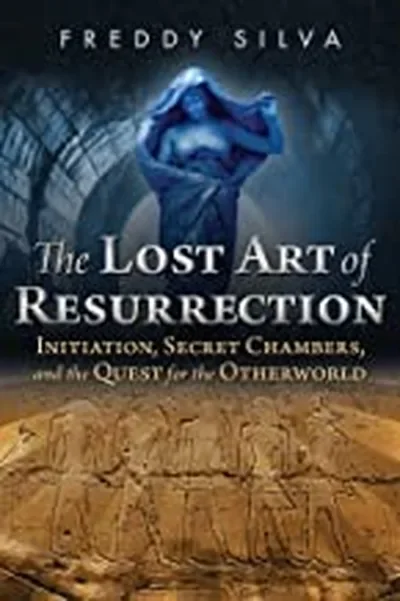
🏛 Books from this publisher Invisible Temple
All books from this publisher →You might also like
See more →