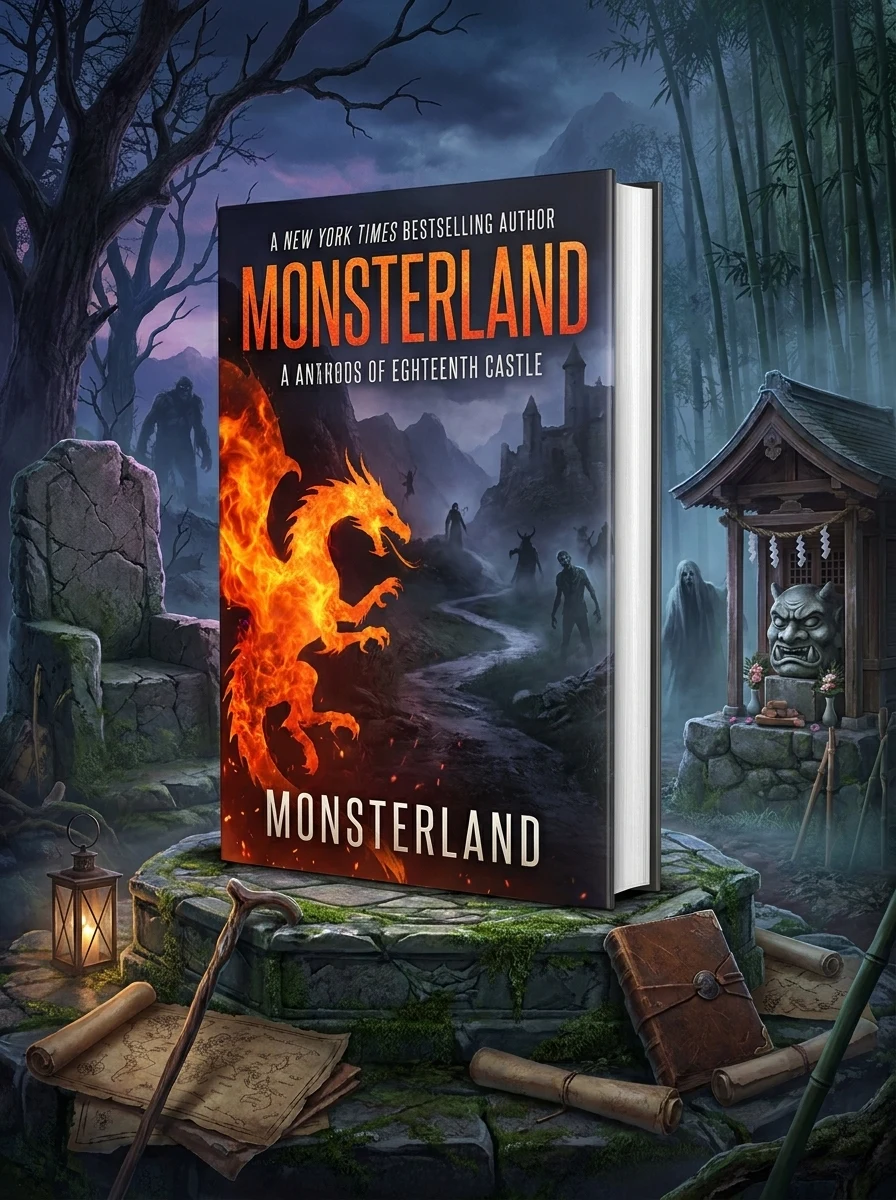
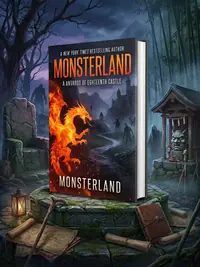

Monsterland: A Journey Around the World's Dark Imagination
Stock reported in the catalog; fulfillment is confirmed with your request.
Explore the shadowy corners where human fear crafts its most terrifying shapes.
Nicholas Jubber embarks on an extraordinary global expedition, delving into the origins of humanity's most primal fears, manifesting as monsters. From Cornish giants to Louisiana shapeshifters and Balkan vampires, he unearths the deep cultural roots of these terrifying figures. This insightful travelogue chronicles not just a physical journey through "Monsterland" but a profound exploration into the collective psyche, revealing how these dark creations reflect our societies, bind communities, and define our understanding of both insiders and outsiders.
This work sits firmly within the tradition of esoteric history and anthropological travel writing, exploring the deep cultural roots of primal fears through a global lens.


📝 Description: Monsterland: A Journey Around the World's Dark Imagination
💎 Expert review
📖 Why choose it
Why this book is worth reading
Readers drawn to the intersection of psychology, geography, and mythology will find profound satisfaction in this journey. Nicholas Jubber invites you to look beyond the surface horror of monsters to understand their societal function. It is ideal for those who wish to comprehend how fear shapes community bonds and defines the boundary between insider and outsider. By tracing figures from Cornish giants to Balkan vampires, the book offers a warm, insightful guide to the human psyche's shadowy corners. You gain a deeper appreciation for how these terrifying shapes are not just random terrors but meaningful cultural artifacts that reflect our shared anxieties.
⭐ Reader reviews
Reader rating
Jubber provides a compelling narrative that bridges the gap between academic anthropology and accessible travelogue. The strength lies in its global scope, connecting disparate fears through a unified thematic thread. However, readers seeking dense theoretical frameworks or purely fictional horror stories may find the tone too light or the analysis too descriptive. It is not suited for those who prefer rigorous, dry academic texts devoid of personal narrative, nor for readers expecting traditional monster hunting tales rather than cultural reflection.
❓ Frequently asked questions
📖 Who should read this
If you're captivated by the dark corners of human imagination, the power of myth, and how terrifying tales shape cultures, this global journey is essential. Discover the deep connections between our collective fears, enduring stories, and the landscapes that birthed them.
🎯 Key themes and symbolism
Origins of Fear & Myth
Jubber meticulously traces the genesis of monstrous figures, demonstrating how ancient fears and environmental peculiarities coalesce into enduring legends. He shows that these tales aren't random but deeply embedded in the historical and geographical landscapes from which they emerge, offering a cultural anthropology of terror.
Monsters as Cultural Mirrors
The book brilliantly argues that our monstrous creations are profound reflections of human society. By examining creatures like ogres or zombies, Jubber reveals how they embody our anxieties, define social boundaries, and often serve as allegories for societal values, prejudices, and collective identity.
Global Folklore Traditions
From Japanese shrines to Louisiana bayous and European forests, Jubber illuminates the astonishing diversity and interconnectedness of global monster lore. He highlights distinct regional interpretations while also uncovering universal human archetypes in the storytelling traditions across disparate cultures.
💬 Quotes from the book
“Every shadow cast by human fear, every unexplained rustle in the dark, finds its form in the monstrous, revealing not the creature itself, but the shape of our own deepest anxieties.”
“From the ghouls of the desert to the water spirits of the bayou, the world's dark imagination is a tapestry woven with shared threads of terror and wonder, binding humanity in its collective dread.”
📜 Historical context
📚 Glossary
- Folklore
- Mythology
- Archetype
📔 Questions to reflect on
- Consider a monster from your own culture or childhood. What societal fears or values might it represent?
- How do the "wild places" of your own region inspire or influence local legends and monstrous tales?
- In what ways do modern anxieties (e.g., technology, climate change) manifest in contemporary monstrous narratives or urban legends?
You might also like
See more →
 91
91