Project Mercury Reichl, Eugen
Reichl, EugenThis edition can be ordered. No arrival date is confirmed.
Witness the dawn of human spaceflight, a gripping race against the heavens and a rival nation.
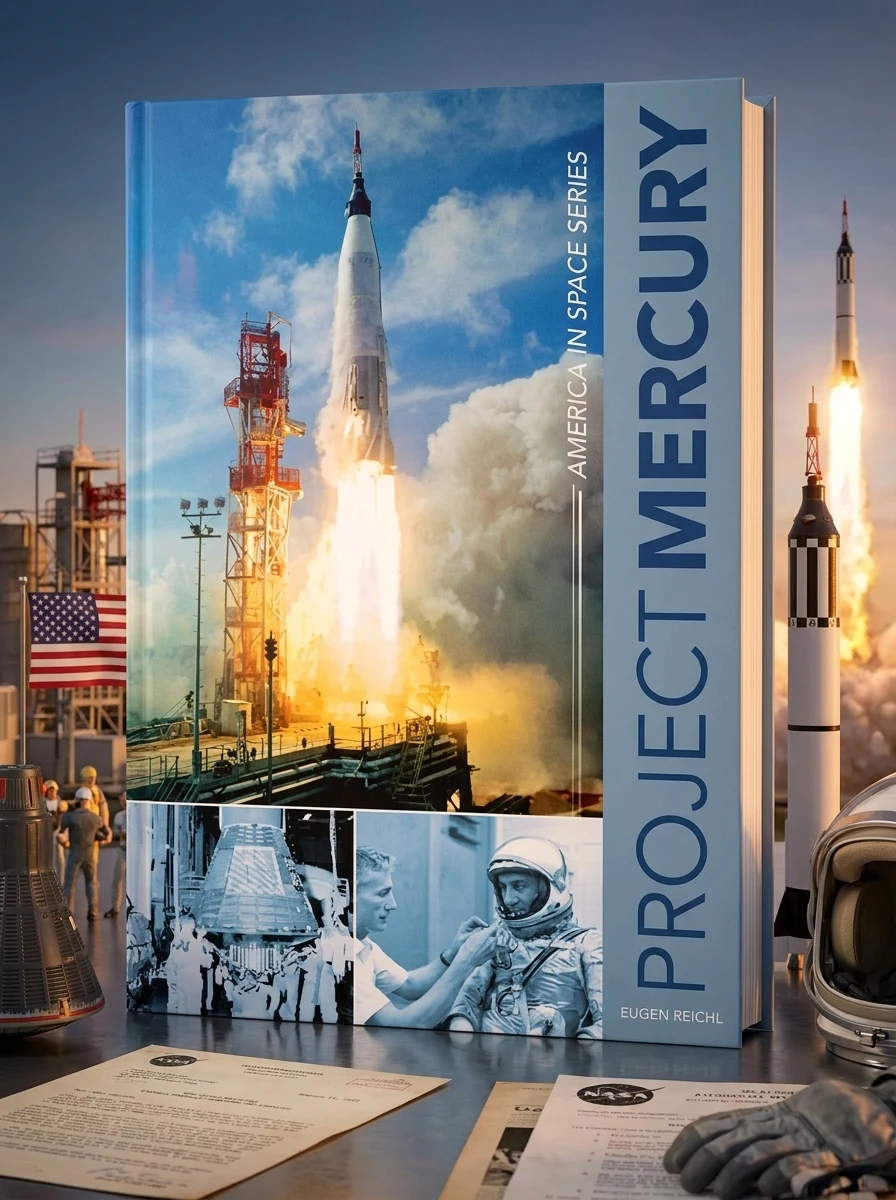
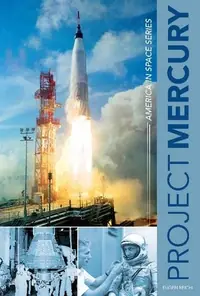
This book meticulously chronicles Project Mercury, America's ambitious foray into human space travel during the intense Cold War space race. Faced with Soviet advancements, the newly formed NASA rapidly developed orbital capsules and powerful rockets. It details the initial suborbital flight of Alan Shepard and John Glenn's historic orbital journey, even as the Soviets achieved the very first human in space. More than just a recount of missions, it illuminates the foundational efforts that paved the way for future lunar triumphs, featuring comprehensive insights into the spacecraft, the pioneering astronauts, and rare archival imagery.
This volume sits at the intersection of Cold War history and aerospace engineering, documenting the pivotal era when national rivalry propelled humanity into orbit for the first time. It serves as a historical record of the technological leap from suborbital tests to sustained orbital flight during the intense geopolitical tension of the mid-twentieth century.


📝 Description: Project Mercury Reichl, Eugen
💎 Expert review
📖 Why choose it
Why this book is worth reading
Readers fascinated by the dawn of human spaceflight and the high-stakes drama of the Cold War will find this book deeply rewarding. It offers a gripping narrative of the race against a rival nation, illuminating the foundational efforts that paved the way for future lunar triumphs. The comprehensive insights into spacecraft design and pioneering astronauts provide essential context for understanding America's ambitious foray into space. With rare archival imagery and meticulous chronicles of missions like Alan Shepard’s suborbital flight and John Glenn’s historic orbital journey, this work appeals to history buffs and engineering enthusiasts alike who wish to witness the dawn of a new era in human exploration.
⭐ Reader reviews
Reader rating
This title delivers a solid, well-researched account of Project Mercury, appealing strongly to those interested in aerospace history and Cold War politics. It successfully balances technical details of capsule development with the personal narratives of early astronauts. However, it is not suited for readers seeking speculative fiction or deep philosophical treatises on space exploration; it remains strictly grounded in historical fact. Those looking for purely mathematical engineering manuals may find the narrative approach too light, while casual readers expecting dramatic novelistic flair might prefer more stylized accounts. It is best appreciated by those who value archival imagery and factual chronology over literary flourish.
❓ Frequently asked questions
📖 Who should read this
If you're captivated by the early days of space exploration, the drama of the Cold War, or the sheer ingenuity of human engineering, this volume offers an unparalleled deep dive. Discover the foundational moments that launched America's journey to the stars.
🎯 Key themes and symbolism
The Cold War Race
The book vividly portrays the geopolitical tension between the United States and the Soviet Union, illustrating how this intense rivalry fueled unprecedented technological innovation and national ambition to achieve supremacy in space exploration.
NASA's Engineering Prowess
Explore the incredible story of NASA's rapid formation and its astonishing ability to design, construct, and launch complex space systems in record time. This section highlights the ingenuity and dedication of the engineers and scientists working under immense pressure.
Pioneering Human Endeavor
Delve into the experiences of the Mercury astronauts and the monumental engineering challenges overcome to safely propel humans into the cosmos. It captures humanity's initial, daring steps beyond Earth's atmosphere and the birth of a new era of exploration.
💬 Quotes from the book
“The engineering hurdles were immense; every component, from the heat shield to the smallest switch, had to be perfect to ensure a safe return from the void.”
“In those cramped capsules, with the Earth a swirling blue marble below, the Mercury astronauts truly became the vanguard of human ambition.”
📜 Historical context
📚 Glossary
- Project Mercury
- Suborbital Flight
- Orbital Capsule
📔 Questions to reflect on
- What does the Project Mercury era reveal about the relationship between national pride and scientific endeavor?
- How might the history of space exploration have differed if the Soviets had not been the first to launch Sputnik?
- Consider the bravery required by the Mercury astronauts, knowing the untested nature of their craft. How does this compare to modern-day exploration?
📖 From the series “America in Space”
All books in the series →
✍️ More books by this author Reichl, Eugen
All books by this author →🏛 Books from this publisher Schiffer Publishing
All books from this publisher →
 89
89







You might also like
See more →



 91
91

 91
91