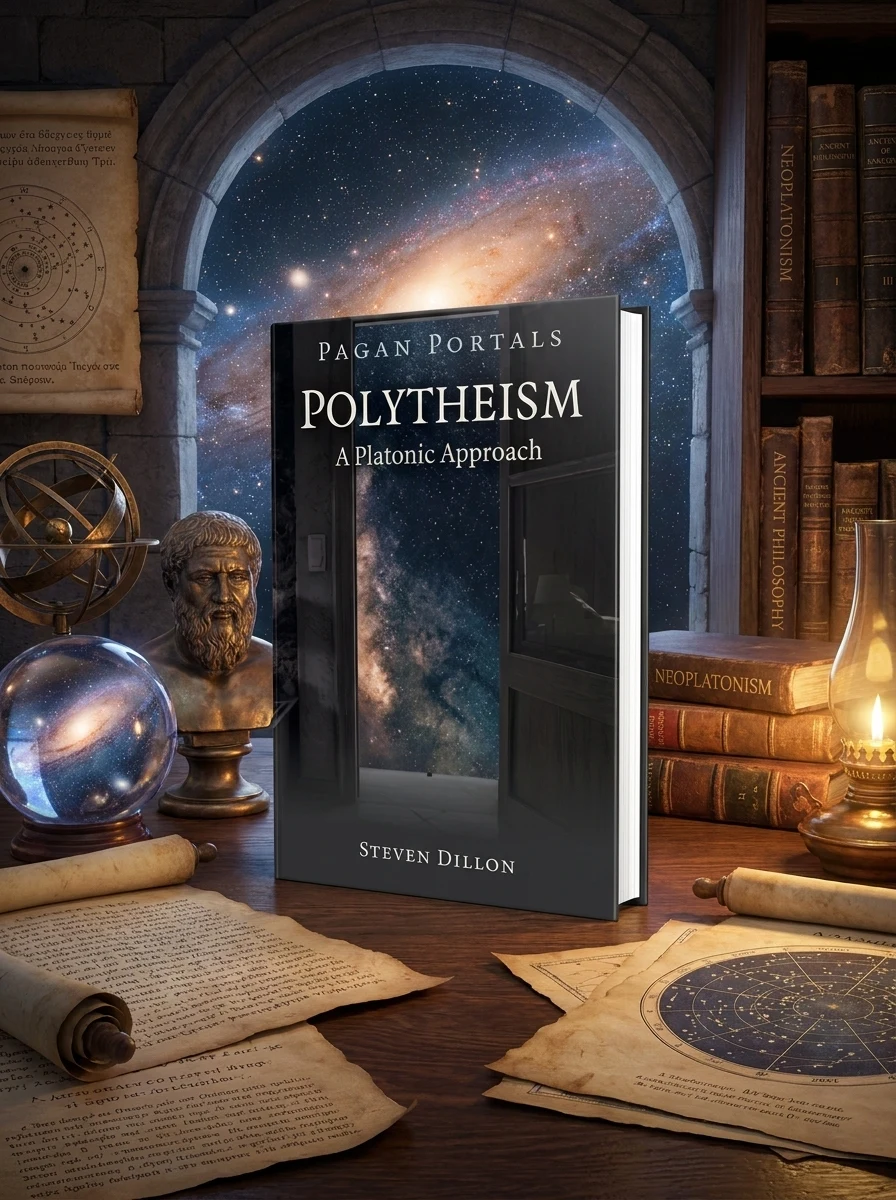
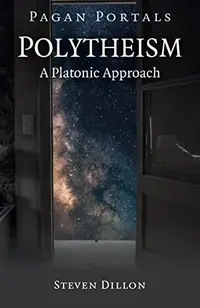
Pagan Portals - Polytheism: A Platonic Approach
This edition can be ordered. No arrival date is confirmed.
Unravel the cosmos from the divine down, guided by ancient wisdom and a modern polytheist lens.
For too long, serious polytheistic thought has been fragmented, lacking a cohesive philosophical framework. Steven Dillon's 'Pagan Portals - Polytheism: A Platonic Approach' masterfully bridges this divide, offering a singular, comprehensive vision of existence. Drawing deeply from Platonic philosophy, this book constructs a unified understanding of reality, charting the descent of all phenomena from the divine. It transforms the seemingly simple premise of a transcendent realm into a profound exploration of how the gods permeate and shape every aspect of our world, making complex ideas both accessible and illuminating.
This work sits at the intersection of contemporary polytheistic practice and classical Platonic philosophy, offering a structured theological framework for modern pagan thought. It addresses the historical fragmentation in serious polytheistic discourse by grounding it in ancient metaphysical traditions.


📝 Description: Pagan Portals - Polytheism: A Platonic Approach
💎 Expert review
📖 Why choose it
Why this book is worth reading
Readers seeking a robust philosophical foundation for their polytheistic beliefs will find this text indispensable. Steven Dillon provides a cohesive vision that many modern practitioners lack, bridging the gap between abstract metaphysics and tangible divine interaction. Those who feel that contemporary pagan thought is too fragmented or lacking in depth will appreciate this singular, comprehensive approach. It transforms complex Platonic concepts into an illuminating exploration of how gods shape reality, making it essential for serious students of esoteric philosophy who desire intellectual rigor alongside spiritual insight.
⭐ Reader reviews
Reader rating
Dillon’s work is a masterful synthesis of ancient wisdom and modern polytheistic inquiry, constructing a unified understanding of existence that descends from the divine. However, this book is not suited for those seeking simple ritual instructions or casual pagan spirituality. Readers expecting accessible, non-academic language may find the Platonic framework dense and demanding. It requires patience and an interest in metaphysical theory rather than practical application. For those willing to engage with the intellectual heavy lifting, it offers profound clarity on how the transcendent permeates the material world, but it remains firmly rooted in scholarly philosophical tradition.
❓ Frequently asked questions
📖 Who should read this
Are you a polytheist seeking a profound philosophical foundation for your beliefs? Do you feel traditional pagan literature lacks a cohesive metaphysical vision? If you yearn to connect the dots between the divine and the material world through an accessible yet rigorous approach, this book is an essential guide for your journey.
🎯 Key themes and symbolism
Unified Cosmic Vision
Dillon presents a grand, overarching narrative of reality's structure, illustrating how all existence "unravels" from the gods. This book offers a comprehensive map, connecting the mundane to the transcendent, and showing how every aspect of the natural world finds its ultimate source and meaning within a divine pantheon, fostering a holistic worldview.
Accessible Metaphysical Exploration
Often, profound philosophical concepts can be obscured by dense language. This volume takes complex metaphysical ideas, particularly those from Platonism, and renders them remarkably approachable. It serves as an excellent guide for readers eager to delve into the philosophical underpinnings of polytheism without being intimidated by academic jargon or fragmented discourses.
💬 Quotes from the book
“To truly comprehend the many gods, one must first grasp the singular, transcendent source from which their very multiplicity unfolds, not as division, but as divine emanation.”
“What appears as disparate spiritual currents are, in fact, interwoven threads within a grand cosmic tapestry, each leading back to the loom of the divine mind.”
📜 Historical context
📚 Glossary
- Polytheism
- Platonic Approach
- Transcendent
📔 Questions to reflect on
- How does a Platonic understanding of divine Forms deepen or challenge your current perception of individual deities within a polytheistic framework?
- Considering the concept of 'unravelling of all things from the gods,' how might this alter your view of nature, causality, and your own place within the cosmos?
- If polytheism can be approached with such a rigorous philosophical method, what implications does this have for the public perception and academic study of modern pagan traditions?
🏛 Books from this publisher Moon Books
All books from this publisher →

 81
81

 89
89

You might also like
See more → 91
91
 91
91