US shipping Secure card payment Occult and esoteric books

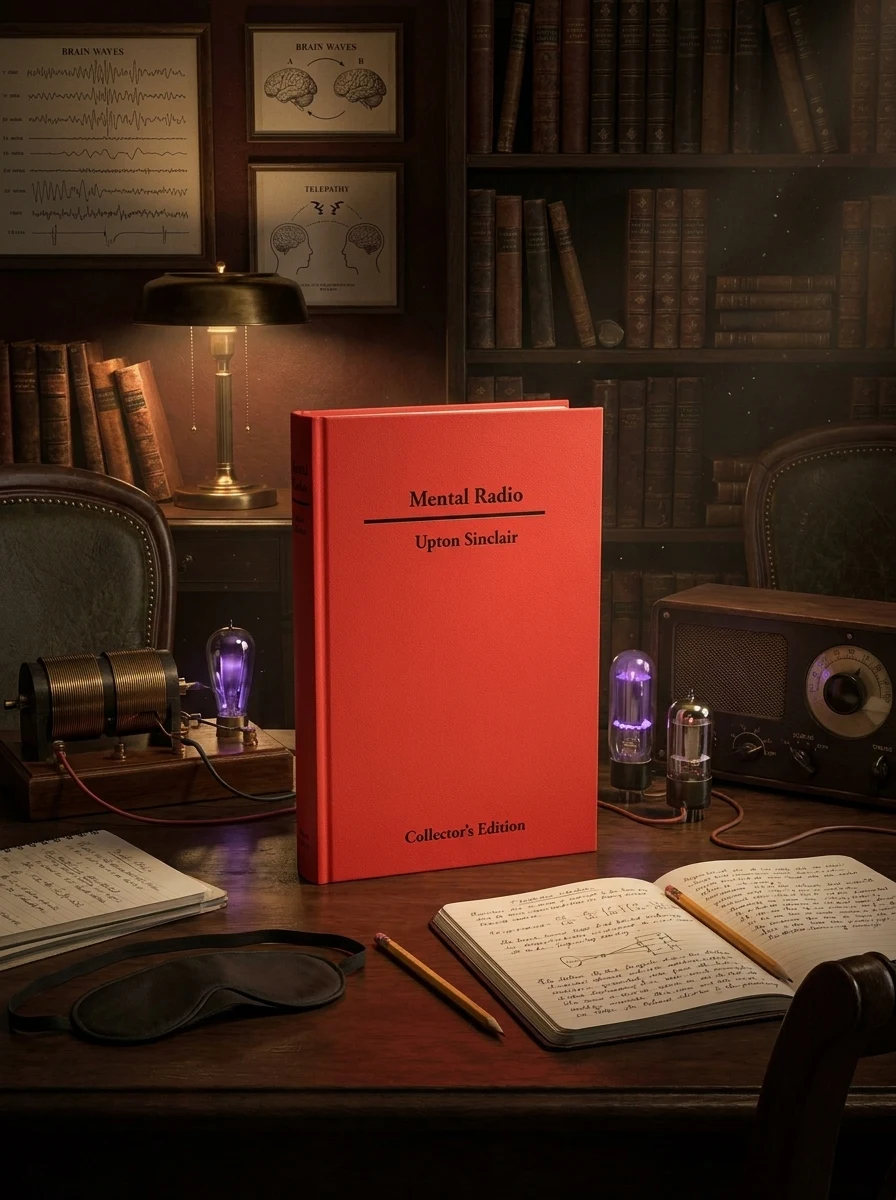
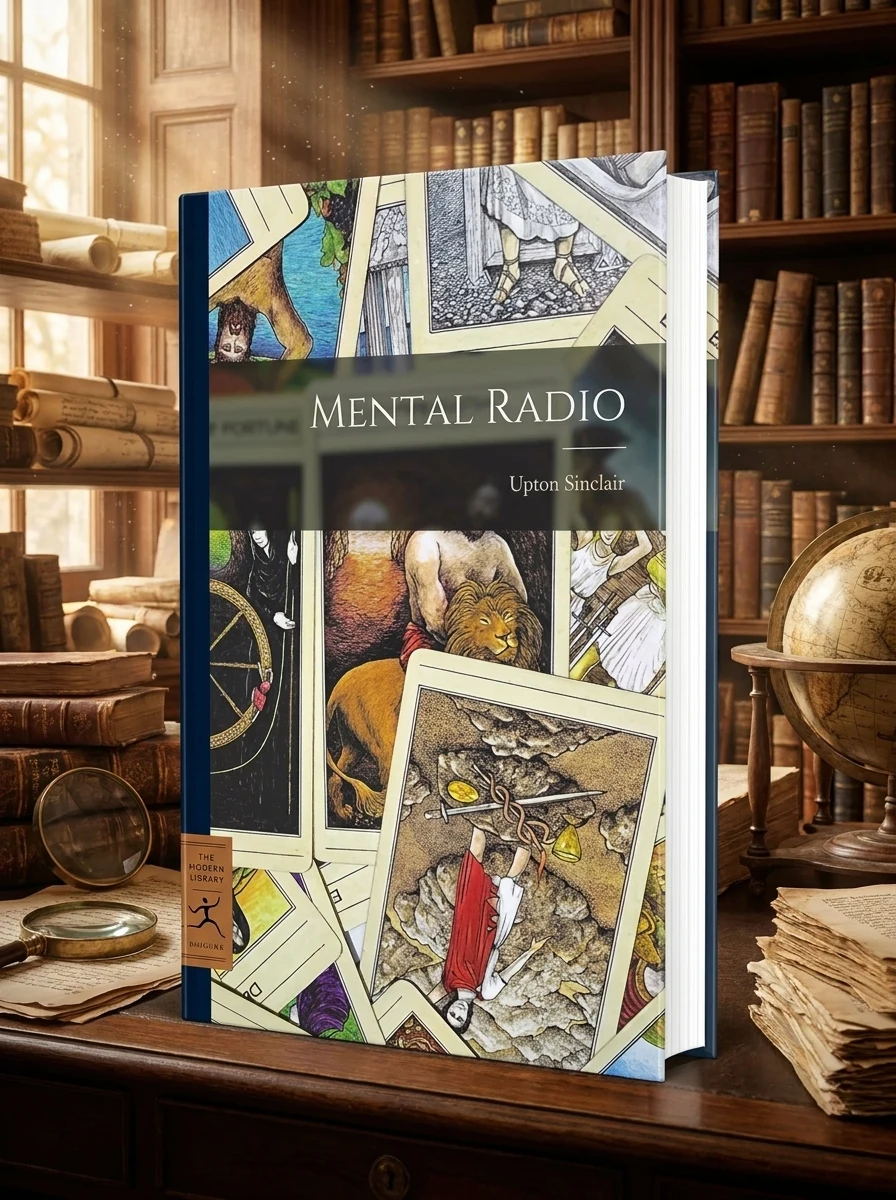
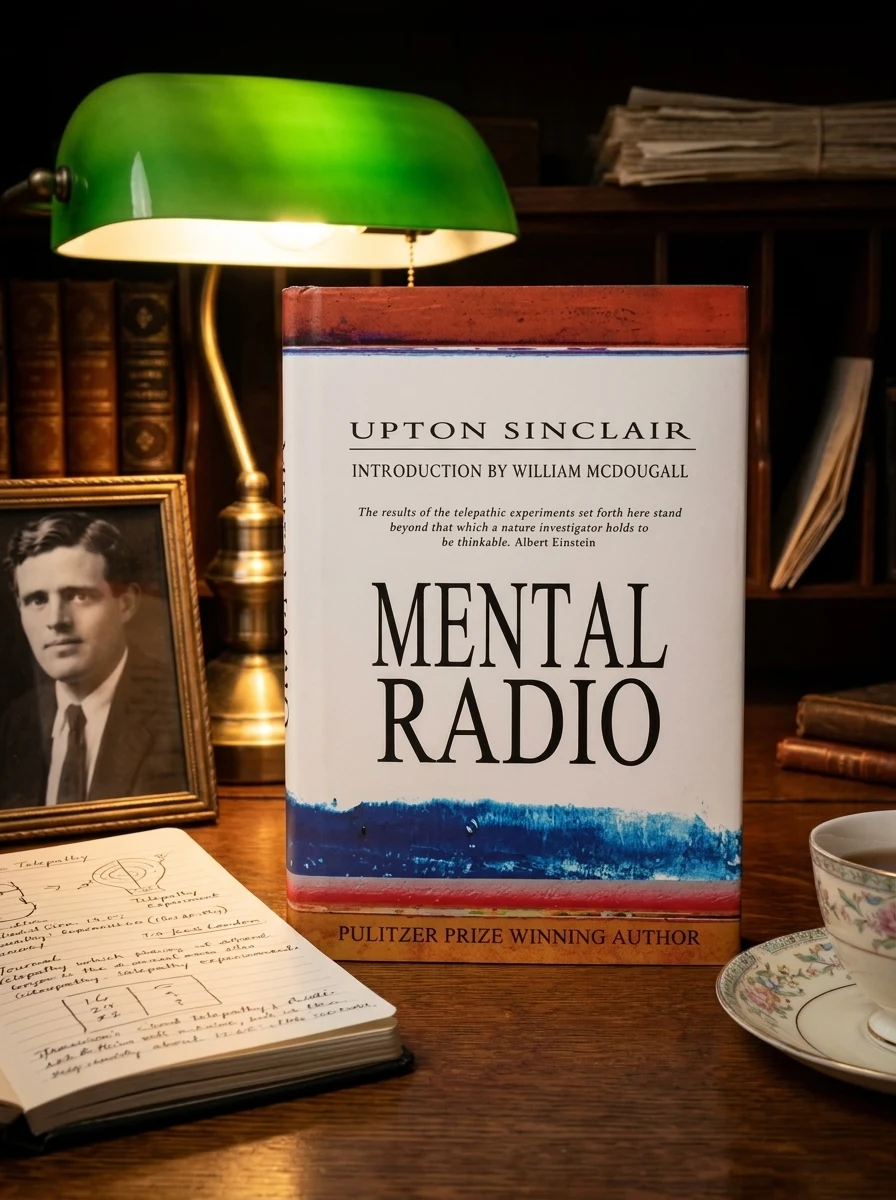
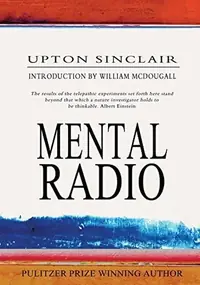
Mental Radio

Sinclair, Upton
Reader rating
4.5
(3 reviews) 135 sold
In stock

Stock reported in the catalog; fulfillment is confirmed with your request.

📚 ABOUT THE BOOK

A socialist icon tests his wife's telepathy through doodles, bridging logic and the occult.

Upton Sinclair, the famed muckraker, sets aside his political crusades to investigate the strange psychic phenomena exhibited by his wife, Craig. Triggered by her premonition of Jack London’s tragic end, the couple embarks on a rigorous series of experiments. Participants draw simple symbols while Craig, unaware of their content, attempts to replicate them. Sinclair meticulously records the results, noting a success rate far exceeding random chance. This work stands as a curious intersection of literary celebrity and parapsychology, offering a detailed account of early 20th-century attempts to quantify the unquantifiable mind.

Key themes
Telepathic Art Experimental Psychology Socialist Skepticism
Historical context

This work emerges from the early twentieth century's growing fascination with parapsychology and the scientific investigation of psychic phenomena. It reflects a period where literary figures sought to bridge the gap between rational inquiry and the esoteric, testing the boundaries of human consciousness through empirical methods.


Difficulty
●● Moderate
Fans will love it
Arthur Conan Doyle · William James · H.P. Lovecraft
🕯️ Occult Philosophy
🏛 Createspace Independent Publishing Platform 📖 138 pages 📔 Paperback 📐 Paperback ISBN: 9781463650018
Fun fact
Sinclair’s gamble pays off in this quirky, earnest exploration of the mind’s edges. The book excels in its transparent methodology and the fascinating contrast between Sinclair’s hard-nosed political persona and his openness to the occult. However, skeptics may find the statistical arguments weak by modern standards. It remains a vital artifact for understanding the intellectual climate of the 1920s and the human desire to bridge the gap between materialism and mysticism.
📚 This book appears in Esoterica Books

📝 Description: Mental Radio

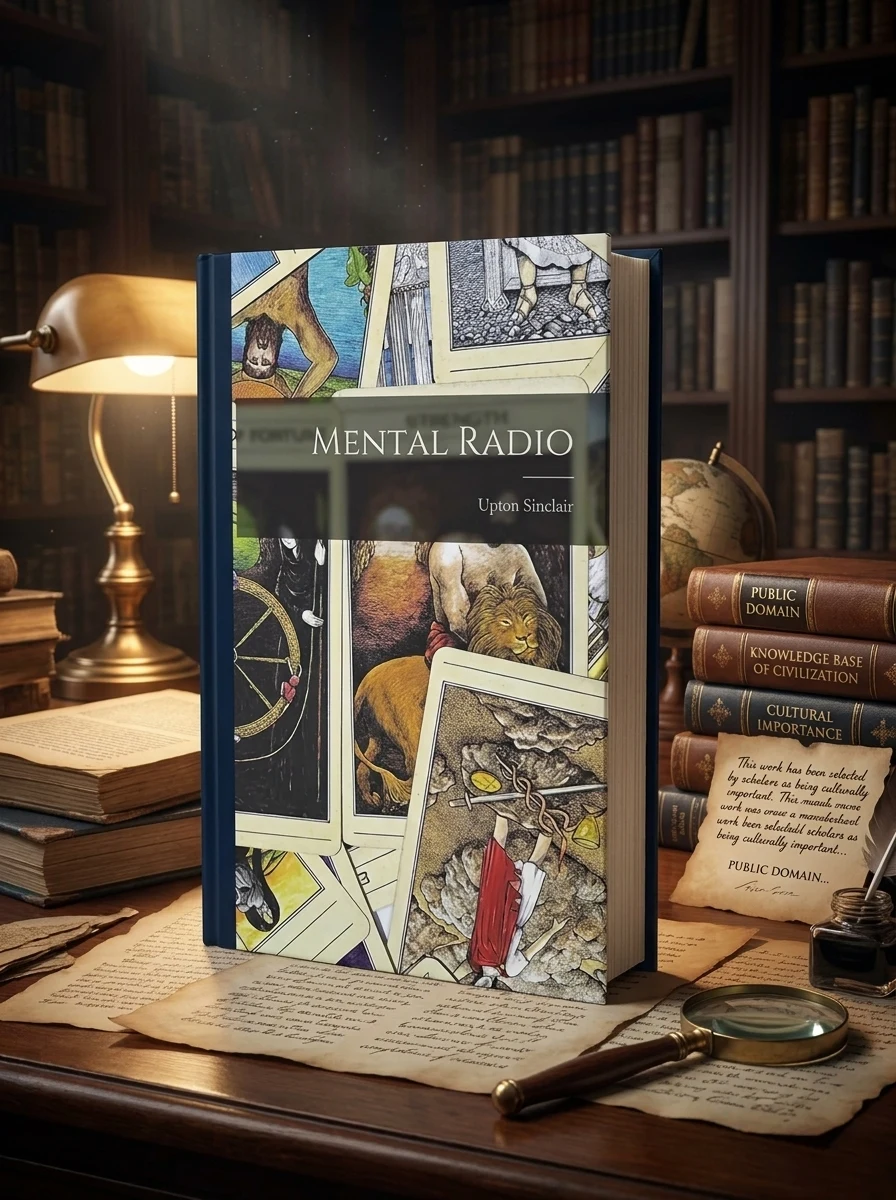
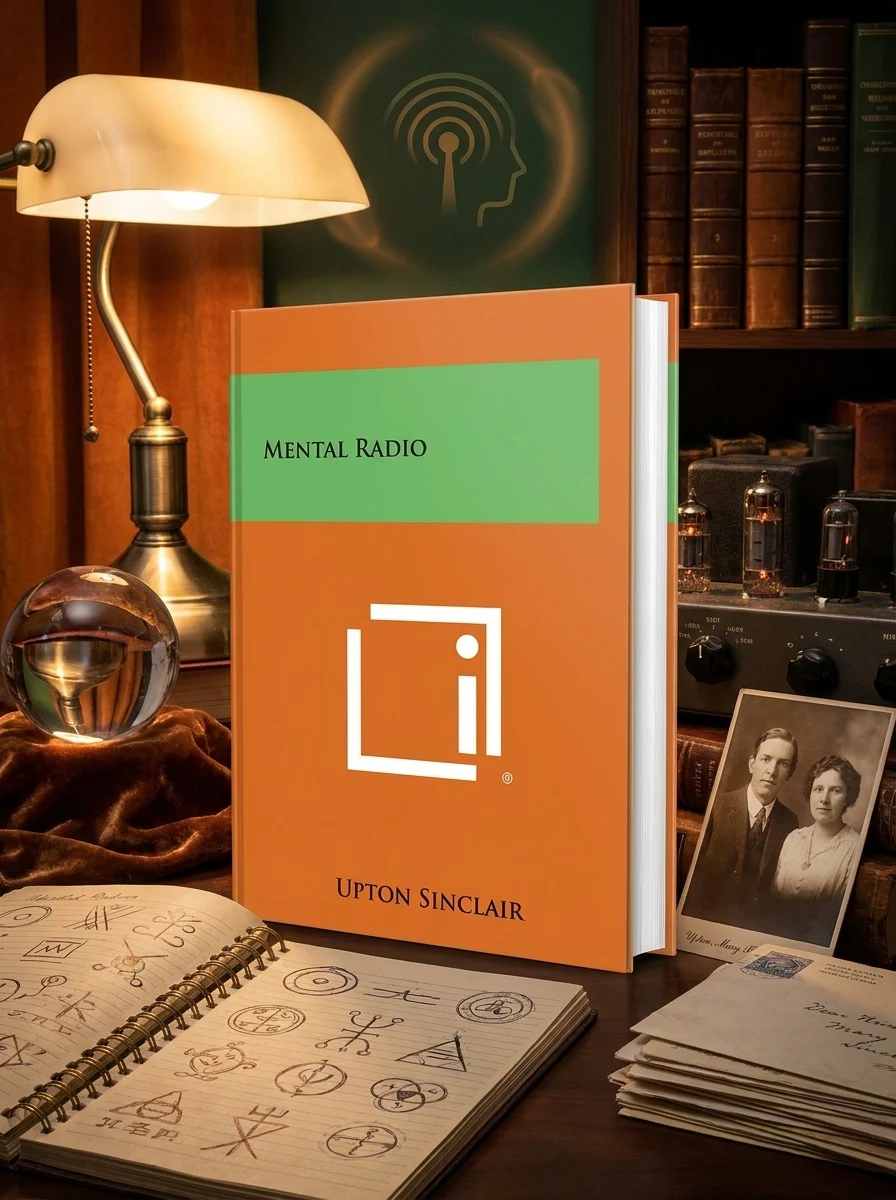
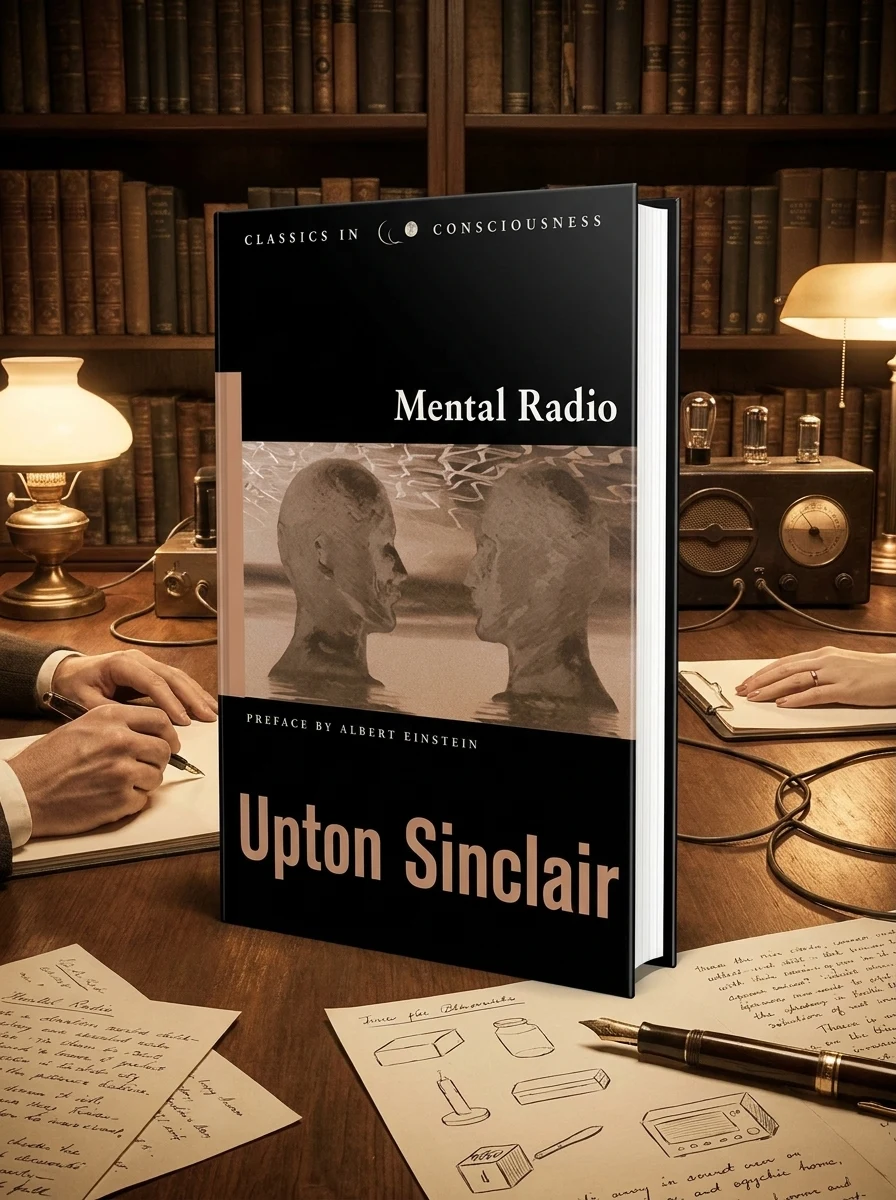
Upton Sinclair took a gamble publishing this book. A lifelong Socialist who ran for high office several times, a muckraking author who had exposed the abuses of capitalism, was dabbling with what was seen as the occult. The impetus for this was his dear wife, Mary Craig Sinclair, known as 'Craig, ' who had been aware all her life that she could sense things that had not yet happened, or which she had no rational access to. In the late 1920s, this came to light when Craig had an odd feeling that their friend Jack London was in mental turmoil, just prior to London's suicide. The Sinclairs started to investigate how deep this particular rabbit hole went... The core of this book is a series of doodles which Upton and others made outside Craig's presence, which she was able to duplicate, apparently telepathically or through clairvoyance. Sinclair claims that Craig had over a 75% success rate over 290 tests, including 25% matches, and 50% partial matches. This success rate is obviously a lot higher than probability, considering that the potential set of drawings is a lot larger than, say, a deck of cards. Sinclair's top reputation as a 'speaker of truth to power' was actually a compelling reason to take this book seriously. The response to Mental Radio was very positive, impressing academics in the field of psychology and other scientists, including Albert Einstein, who wrote the introduction to the German edition. William McDougal, Chair of the Psychology Department at Duke University, who wrote the introduction for this edition, conducted his own experiments with Craig. McDougal and J. B. Rhine later went on to found the Parapsychology Laboratory at Duke, which conducted the first academic investigations of ESP.--Text refers the hardcover edition

💎 Expert review

💎
Esoterica Books editorial team
Occult literature desk
While intellectually intriguing for its historical significance, this text may frustrate readers seeking narrative flair or definitive proof of psychic powers. It is not suited for those expecting dramatic supernatural adventures or easy answers regarding the afterlife. The repetitive nature of the experimental descriptions might weary casual readers who prefer plot-driven works. However, for enthusiasts of esoteric history and scientific method applied to the paranormal, it stands as a valuable, if dry, document of its time.
✓ EDITOR'S REVIEW

📖 Why choose it

📖

Why this book is worth reading

Readers fascinated by the intersection of literature, science, and the occult will find this book uniquely compelling. It offers a rare glimpse into how a major political figure approached psychic phenomena with rigorous skepticism rather than blind belief. Those interested in the history of parapsychology or the personal lives of famous authors will appreciate the detailed account of experimental methodology. It is ideal for anyone curious about early attempts to quantify telepathy and the human mind's mysterious capabilities, providing a historical context that remains relevant to modern discussions on consciousness.

⭐ Reader reviews

The starting rating comes from the team Esoterica Books —
⭐ Esoterica editorial review Editorial rating 4.4/5
★★★★
Readers fascinated by the intersection of famous literary figures and paranormal research, particularly those interested in early 20th-century spiritualism and the history of parapsychology.

Reader rating

4.5
Based on 3 reviews
5
2
4
1
3
0
2
0
1
0
E
Elena M. ✓ Verified purchase
October 23, 2025
Exceeded expectations

Arrived faster than expected and well packaged. Every rereading turns up something I missed. Not a light read, but far more accessible than I feared. Would buy from this store again.

R
Rufus V. ✓ Verified purchase
November 29, 2024

Arrived faster than expected and well packaged. It connects ideas I'd only seen treated separately elsewhere. Will be gifting a copy to a friend.

E
Esoterica Books editorial team

While intellectually intriguing for its historical significance, this text may frustrate readers seeking narrative flair or definitive proof of psychic powers. It is not suited for those expecting dramatic supernatural adventures or easy answers regarding the afterlife. The repetitive nature of the experimental descriptions might weary casual readers who prefer plot-driven works. However, for enthusiasts of esoteric history and scientific method applied to the paranormal, it stands as a valuable, if dry, document of its time.

❓ Frequently asked questions

It is non-fiction, presenting Sinclair’s personal account and data collection of experiments conducted with his wife and colleagues.
No, though Sinclair’s political background adds a unique layer of skepticism and rigor to his approach to paranormal phenomena.

📖 Who should read this

Readers fascinated by the intersection of famous literary figures and paranormal research, particularly those interested in early 20th-century spiritualism and the history of parapsychology.

🎯 Key themes and symbolism

Telepathic Art

Experimental Psychology

Socialist Skepticism

💬 Quotes from the book

“The impetus for this was his dear wife, Mary Craig Sinclair, known as 'Craig,' who had been aware all her life that she could sense things that had not yet happened.”

“This success rate is obviously a lot higher than probability, considering that the potential set of drawings is a lot larger than, say, a deck of cards.”

📜 Historical context

Published in the late 1920s, a peak era for spiritualism following the Great War, this book emerges from a time when prominent intellectuals sought scientific validation for spiritual experiences. Sinclair’s involvement lends credibility to a field often dismissed as superstition, reflecting the era’s broader cultural tension between emerging psychological theories and persistent mystical traditions.

📚 Glossary

Mental Radio
Muckraker
Clairvoyance

📔 Questions to reflect on

  1. How do you distinguish between intuition and rational analysis in your daily life?
  2. What historical figures do you find intriguing when they pursue unconventional interests?
  3. How might modern technology change our understanding of telepathy?

🏛 Books from this publisher Createspace Independent Publishing Platform

All books from this publisher →