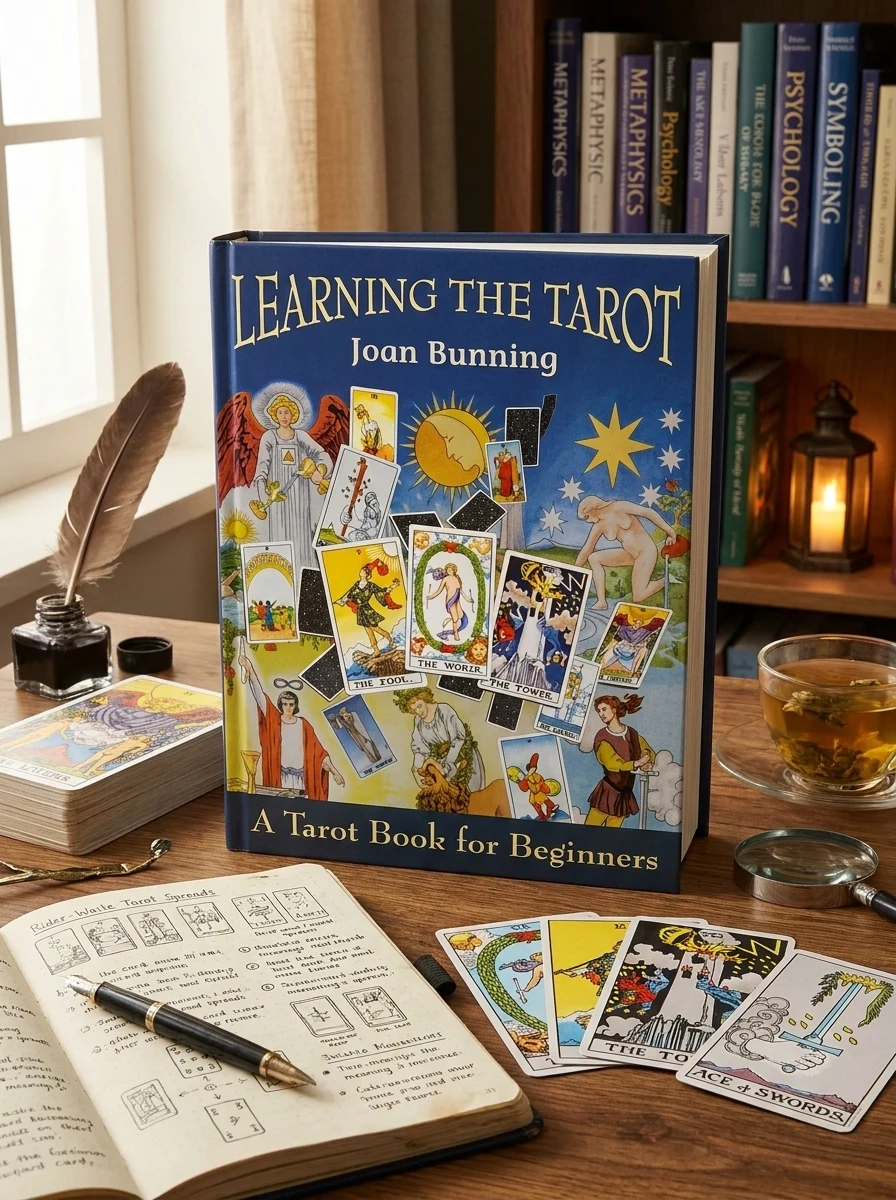
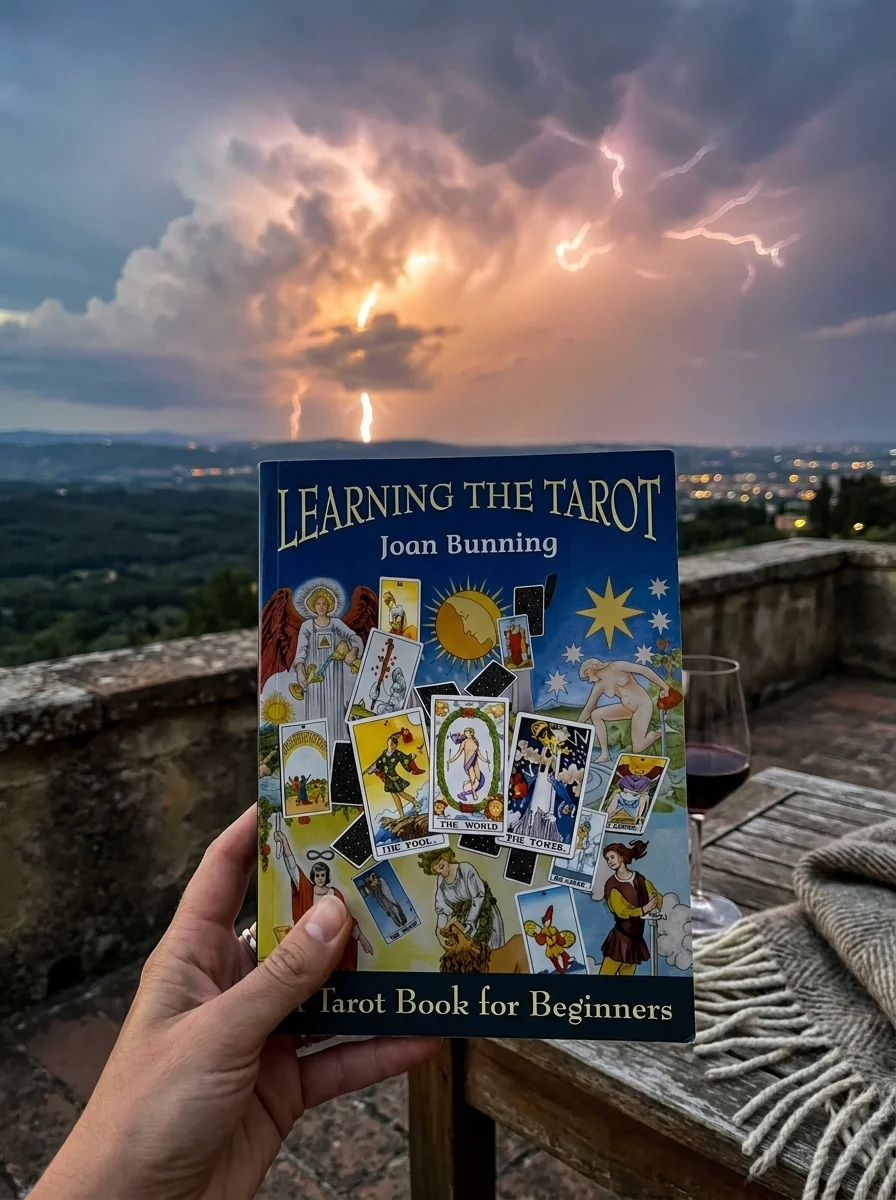
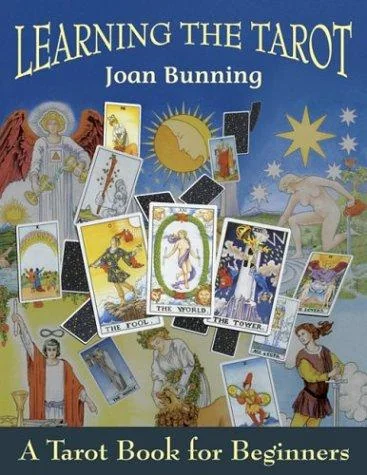
Learning the Tarot: A Tarot Book for Beginners
✍️ Bunning, JoanJoan Bunning's "Learning the Tarot" offers a comprehensive, step-by-step introduction to the art of divination. Structured as a 19-lesson course, it patiently guides beginners from foundational concepts to advanced interpretive techniques. This classic text empowers readers to uncover the profound meanings within the cards, understand their psychological resonance, and cultivate their intuitive abilities. It emphasizes practical application, showing how to connect individual cards into cohesive narratives, and includes a detailed reference section for immediate insight into each card's symbolism.


📝 Description: Learning the Tarot: A Tarot Book for Beginners
💎 Expert review
📖 Why choose it
Why this book is worth reading
This book is an ideal companion for the sincere beginner who feels overwhelmed by the vast, often cryptic literature surrounding Tarot. Joan Bunning’s structured, nineteen-lesson approach provides a safe and patient framework for those eager to unlock ancient wisdom without prior experience. It is particularly beneficial for readers seeking to understand the psychological resonance of the cards while cultivating their own intuitive abilities. By emphasizing practical application and narrative building, it empowers new seekers to move beyond isolated meanings and connect with the deeper symbolism of each card. The included reference section offers immediate insight, making it a reliable tool for daily practice and continuous learning.
⭐ Reader reviews
Reader rating
Joan Bunning’s guide is a sturdy, methodical introduction that prioritizes clarity over mystique. Its greatest strength lies in its pedagogical structure, which systematically builds interpretive skills through a defined course of study. However, seasoned practitioners or those seeking avant-garde, non-traditional approaches may find the content overly conventional and slow-paced. It does not suit readers who prefer fragmented, intuitive methods over step-by-step instruction or those looking for advanced ritualistic applications immediately. This is strictly for novices ready to commit to a disciplined study of traditional symbolism and psychological interpretation.
❓ Frequently asked questions
📖 Who should read this
If you're drawn to the mystique of Tarot but feel daunted by where to begin, this book is your perfect starting point. It's crafted for curious minds ready to engage deeply with divination, seeking a clear, confident guide to develop both their understanding and intuition.
🎯 Key themes and symbolism
Structured Learning Path
The book unfolds as a meticulously designed 19-lesson curriculum, starting with the absolute basics and progressively introducing more intricate concepts. This methodical approach ensures that even complete novices can build a solid foundation in Tarot interpretation without feeling overwhelmed by its complexities.
Deep Card Interpretation
Beyond surface-level definitions, this guide delves into the nuanced process of extracting personal meaning from the cards. It teaches readers how to analyze single cards, identify significant card pairings, and ultimately synthesize these elements into a coherent, compelling narrative for any given reading or spread.
Intuition & Psychology
Bunning explores how Tarot cards act as powerful prompts for psychological projection, revealing unconscious thoughts and feelings. The text focuses on fostering and enhancing the reader's innate intuition, encouraging a deeper, more personal connection with the cards that transcends rote memorization of meanings.
📜 Historical context
📚 Glossary
- Divination
- Waite-Smith deck
- Psychological Projection
📔 Questions to reflect on
- Reflect on a situation where you felt a strong intuitive pull. How might a Tarot card have symbolized or clarified that feeling for you?
- Choose a single Tarot card (even if you don't know its meaning) and free-associate for five minutes. What emotions, memories, or ideas does it evoke?
- Consider how the concept of 'storytelling' applies to your own life. How could a series of events be viewed as a narrative, much like a Tarot spread?


![The Uncommon Tarot: (78-Card Deck and Guidebook) [With Book(s)]](/img/the-uncommon-tarot-78-card-deck-and-guidebook-with-book-s-scene.webp)