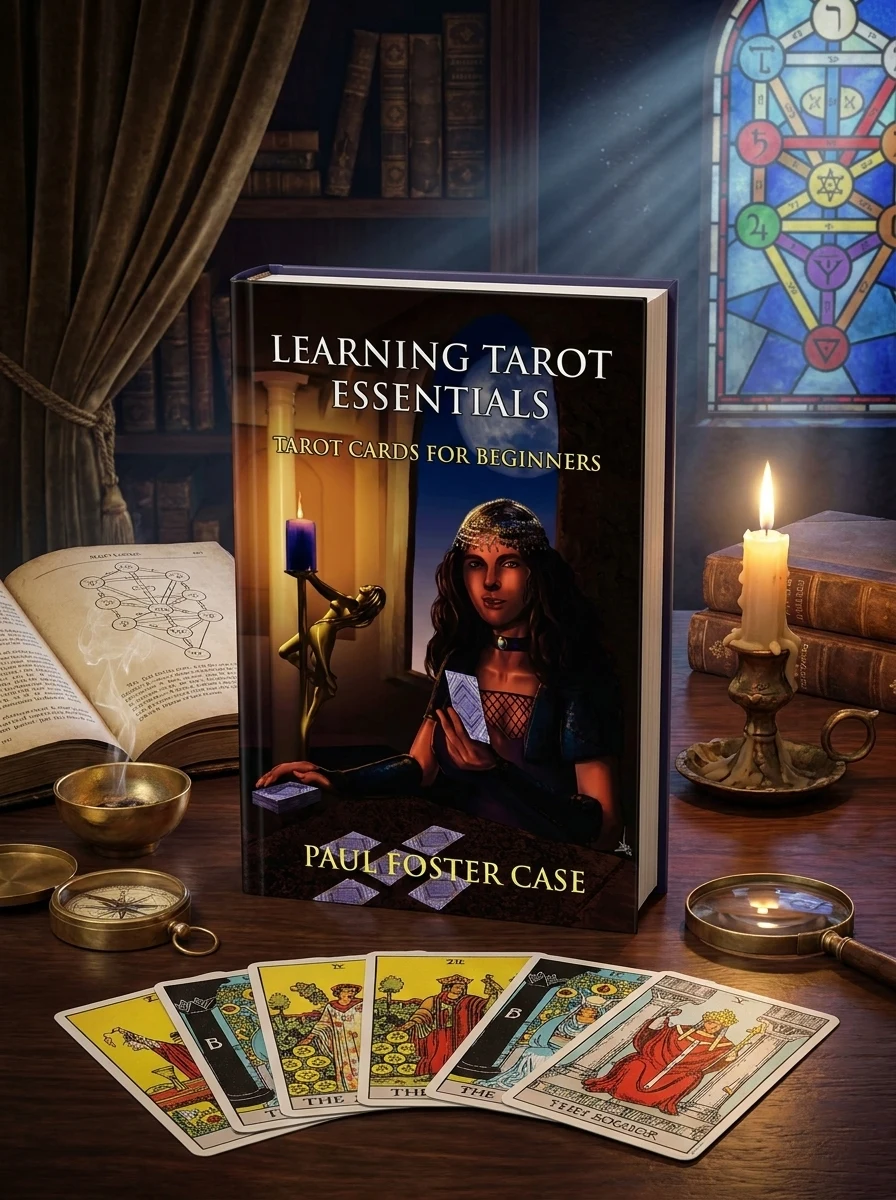
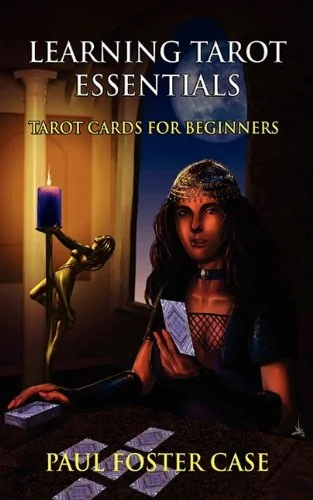
Learning Tarot Essentials: Tarot Cards for Beginners
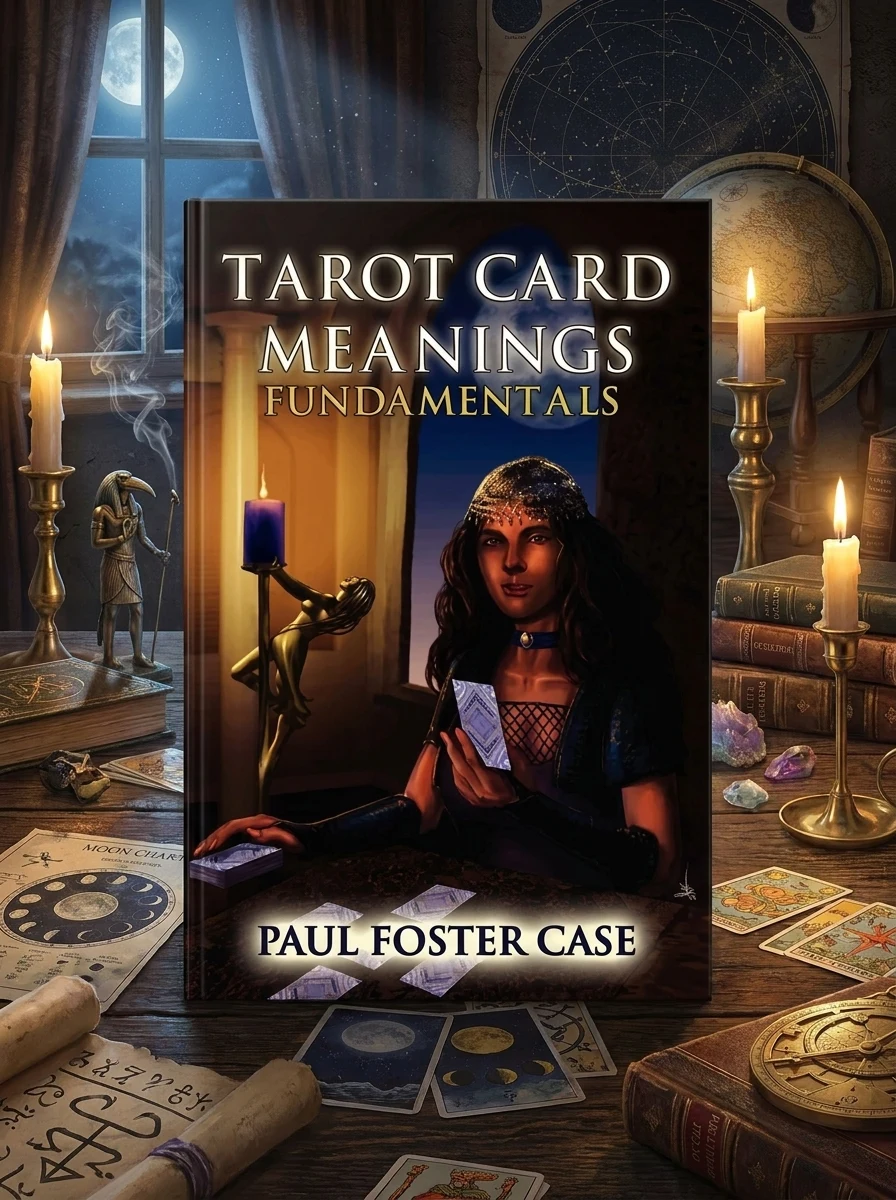
✍️ Case, Paul FosterPaul Foster Case's foundational guide offers an unparalleled entry point into the world of Tarot for new practitioners. This essential volume meticulously explores the rich symbolism and philosophical underpinnings of the Major Arcana. Drawing deeply from Qabalistic principles and the Hermetic traditions of the Golden Dawn, Case illuminates the spiritual journey depicted in these powerful cards. Rather than simple divinatory meanings, readers will discover a systematic framework for understanding the profound cosmic truths embedded within the Tarot's ancient imagery, making it an indispensable resource for serious students.


📝 Description: Learning Tarot Essentials: Tarot Cards for Beginners
💎 Expert review
📖 Why choose it
Why this book is worth reading
Serious students of the occult will find immense value in this foundational guide, which moves far beyond superficial card meanings to reveal the deep cosmic truths embedded within the Tarot's imagery. Paul Foster Case provides a systematic framework rooted in Qabalistic principles and Hermetic traditions, making it an indispensable resource for those eager to understand the spiritual journey depicted by the Major Arcana. Readers seeking a profound, philosophical entry point into esoteric wisdom will appreciate the meticulous exploration of symbolism that transforms simple divination into a tool for spiritual development and intellectual rigor.
⭐ Reader reviews
Reader rating
Case’s volume is a rigorous academic and spiritual text that demands patience from its audience. While it offers unparalleled insight into the Qabalistic underpinnings of the Major Arcana, it is explicitly not suited for casual hobbyists or those seeking simple fortune-telling advice. The dense philosophical content and reliance on specific Hermetic frameworks may alienate readers looking for intuitive or emotional connections to the cards. It is best reserved for dedicated practitioners ready to engage with complex symbolic systems rather than novices expecting a gentle, introductory overview of basic spreads or meanings.
❓ Frequently asked questions
📖 Who should read this
If you're a new student eager to delve beyond simple card meanings, seeking a structured, academically rigorous approach to Tarot, this book is for you. It's perfect for those who want to understand the *why* behind the symbolism, rooted in deep esoteric traditions.
🎯 Key themes and symbolism
Deep Tarot Symbolism
Case meticulously dissects the imagery and archetypal significance of each Major Arcana card. He goes beyond superficial interpretations, guiding the reader to understand the layers of meaning, numerological connections, and spiritual lessons inherent in every detail, forming a comprehensive interpretive framework.
Esoteric Foundations Explored
This work firmly roots Tarot study in established Western esoteric traditions. By integrating concepts from the Qabalah and the teachings of the Golden Dawn, Case provides a robust philosophical and mystical context, revealing how Tarot serves as a pictorial representation of profound universal laws and spiritual paths.
Structured Learning Path
Designed with the beginner in mind, the book offers a clear, step-by-step approach to mastering the Tarot. It breaks down complex esoteric ideas into digestible components, ensuring that even those new to mystical studies can grasp the profound insights and apply them to their personal spiritual development.
📜 Historical context
📚 Glossary
- Qabalah
- Golden Dawn
- Major Arcana
📔 Questions to reflect on
- Reflect on a Major Arcana card you feel particularly drawn to. How do Case's Qabalistic and Golden Dawn insights deepen your understanding of its core message for your own life path?
- Consider how the concept of the "Fool's Journey" as depicted by the Major Arcana resonates with your personal spiritual development or significant life transitions you've experienced.
- Choose a symbol from any Major Arcana card and research its meaning independently. How does this research complement or challenge Case's interpretation, and what new insights does it offer?