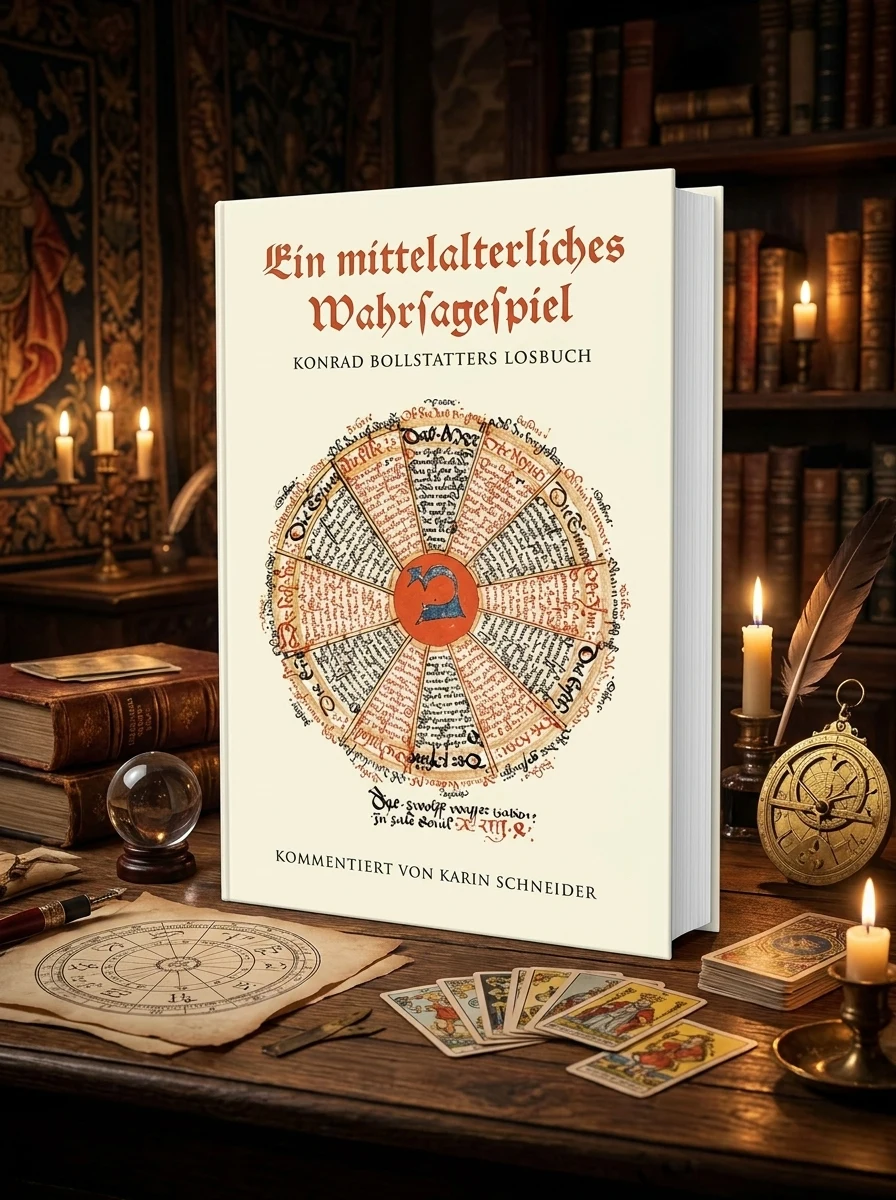
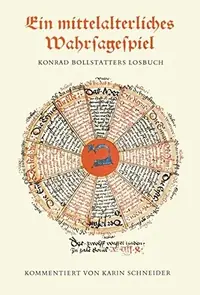
Ein Mittelalterliches Wahrsagespiel: Konrad Bollstatters Losbuch in Cgm 312 Der Bayerischen Staatsbibliothek (Aufl) Schneider, Karin
This edition can be ordered. No arrival date is confirmed.
Unveil your destiny with a delightful medieval game of chance and wisdom.
Dive into the fascinating world of 15th-century divination with this exquisite reproduction of Konrad Bollstatter's 'Losbuch.' Authored by Karin Schneider, this volume meticulously presents a richly illustrated medieval manuscript (Cgm 312) from the Bavarian State Library. 'Losbücher' were popular fortune-telling manuals, offering glimpses into the future through oracle sayings that ranged from profound and earnest to delightfully whimsical and humorous. This edition allows modern readers to experience a charming historical practice, bridging ancient curiosity with artistic preservation, and offering insights into medieval perceptions of fate and foresight.
This work explores the tradition of 'Losbücher,' medieval fortune-telling manuals that utilized oracle sayings to interpret fate and foresight in 15th-century Europe. It bridges historical curiosity with artistic preservation by presenting a richly illustrated manuscript from the Bavarian State Library.


📝 Description: Ein Mittelalterliches Wahrsagespiel: Konrad Bollstatters Losbuch in Cgm 312 Der Bayerischen Staatsbibliothek (Aufl) Schneider, Karin
💎 Expert review
📖 Why choose it
Why this book is worth reading
Modern readers seeking a tangible connection to medieval spiritual practices will find immense value in this exquisite reproduction. It offers more than just historical data; it provides an immersive experience into the whimsical and profound oracle sayings that once guided daily life. Whether you are drawn to the artistic preservation of Konrad Bollstatter’s manuscript or interested in how past societies perceived destiny, this volume serves as a delightful bridge between ancient curiosity and contemporary understanding. It is perfect for those who appreciate the intersection of chance, wisdom, and historical narrative, allowing them to engage with a charming practice that remains relevant for its insight into the human desire to foresee the future.
⭐ Reader reviews
Reader rating
This edition stands out for its meticulous presentation of Cgm 312, appealing strongly to scholars and collectors of esoteric history. The balance of profound oracle sayings and humorous content makes it a unique artifact of 15th-century culture. However, it may not suit readers looking for practical, active divination techniques or modern psychological interpretations of fate. Those expecting a contemporary guide to tarot or astrology might find the historical focus too academic or detached from immediate spiritual application. It is best approached as a historical and artistic document rather than a functional tool for fortune-telling.
❓ Frequently asked questions
📖 Who should read this
This book is essential for anyone fascinated by medieval history, manuscript studies, or the evolution of divination practices. If you appreciate historical artifacts, cultural curiosities, and the blend of serious inquiry with playful insight, you'll find a treasure within its pages.
🎯 Key themes and symbolism
Medieval Divination Practices
Explore how people in the Middle Ages sought answers about their future through 'Losbücher.' This work reveals the methods and cultural significance of these unique divination games, illustrating how they served both as serious tools for introspection and lighthearted entertainment, reflecting a complex societal relationship with destiny and the unknown.
Artistic Manuscript Heritage
Experience the visual splendor of a mid-15th century illuminated manuscript. This reproduction highlights the intricate artistry and craft involved in creating these historical texts, preserving not only the divinatory content but also the rich aesthetic traditions of medieval bookmaking, offering a window into a bygone era's visual culture.
Human Curiosity & Fate
Delve into the enduring human impulse to understand and predict the future. The 'Losbuch' exemplifies this universal desire, presenting a blend of earnest seeking and playful speculation. It invites reflection on how our ancestors grappled with uncertainty and sought meaning through structured chance, a theme that resonates even in contemporary times.
💬 Quotes from the book
“When the moon wanes, ponder deeply, for obscured truths shall soon reveal themselves.”
“Should your path cross a grumpy badger, offer him a honeyed treat, lest your journey be delayed by a grumble.”
📜 Historical context
📚 Glossary
- Losbuch
- Cgm 312
- Oracle Sayings
📔 Questions to reflect on
- How might the blend of serious and humorous predictions in a 'Losbuch' influence a seeker's interpretation of their future or present circumstances?
- If you were creating a divination system today, what elements would you include to reflect contemporary concerns, humor, and spiritual insights?
- Reflect on the persistent human desire to know the future. What does this impulse reveal about our nature, fears, and hopes across different historical periods?
You might also like
See more →

 91
91
 91
91