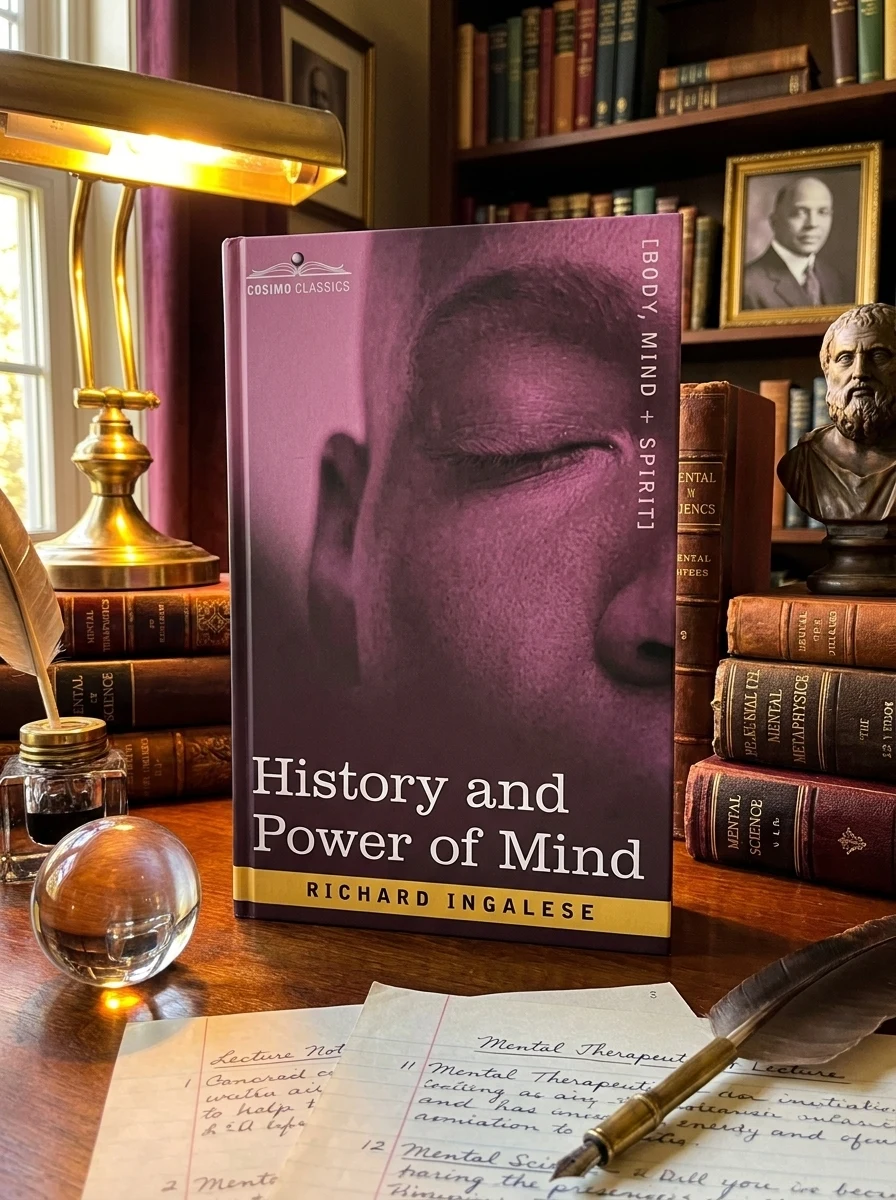
History and Power of Mind
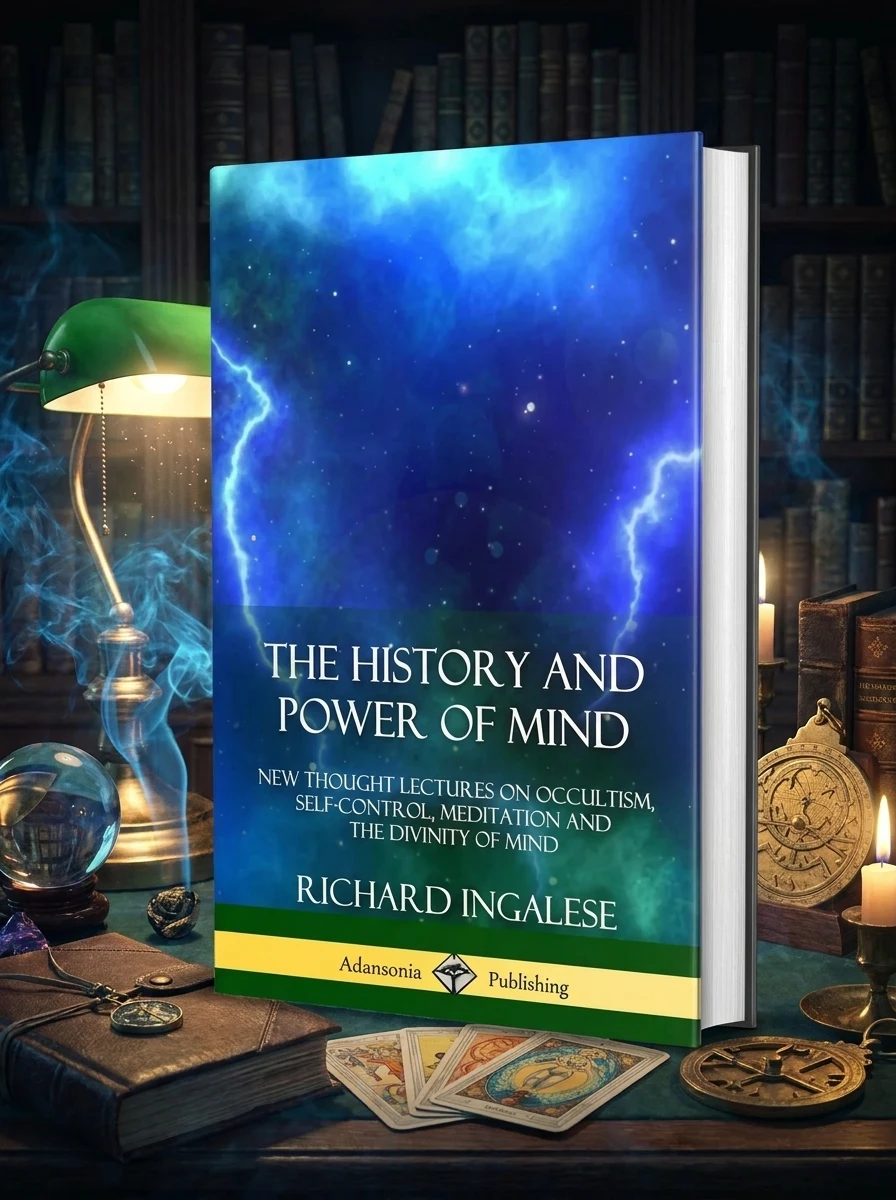
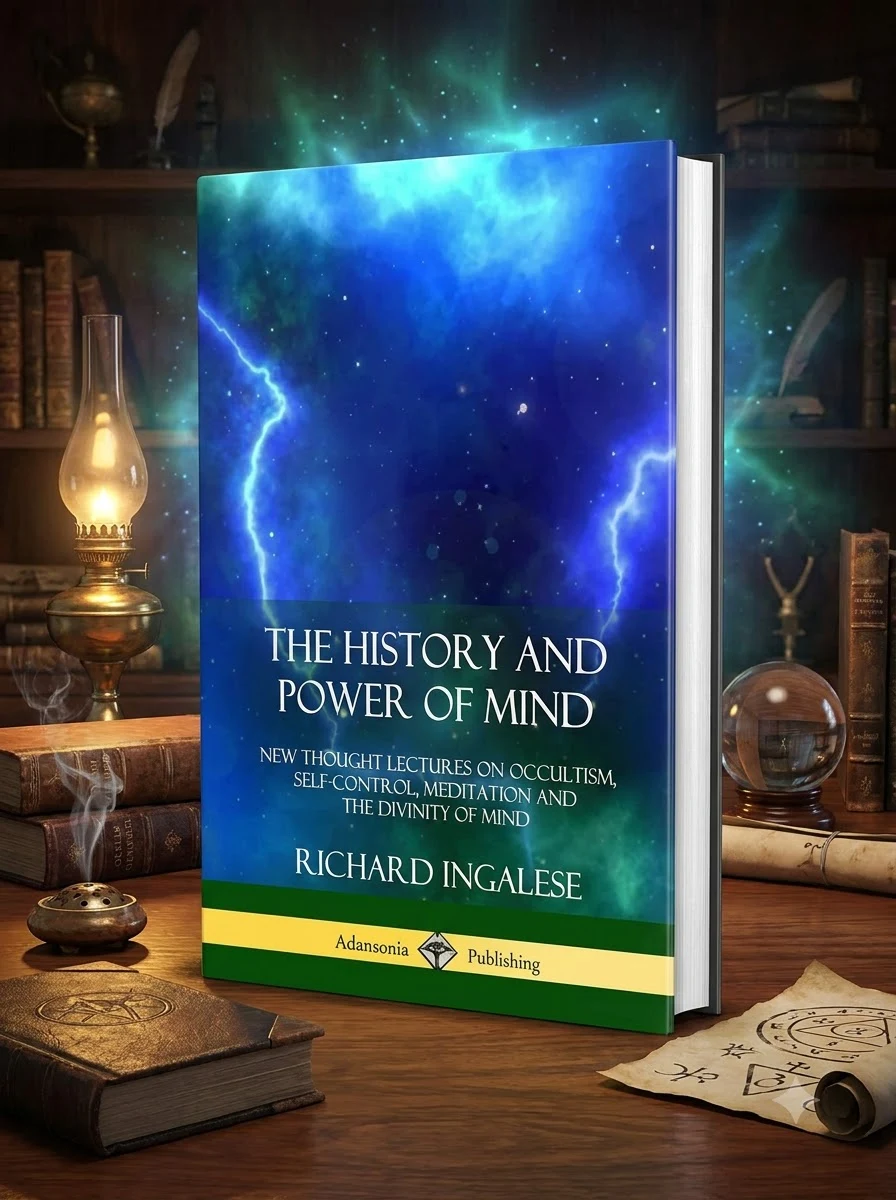
✍️ Ingalese, RichardA 1902 collection of Richard Ingalese's lectures on New Thought and mental therapeutics.
This volume compiles the academic and practical writings of Richard Ingalese, a prominent figure in the Science of Mind tradition. The text bridges historical analysis with applied philosophy, focusing on how mental concepts have evolved to influence human experience. Ingalese uses his extensive lecture material to demonstrate the mechanics of mental therapeutics. The book does not offer new theories but rather documents the established teachings of the early twentieth century. It provides a clear view of how New Thought proponents viewed the relationship between mind and body. The collection is valuable for historians of religion and those studying the genealogy of self-help movements. It avoids modern psychological jargon, sticking to the terminology of its time. The work stands as a record of Ingalese's specific contributions to the field. Readers gain insight into the pedagogical methods used to teach mental power during that period.
Richard Ingalese wrote this material in the early twentieth century, specifically around 1902. The book reflects the American New Thought movement and its focus on mental healing. It sits within the broader context of early modern occult and mystical literature that influenced later self-help genres.


📝 Description: History and Power of Mind
💎 Expert review
📖 Why choose it
Why this book is worth reading
Readers seeking to understand the intellectual roots of modern mental healing will find profound value in Ingalese’s work. It is ideal for those who feel disconnected from traditional religious structures yet desire a spiritual framework that empowers individual agency. By viewing the mind as a dynamic force capable of shaping reality, practitioners of alternative wellness can appreciate the historical continuity of their practices. Those interested in the evolution of esoteric thought will gain insight into how early thinkers articulated the connection between inner consciousness and outer well-being, offering a practical guide to spiritual growth through the lens of historical New Thought principles.
⭐ Reader reviews
Reader rating
While historically significant, this collection may frustrate readers expecting rigorous academic analysis or scientific proof. It is not suited for skeptics who demand empirical evidence over philosophical assertion, nor for those preferring dense, complex metaphysical systems. The text relies heavily on inspirational rhetoric and lecture-style exposition, which can feel repetitive to modern audiences accustomed to concise self-help advice. However, for enthusiasts of esoteric history, it remains an essential primary source that captures the optimistic fervor of its era without attempting to disguise its subjective spiritual premises as objective fact.
❓ Frequently asked questions
📖 Who should read this
If you're drawn to the historical roots of self-improvement, spiritual philosophy, or the early days of New Thought, this volume is essential. Seekers interested in the mind's untapped potential and its role in personal and spiritual development will find deep resonance within its pages.
🎯 Key themes and symbolism
The Mind's Potency
Ingalese meticulously details the inherent capabilities of human consciousness, presenting it as a powerful, active force rather than a passive observer. He guides the reader to understand how mental processes directly influence personal reality and potential, emphasizing self-mastery through conscious thought and intention.
New Thought Philosophy
This collection serves as an essential primary text for grasping the early tenets of New Thought. It unpacks the movement's core beliefs regarding the divine presence within, the power of positive affirmation, and the spiritual laws governing the universe, encouraging a practical application of these principles for holistic living.
Spiritual Healing Principles
Ingalese explores the concept of mental therapeutics, illustrating how the mind can be harnessed for physical and spiritual restoration. He posits that understanding and aligning one's thoughts with universal spiritual truths can lead to profound healing and well-being, moving beyond conventional medical approaches.
📜 Historical context
📚 Glossary
- New Thought
- Mental Therapeutics
- Science of Mind
📔 Questions to reflect on
- How do you perceive your own mind's power, and in what ways could a greater understanding of it transform your daily life?
- Reflect on moments when your thoughts directly influenced an outcome or your emotional state. What does this reveal about your inner capabilities?
- Ingalese discusses mental therapeutics. Consider how spiritual or mental practices could contribute to your personal well-being, beyond conventional methods.
📖 Read on the blog
✍️ More books by this author Ingalese, Richard
All books by this author →


🏛 Books from this publisher Cosimo Classics
All books from this publisher →





You might also like
See more →




Have a question about this item?
Ask about the edition, condition, delivery or anything else — we reply by email or phone, usually within a day.
