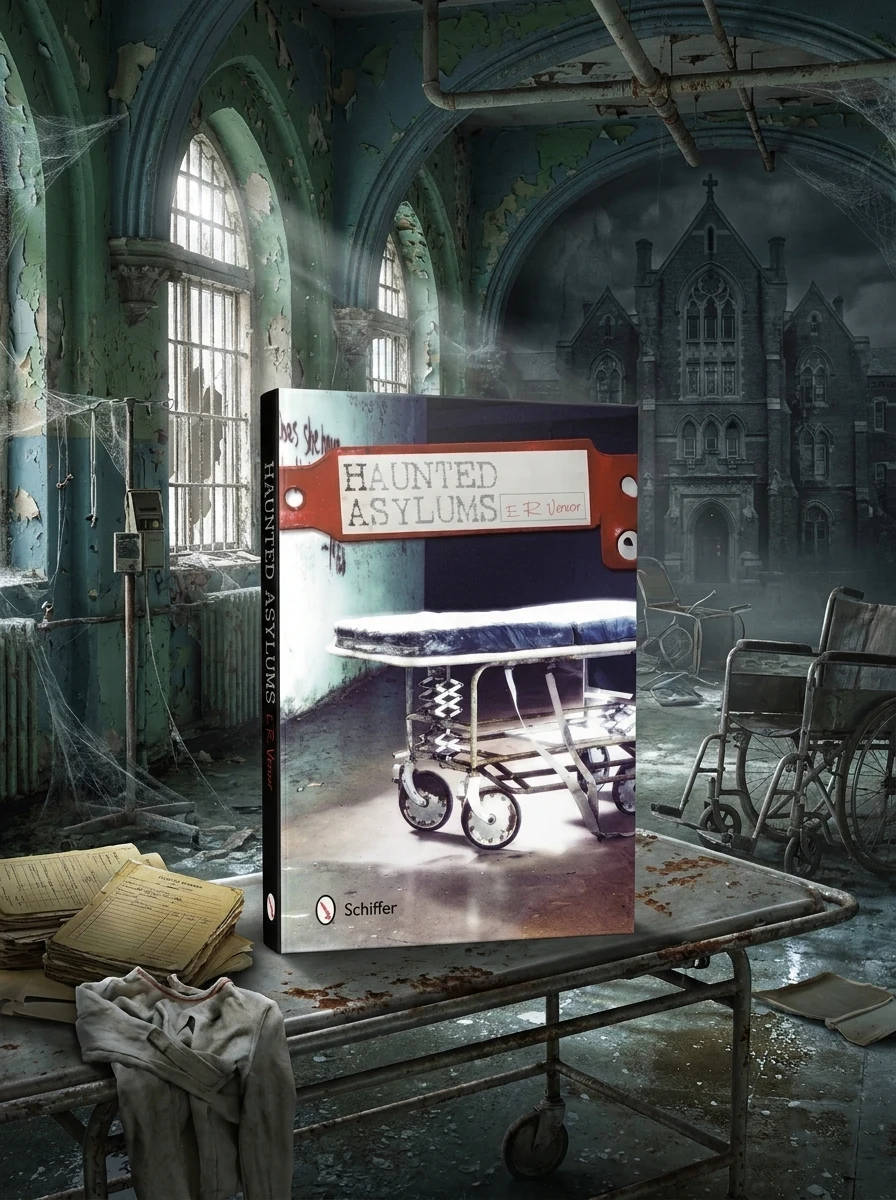
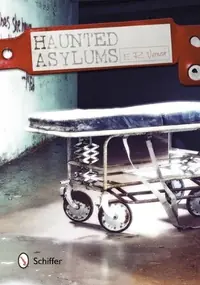
Haunted Asylums
Vernor, E RThis edition can be ordered. No arrival date is confirmed.
Unearth the spectral echoes within forgotten walls where healing turned to horror.
Step past the decaying gates of institutions once meant for healing, now shrouded in unsettling legends. This compelling work delves into the dark history of asylums, exploring how these facilities, intended to aid the mentally infirm, frequently exacerbated their suffering. From the infamous story of Mary Mallon, known as "Typhoid Mary," within Riverside's confines, to the chilling real-world inspirations behind cinematic horror, Vernor guides readers through the architectural grandeur and tragic legacies of places like Danvers State Hospital and Oregon State Hospital. Discover how their past continues to haunt their present, even as many stand abandoned or repurposed.
This work sits at the intersection of local history and paranormal folklore, exploring the transition of mental health institutions from healing centers to sites of alleged supernatural activity.


📝 Description: Haunted Asylums
💎 Expert review
📖 Why choose it
Why this book is worth reading
Readers drawn to the eerie allure of abandoned architecture and the tragic intersections of medical history will find this book deeply engaging. It offers a compelling narrative that bridges the gap between historical fact and spectral legend, inviting enthusiasts to explore the haunting legacies of places like Danvers State Hospital. Those fascinated by the real-world inspirations behind cinematic horror or the dark side of early psychiatric care will appreciate Vernor’s guide through these decaying gates. It serves as both a historical record and a spooky travelogue for those who believe the walls still hold the echoes of past suffering.
⭐ Reader reviews
Reader rating
This book provides a fascinating, albeit unsettling, look into the architectural grandeur and tragic legacies of forgotten asylums. While it successfully weaves together historical facts with spectral rumors, it may not suit readers seeking rigorous academic psychiatric analysis or those uncomfortable with descriptions of institutional neglect. It is best for casual readers interested in ghost lore rather than hard historical scholarship. The tone is accessible but leans heavily into the macabre, which might alienate some who prefer strictly factual medical histories. However, for fans of haunted locations and the darker chapters of mental health evolution, it offers a chillingly effective exploration of places where healing turned to horror.
❓ Frequently asked questions
📖 Who should read this
If you are drawn to the intersection of dark history, architectural gravitas, and the inexplicable, this book is for you. Readers fascinated by the human psyche's fragility and the echoes of past suffering in reputedly haunted locations will find it compelling.
🎯 Key themes and symbolism
Historical Injustice
The book meticulously uncovers the systemic failures and harsh realities faced by patients in early mental health institutions. It highlights how these places, despite noble intentions, often became sites of profound neglect and suffering, contributing to the very afflictions they aimed to cure. Through individual narratives and broader historical context, Vernor exposes the ethical dilemmas and societal attitudes that shaped their grim legacy.
Architectural Decay & Transformation
Vernor explores the physical evolution of these imposing structures, from their original construction as symbols of societal care to their current states of disrepair or radical repurposing. The book examines how the foreboding architecture itself, as seen in places like Danvers, often mirrored the internal despair, and how these buildings continue to hold a potent, often eerie, presence long after their original functions have ceased.
Lingering Paranormal Activity
Beyond the tangible history, this volume ventures into the realm of the unexplained, chronicling reports of spectral occurrences and persistent hauntings within these former asylums. It investigates the belief that the intense emotional suffering and trauma experienced by past residents have imprinted themselves upon the very fabric of these locations, leading to their enduring reputation as places of profound paranormal significance.
💬 Quotes from the book
“The cold stone walls of Danvers still echo with the unspoken torments of those confined within, a chilling testament to forgotten human suffering.”
“Beyond the crumbling facades, certain energy signatures persist, suggesting that not all residents found their final rest, their lingering presence a spectral signature upon the land.”
📜 Historical context
📚 Glossary
- Asylum
- Sanitarium
- Typhoid Mary
📔 Questions to reflect on
- Reflect on the ethical responsibilities of society towards those deemed 'mentally ill' throughout history. How have these responsibilities evolved, or remained tragically similar?
- Consider the power of place: How do the physical structures and landscapes of former asylums contribute to their reputation as haunted, even beyond explicit paranormal claims?
- If you could speak to one person confined within these historical asylums, what question would you ask them, and what do you hope to understand about their experience?
✍️ More books by this author Vernor, E R
All books by this author →
🏛 Books from this publisher Schiffer Publishing
All books from this publisher →
 89
89



You might also like
See more →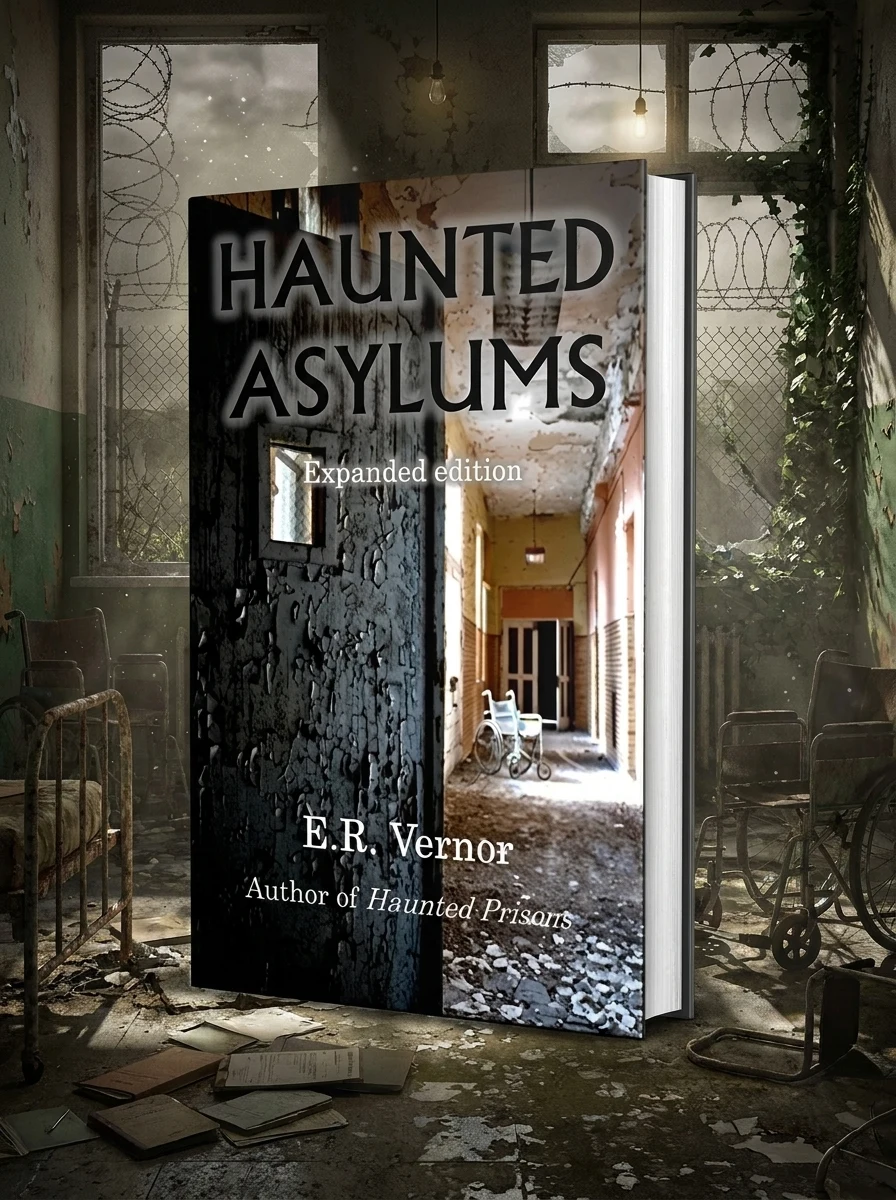


 91
91