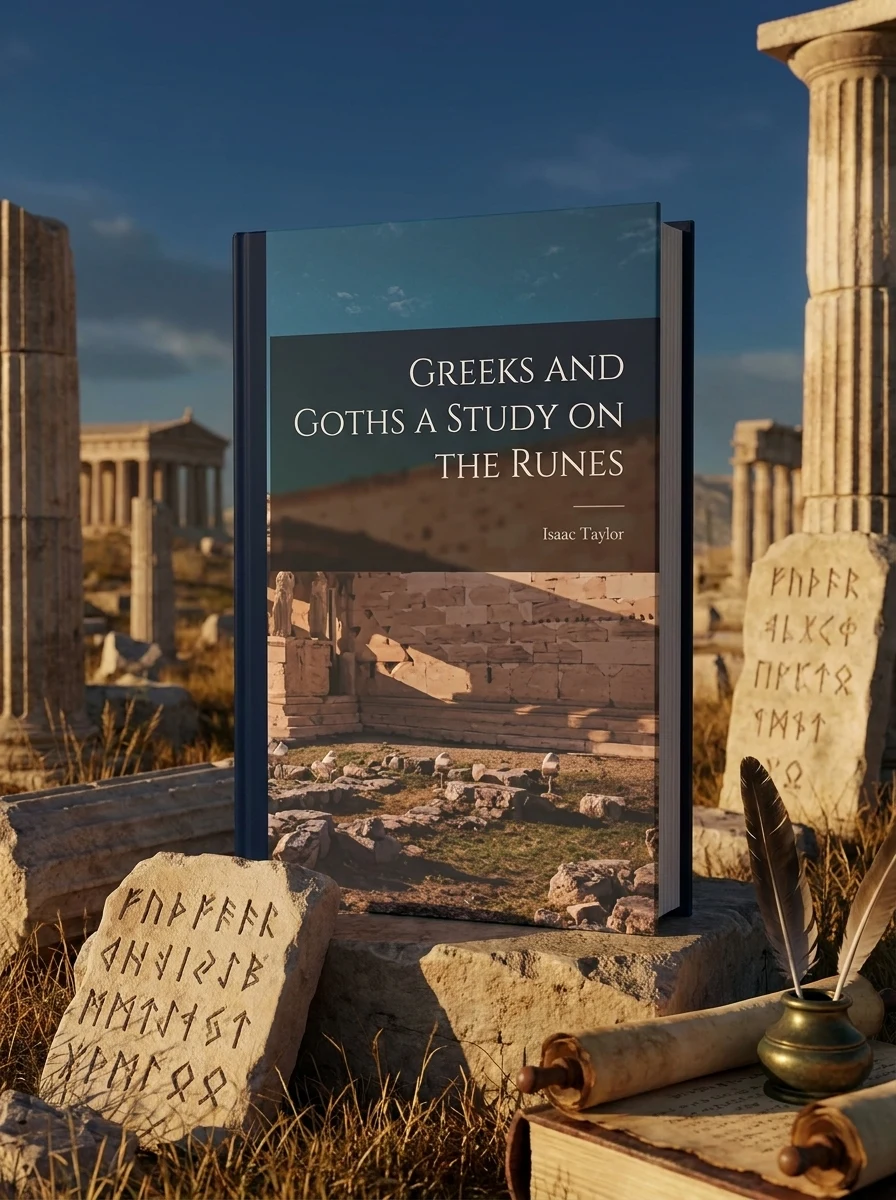
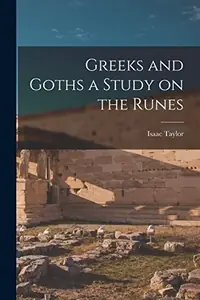
Greeks and Goths a Study on the Runes
Taylor, IsaacStock reported in the catalog; fulfillment is confirmed with your request.
Unearth the ancient secrets binding Greek wisdom with Gothic runic power.
Isaac Taylor's "Greeks and Goths" ventures into the intriguing yet contentious theory that the enigmatic runic alphabet, long associated with Germanic peoples, harbors roots stretching back to classical Hellenic scripts. This scholarly work meticulously examines linguistic parallels and historical trajectories, proposing a daring lineage for the runes that deviates from more conventional theories of Latin or North Italic origins. It's a deep dive into ancient language, cultural diffusion, and the symbolic power embedded within written forms, offering a provocative intellectual journey for those fascinated by the deep history of communication and its mystical underpinnings.
This work sits at the intersection of classical philology and esoteric history, challenging conventional narratives by linking Germanic runes to Hellenic scripts. It reflects a scholarly tradition that seeks mystical and linguistic continuity between ancient Greek wisdom and Gothic traditions.


📝 Description: Greeks and Goths a Study on the Runes
💎 Expert review
📖 Why choose it
Why this book is worth reading
Readers fascinated by the deep history of communication and its mystical underpinnings will find this book a provocative intellectual journey. Isaac Taylor meticulously examines linguistic parallels to propose a daring lineage for runes, deviating from conventional Latin or North Italic origins. This scholarly work is ideal for those who enjoy uncovering ancient secrets binding Greek wisdom with Gothic runic power. It offers a unique perspective on cultural diffusion and the symbolic power embedded within written forms, appealing to anyone eager to explore the contentious yet intriguing theory that connects classical Hellenic scripts to Germanic alphabets.
⭐ Reader reviews
Reader rating
Taylor’s 'Greeks and Goths' is a dense scholarly exploration that may not suit readers seeking light, accessible esoteric guides or those strictly adhering to mainstream historical linguistics. The text ventures into contentious theories, requiring patience for its meticulous examination of linguistic parallels. While it offers a fascinating deep dive for enthusiasts of ancient language and symbolic power, it lacks the practical application found in other runic texts. It is best appreciated by those willing to engage with provocative intellectual arguments about cultural diffusion rather than those looking for straightforward historical facts or simple divinatory instructions.
❓ Frequently asked questions
📖 Who should read this
If you are captivated by linguistic mysteries, the hidden histories of ancient scripts, and the esoteric undercurrents of cultural development, this book invites you to question conventional wisdom. Prepare for a scholarly yet speculative journey into the origins of runic power.
🎯 Key themes and symbolism
Runic Origins Explored
This theme delves into the speculative yet scholarly arguments presented by Taylor regarding the etymological and historical connections between ancient Greek alphabets and the development of runic script, challenging established views on their genesis.
Cultural Intermingling
The book meticulously traces potential pathways of cultural and linguistic exchange between classical Greek civilization and the Gothic tribes, positing a fascinating narrative of intellectual diffusion across ancient European societies.
Esoteric Linguistics
Beyond mere etymology, Taylor explores the symbolic and mystical significance that ancient scripts, particularly runes, held for their users, touching upon the spiritual dimensions inherent in language and writing systems.
💬 Quotes from the book
“The angular majesty of the Futhark, though seemingly born of northern forests, whispers of Mediterranean echoes in its very phonetics and structural grace.”
“To unravel the rune is not merely to decode a glyph, but to peer into the very soul of a people, their migrations, and their sacred understanding of the written word.”
📜 Historical context
📚 Glossary
- Runes
- Philology
- Goths
📔 Questions to reflect on
- How might recognizing ancient Greek influences in runic script alter our understanding of Germanic cultural development and its perceived isolation?
- Consider the power dynamic in associating a 'barbarian' script with a 'civilized' ancestor. What does this reveal about 19th-century scholarly biases?
- Beyond linguistic lineage, what spiritual or esoteric connections might exist between seemingly disparate ancient writing systems?
✍️ More books by this author Taylor, Isaac
All books by this author →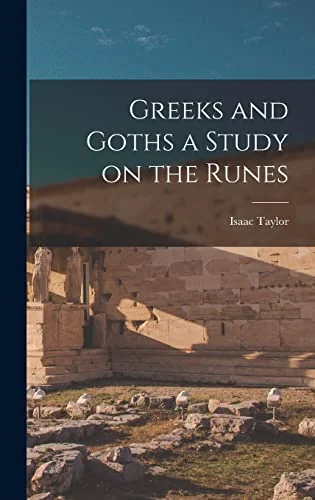
🏛 Books from this publisher Legare Street Press
All books from this publisher →
 83
83
 87
87
You might also like
See more →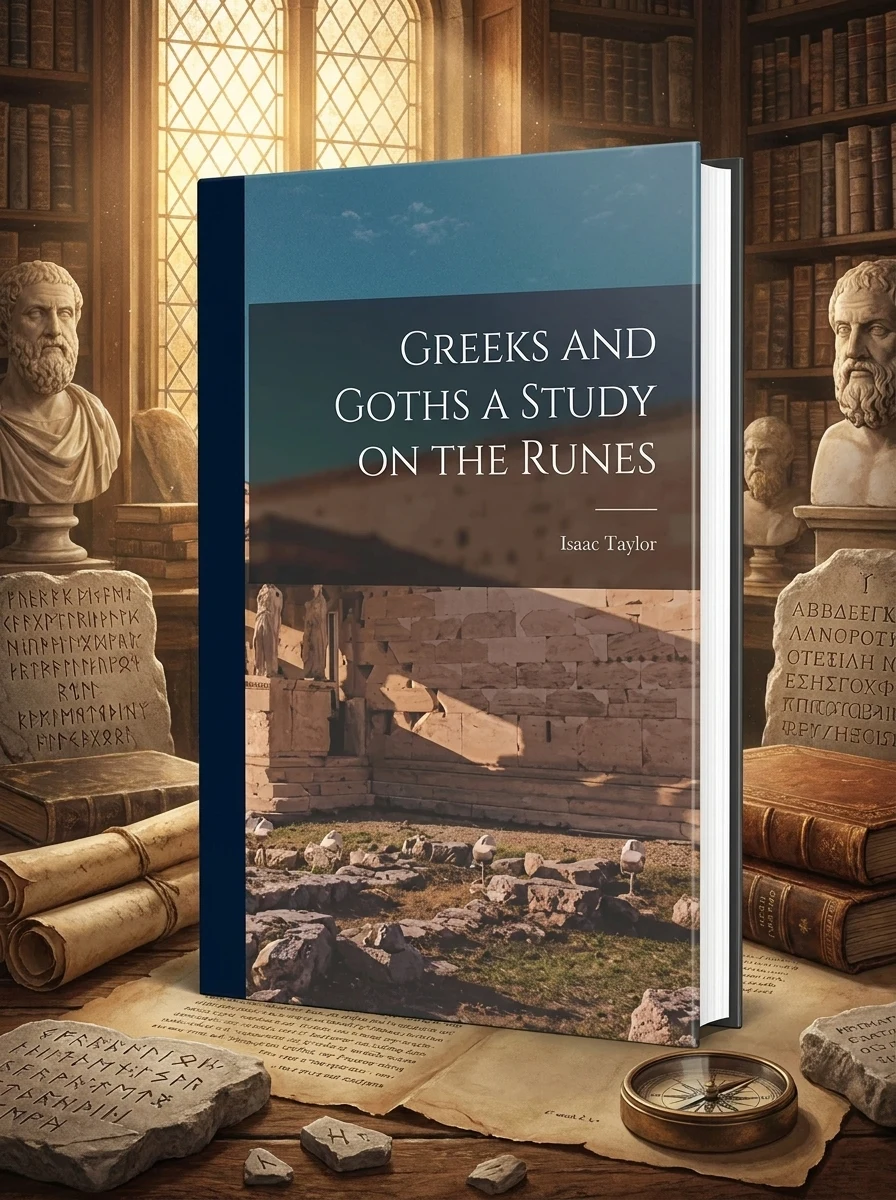 89
89