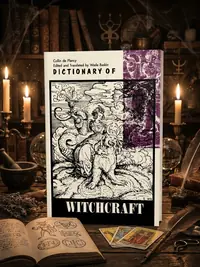
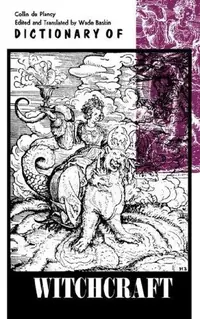
Dictionary of Witchcraft
Stock reported in the catalog; fulfillment is confirmed with your request.
Unearth centuries of arcane lore, from demonic hierarchies to forgotten enchantments.
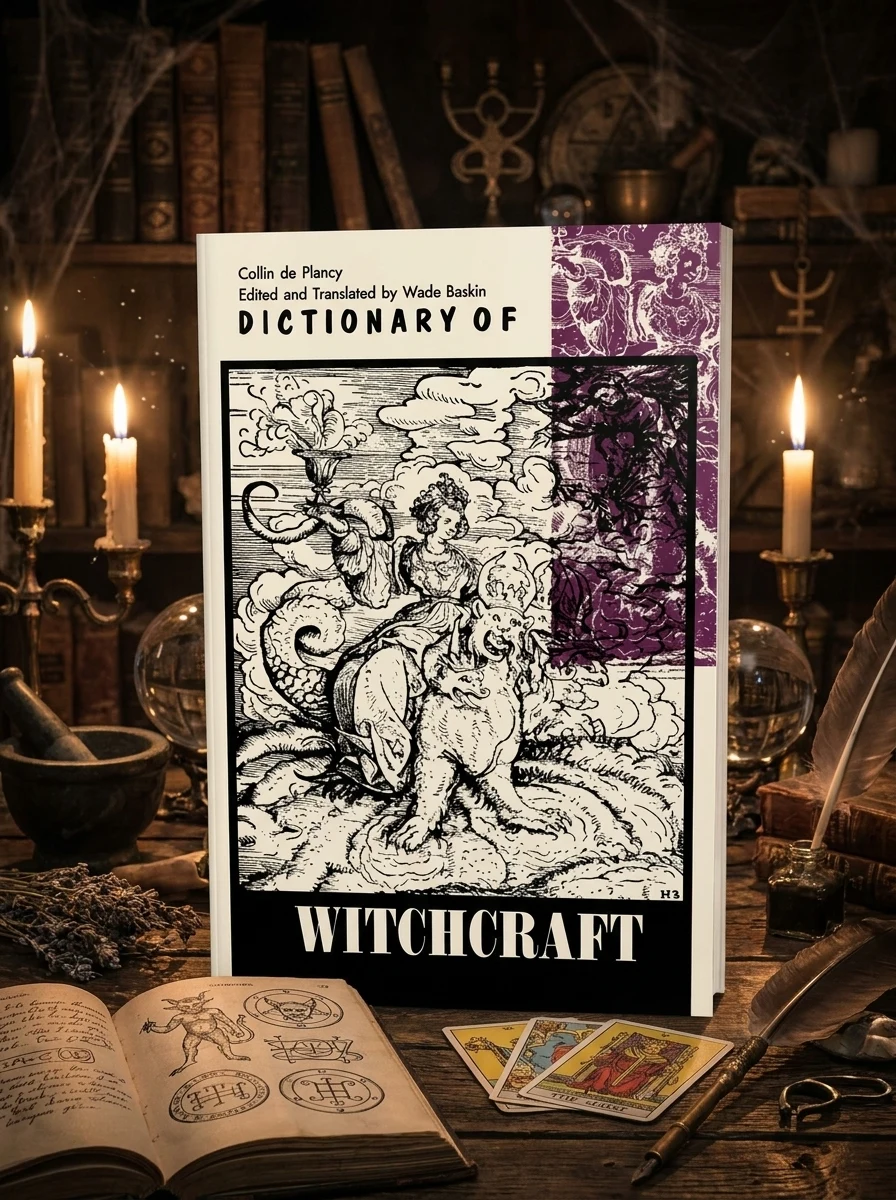
Delve into Collin de Plancy's monumental "Dictionary of Witchcraft," a foundational compendium meticulously cataloging myriad facets of the occult. Originally conceived to inform and entertain, this groundbreaking work became an indispensable resource for understanding historical beliefs surrounding magic, divination, and supernatural manifestations. It explores everything from named demons and their ranks, echoing ancient grimoires, to pervasive superstitions and folk traditions. Translated and introduced by occultist Wade Baskin, this volume offers unparalleled insight into the historical understanding of trafficking with infernal forces and the broader world of esoteric knowledge.
This work serves as a foundational compendium within the tradition of historical occultism, meticulously cataloging beliefs surrounding magic and supernatural manifestations that echo ancient grimoires. It stands as an indispensable resource for understanding the broader world of esoteric knowledge and historical perceptions of infernal forces.


📝 Description: Dictionary of Witchcraft
💎 Expert review
📖 Why choose it
Why this book is worth reading
Scholars and enthusiasts of the occult will find this volume indispensable for its comprehensive cataloging of arcane lore, ranging from demonic hierarchies to forgotten enchantments. By exploring named demons, their ranks, and pervasive superstitions, it offers unparalleled insight into historical beliefs about magic and divination. Translated and introduced by Wade Baskin, the text bridges the gap between entertainment and serious study, making it perfect for those seeking to understand how past cultures viewed trafficking with infernal forces. It is essential reading for anyone wishing to grasp the roots of esoteric knowledge without needing to decipher original archaic sources, providing a clear window into the supernatural world as it was historically understood.
⭐ Reader reviews
Reader rating
Collin de Plancy’s dictionary remains a monumental resource for understanding historical occultism, yet it is not for everyone. Readers seeking practical spell-casting instructions or modern Wiccan rituals will likely find its focus on historical beliefs and demonology dry and irrelevant. The text is best suited for those interested in the academic or historical study of superstition and esoteric traditions rather than active practitioners. While Baskin’s introduction provides valuable context, the work demands patience from those unfamiliar with older theological frameworks. It is a scholarly tool first and foremost, offering insight into past minds rather than serving as a contemporary guide for magical practice or spiritual development.
❓ Frequently asked questions
📖 Who should read this
If you're a serious student of historical occultism, demonology, or the evolution of magical thought, this volume is essential. It provides foundational understanding of how supernatural beliefs were documented and perceived, offering a scholarly and entertaining perspective on the arcane.
🎯 Key themes and symbolism
Demonic Hierarchies Unveiled
Following the tradition of ancient grimoires like "Pseudomonarchia Daemonum," de Plancy meticulously lists and describes infernal entities. This section provides a structured overview of named demons, their supposed ranks, and their attributed powers, offering a fascinating glimpse into historical demonological classification systems that captivated scholars for centuries.
Folkloric Enchantments & Beliefs
Beyond the grand narratives of high magic, the dictionary dedicates significant attention to the everyday superstitions and traditional beliefs that shaped society's understanding of the unseen. It chronicles a vast array of folktales, prejudices, and popular marvels, illustrating the pervasive nature of magical thought across different cultures and eras.
Seminal Occult Reference
This work stands as a pioneering effort to systematically document the diverse manifestations of witchcraft, magic, and the supernatural. It was among the first to seriously categorize phenomena from divinations to occult sciences, establishing a precedent for later esoteric encyclopedias and studies of the arcane, becoming a cornerstone for researchers.
💬 Quotes from the book
“Beelzebub, Prince of Demons, formerly the chief of the Seraphim, second only to Lucifer in power, commands sixty-six legions of spirits.”
“The belief in lycanthropy, or the transformation of humans into wolves, was a pervasive fear across medieval Europe, fueled by both folklore and documented trials.”
📜 Historical context
📚 Glossary
- Demonology
- Grimoire
- Superstition
📔 Questions to reflect on
- How did historical efforts to classify and categorize supernatural phenomena, as seen in de Plancy's work, shape our modern understanding of the occult?
- Considering de Plancy's blend of entertainment and instruction, what role does objective documentation play in understanding historically feared or revered magical practices?
- In what ways do the 'marvels, errors, prejudices, and traditions' documented in this dictionary reflect enduring human psychological needs or fears, even today?
🏛 Books from this publisher Philosophical Library
All books from this publisher →
You might also like
See more →
 91
91