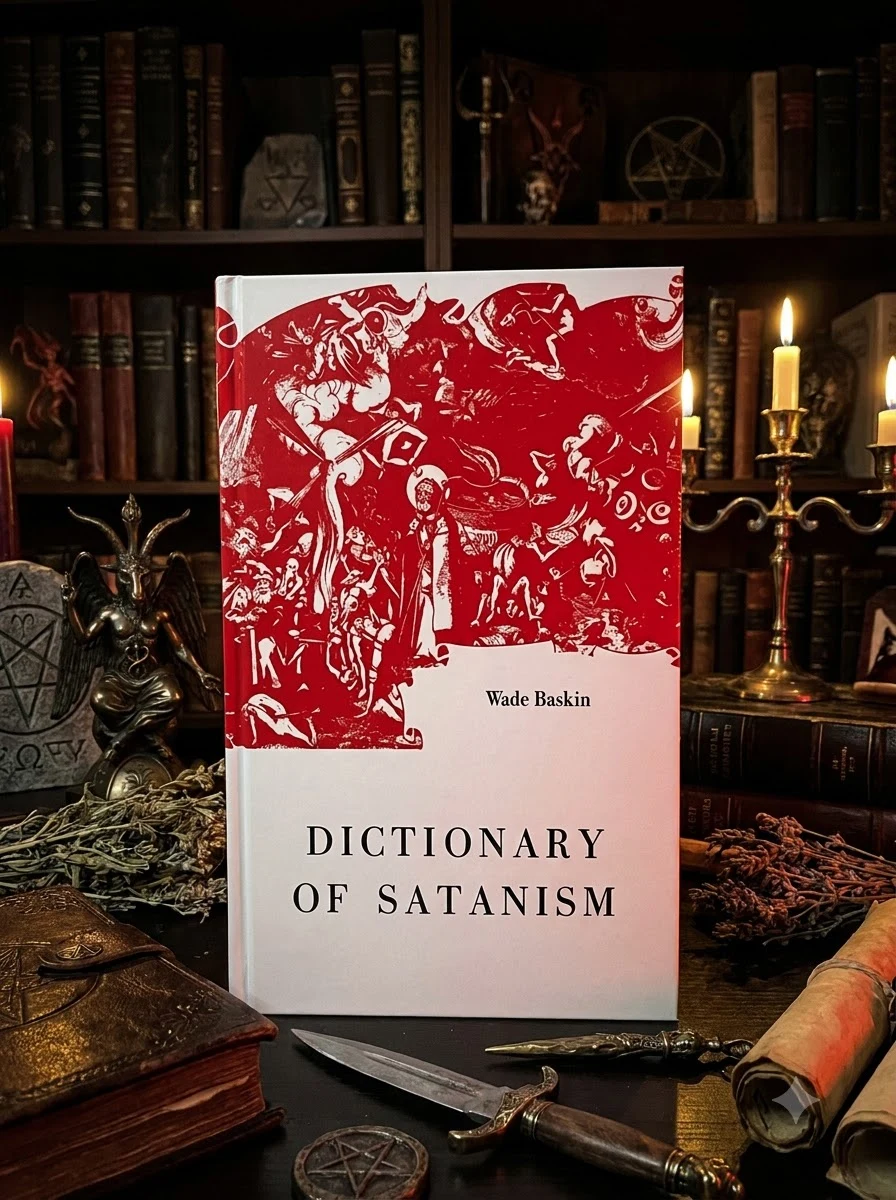
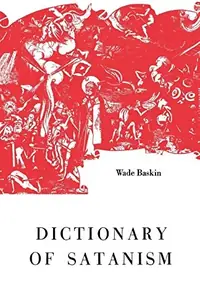
Dictionary of Satanism
Baskin, WadeStock reported in the catalog; fulfillment is confirmed with your request.
Unearth the multifaceted history and diverse expressions of Satanism through the ages.
This essential reference work serves as an illuminating portal into the complex world of Satanic traditions and their various manifestations across history. From ancient adversarial figures to modern philosophical currents, it meticulously distills information from a multitude of reputable sources. Readers will find comprehensive entries detailing the evolution of Satanic thought, its symbols, key figures, and the diverse groups that have embraced or been associated with these powerful concepts. It offers an objective overview, making sense of a subject often shrouded in misunderstanding and sensationalism.
Situated within the esoteric catalog of occult philosophy, this reference work bridges historical adversarial figures and modern philosophical currents regarding Satanic traditions. It serves as an objective scholarly resource amidst a landscape often defined by sensationalism and misunderstanding.


📝 Description: Dictionary of Satanism
💎 Expert review
📖 Why choose it
Why this book is worth reading
This book is an essential resource for anyone seeking to understand the complex world of Satanic traditions without the noise of sensationalism. Readers gain a comprehensive overview that meticulously distills information from reputable sources, clarifying the evolution of Satanic thought, its symbols, and key figures. It is particularly valuable for those who feel shrouded by misunderstanding, offering an objective portal into diverse expressions across history. By detailing both ancient adversarial figures and modern philosophical currents, it empowers readers to grasp the multifaceted nature of these concepts with clarity and depth.
⭐ Reader reviews
Reader rating
Baskin’s Dictionary is a vital reference tool for those willing to engage with Satanic history through an objective lens. It succeeds in making sense of a subject often obscured by misunderstanding, providing detailed entries on evolution, symbols, and groups. However, it does NOT suit readers seeking theological condemnation or sensationalist horror narratives; this is a scholarly distillation, not a dramatic account. Those expecting moral judgment will find its neutrality dry, but intellectual curiosity about esoteric traditions will be rewarded with a clear, well-researched map of the subject’s diverse manifestations.
❓ Frequently asked questions
📖 Who should read this
If you are a student of comparative religion, a curious seeker into esoteric lore, or simply wish to demystify one of history's most compelling and misunderstood subjects, this dictionary is an invaluable resource. It's perfect for anyone seeking a clear, objective overview.
🎯 Key themes and symbolism
Satan's Shifting Identities
The dictionary delves into how the figure of Satan has been perceived and named across different cultures and eras. It explores the myriad forms this powerful archetype has taken, from ancient deities and rebellious spirits to the philosophical constructs embraced by various modern movements, showcasing its remarkable adaptability and enduring presence in human thought.
Historical Trajectories of Satanism
Tracing the lineage of Satanism from its earliest historical allusions to its contemporary expressions, this book maps its evolution through time. It provides a chronological understanding of how these beliefs and practices have developed, adapted, and sometimes re-emerged, offering context for its changing significance in religious and cultural landscapes from antiquity to the present day.
Scholarly Synthesis of Knowledge
Compiled from extensive and authoritative scholarship, this volume synthesizes complex information into accessible entries. It acts as a reliable compendium, drawing on hundreds of verified religious and academic sources to present a balanced and informed perspective on a subject often misrepresented. This approach ensures a foundation of factual understanding for the reader.
💬 Quotes from the book
“The adversarial principle, often personified as 'Satan,' has manifested in countless cultural narratives as a force challenging established order or representing individuation.”
“From the ancient Near Eastern 'shedim' to the medieval 'diabolus' and the modern 'rebel angel,' the nomenclature for the demonic has evolved considerably.”
📜 Historical context
📚 Glossary
- Baphomet
- Luciferianism
- Left-Hand Path
📔 Questions to reflect on
- How does understanding the historical evolution of 'Satan' challenge or confirm your previous perceptions of the figure?
- Reflect on how the concept of an 'adversarial force' might serve as a catalyst for change or personal development in different spiritual traditions.
- Consider the difference between a philosophical interpretation of Satanism and a ritualistic one. What societal factors might lead to one form predominating at certain times?
✍️ More books by this author Baskin, Wade
All books by this author →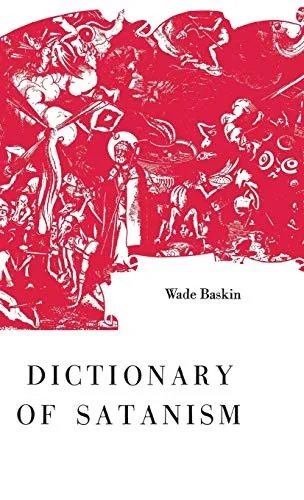
🏛 Books from this publisher Philosophical Library
All books from this publisher →
You might also like
See more →




 91
91