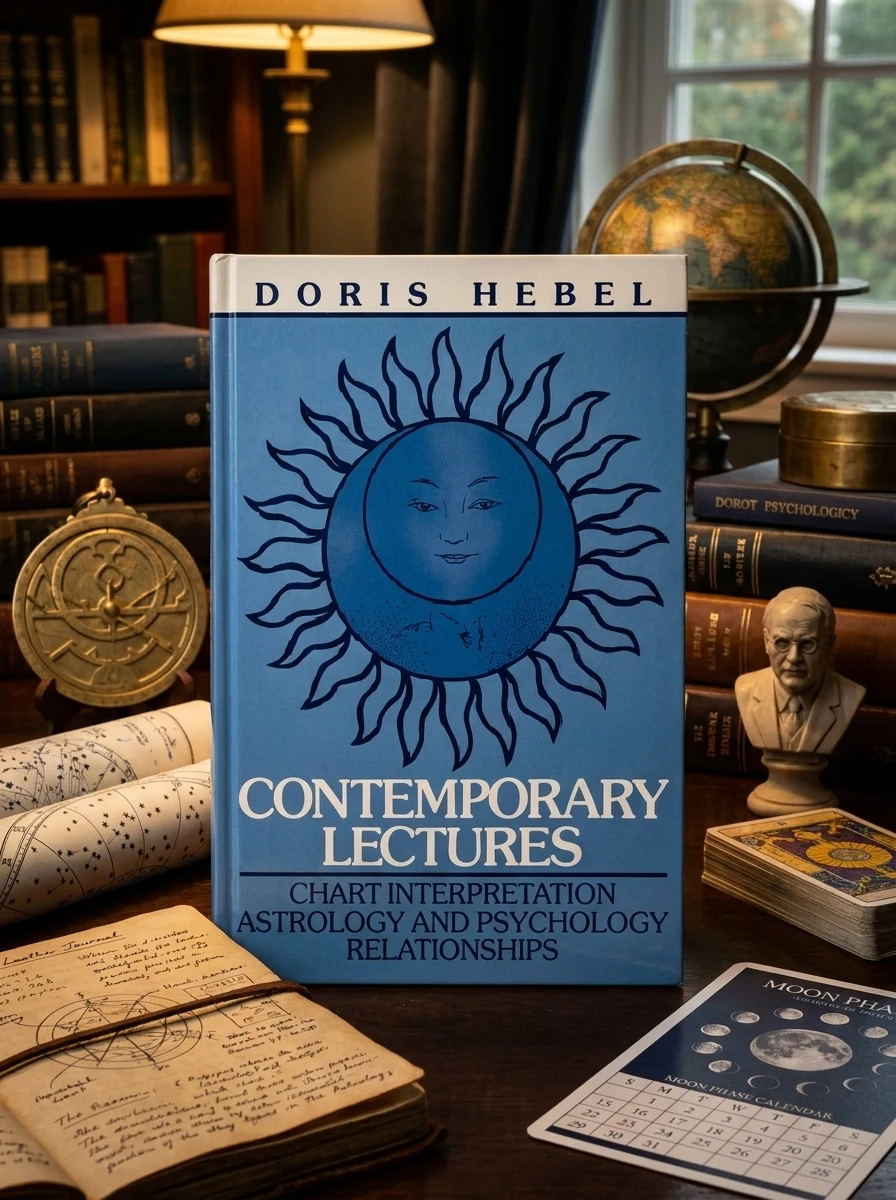
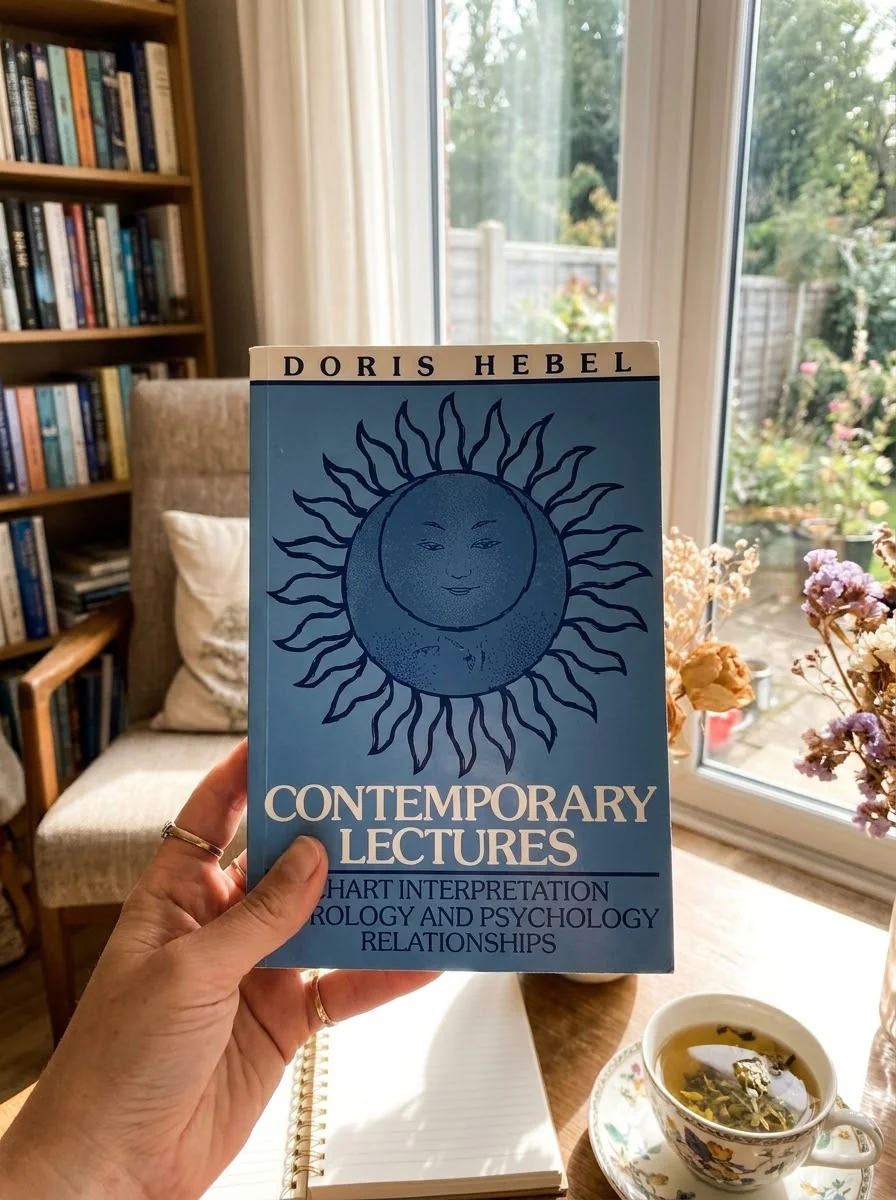
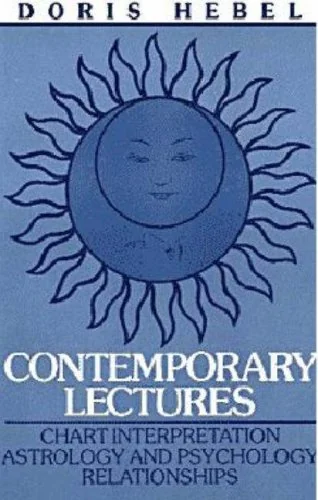
Contemporary Lectures
Doris Hebel's 'Contemporary Lectures' offers a profound exploration into the multifaceted world of astrological interpretation, moving beyond basic planetary positions. This collection delves into the intricate dance of chart elements, the significance of aspects, and the often-misunderstood dynamics of retrogrades. It skillfully bridges the gap between cosmic patterns and human psychology, providing tools to understand parental influences, relational complexities, and the deeper spiritual dimensions embedded in one's birth chart. An essential guide for those seeking to unlock self-awareness through the stars and deepen their interpretive skills.


📝 Description: Contemporary Lectures
💎 Expert review
📖 Why choose it
Why this book is worth reading
This book is ideal for dedicated astrology students and practitioners who feel stuck on basic planetary meanings and seek to master the nuanced dynamics of chart interpretation. Readers will gain profound clarity on how parental influences shape their psyche and how relational complexities manifest through astrological aspects. It serves those craving a deeper spiritual dimension in their practice, offering practical tools to bridge cosmic patterns with psychological insight. If you wish to unlock self-awareness and refine your interpretive skills beyond superficial horoscopes, this collection provides the necessary depth and structure to transform your understanding of the birth chart into a living map of the soul.
⭐ Reader reviews
Reader rating
Hebel’s 'Contemporary Lectures' successfully bridges cosmic theory and psychological insight, making complex concepts like retrogrades and aspects accessible yet profound. It is an excellent resource for those committed to deep self-work and relational analysis through astrology. However, it does not suit beginners seeking simple sun-sign daily horoscopes or those who prefer deterministic fatalism over psychological exploration. Readers looking for quick, superficial answers may find the intricate focus on chart elements too dense. It demands active engagement with the material to appreciate its value in unlocking deeper self-awareness and interpretive precision.
❓ Frequently asked questions
📖 Who should read this
If you're an intermediate astrologer eager to deepen your interpretive skills, or a psychology enthusiast looking for a unique lens on human behavior, Hebel's lectures offer invaluable insights. Prepare to engage with astrology not just as a predictive tool, but as a profound system for self-discovery and relational understanding.
🎯 Key themes and symbolism
Psychology & Self-Understanding
This work masterfully connects astrological configurations to the inner landscape of the human psyche. It explores how chart indicators reveal psychological patterns, parental influences, and core motivations. By integrating astrological insights with psychological principles, readers gain a deeper understanding of their unconscious drives and personal growth trajectories, fostering profound self-awareness.
Relational & Interpersonal Dynamics
A significant portion of the lectures is dedicated to the intricate astrology of relationships. Hebel illuminates how synastry and composite charts can reveal the underlying dynamics of partnerships, friendships, and family bonds. Readers learn to identify areas of harmony and challenge, offering a cosmic lens through which to navigate interpersonal connections with greater empathy and insight.
📜 Historical context
📚 Glossary
- Retrogrades
- Aspects
- Hemisphere Emphasis
📔 Questions to reflect on
- Consider a significant retrograde period in your life. How did its themes manifest, and what did you learn about your inner processes during that time?
- Reflect on a prominent aspect in your birth chart. How does it manifest in your personality and relationships, and what 'inner dialogue' does it represent for you?
- Using the concept of parental indicators, how might your understanding of your parents' charts or your own chart's parental significators shed light on your formative experiences?