Color: Light, Sight, Sense: Light, Sight, Sense
This edition can be ordered. No arrival date is confirmed.
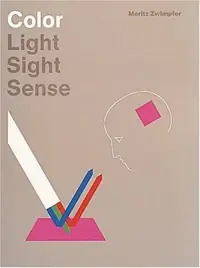
Moritz Zwimpfer illuminates the alchemy of vision, revealing color as a living, three-dimensional reality.
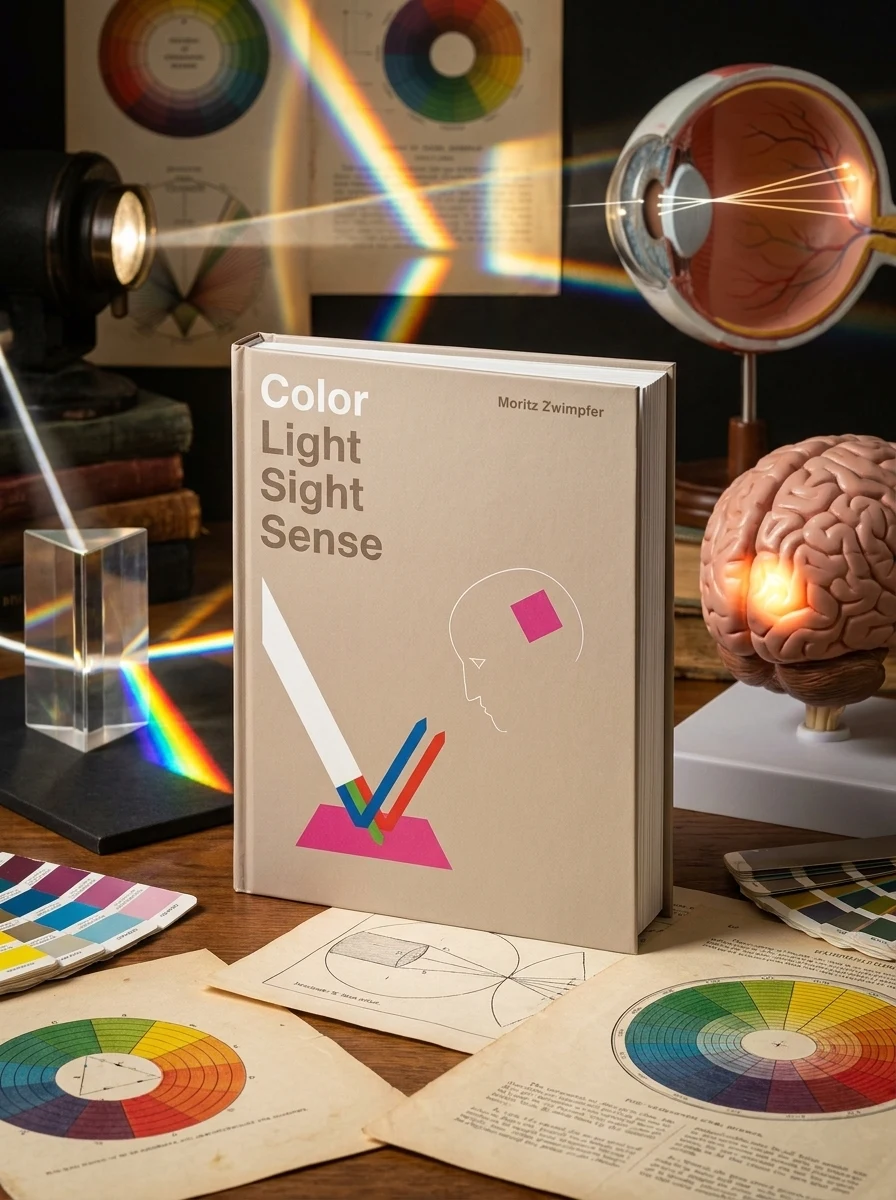
For the first time in English, this seminal European text dissects the journey of light from external stimulus to internal perception. Zwimpfer guides readers through the physiological reactions of the eye and brain, utilizing vivid schematics to explain complex color organization. This work transcends passive observation, demonstrating how we actively construct a three-dimensional world through hue and shade. It is an essential, scientifically grounded exploration for those seeking to understand the mechanics and magic of sight.
This work bridges the gap between esoteric philosophy and physiological science, reflecting a tradition where the mechanics of perception are viewed as a magical or alchemical process. It sits within the occult-philosophy shelf, treating sight not merely as biological function but as an active construction of reality.


📝 Description: Color: Light, Sight, Sense: Light, Sight, Sense
💎 Expert review
📖 Why choose it
Why this book is worth reading
Readers fascinated by the intersection of mystical experience and biological mechanics will find this text profoundly rewarding. Moritz Zwimpfer offers a unique lens for those who wish to understand how we actively construct our three-dimensional world through hue and shade. It is ideal for artists, philosophers, and occultists who seek a scientifically grounded exploration of sight’s magic. By dissecting the journey from external stimulus to internal perception, the book empowers readers to see color as a living, dynamic reality rather than a passive property. This seminal European text provides the tools to transcend ordinary observation, making it essential for anyone dedicated to mastering the alchemy of vision and understanding the deeper structures of human sensory experience.
⭐ Reader reviews
Reader rating
My book club chose this last month. A text you study rather than simply read. Recommended with reservations.
I keep coming back to this one. You can tell why this work has endured. I'd have loved an index, but that's on the original text. Happy enough with the purchase.
This exceeded my expectations. Some chapters demand a slow, careful read, and that's exactly the point. The ideas are old but land with surprising force today. I'd have loved an index, but that's on the original text. Still worth having on the shelf.
This volume is a rigorous dissection of visual perception that demands patience and intellectual engagement from its audience. While Zwimpfer’s schematics are vivid, the text’s focus on physiological reactions and complex color organization may alienate casual readers seeking simple aesthetic advice or spiritual fluff. It does not suit those looking for quick tips on design or superficial metaphysical musings without scientific backing. However, for the serious student of esoteric philosophy who appreciates a synthesis of hard science and mystical insight, it is a valuable resource. The book’s strength lies in its uncompromising examination of how the brain constructs reality, making it a challenging but necessary read for those willing to delve deep into the mechanics of sight.
❓ Frequently asked questions
📖 Who should read this
Artists, photographers, and design students seeking a scientific yet accessible foundation for color theory, as well as curious minds fascinated by the intersection of biology and aesthetics.
🎯 Key themes and symbolism
Physiology of Sight
Zwimpfer meticulously maps the biological pathway of light, detailing how the visual organs process stimuli before the brain interprets them as color.
Active Perception
The author argues that seeing is not passive registration like photography, but an active, three-dimensional construction of reality by the human mind.
Color Organization
Through detailed diagrams and photographs, the text explains the structural rules governing how colors relate, contrast, and form coherent visual experiences.
💬 Quotes from the book
“Color perception transcends mere passive registration, evolving into a dynamic, three-dimensional engagement with our world.”
“From the external spark of light to the internal theater of the brain, every hue tells a story of biological interaction.”
📜 Historical context
📚 Glossary
- Visual Stimulus
- Three-Dimensional Perception
- Schematic Diagrams
📔 Questions to reflect on
- How does your understanding of color change when you view it as a physiological event rather than just an aesthetic choice?
- Recall a moment when color revealed depth or distance; how did your eyes construct that three-dimensionality?
- In what ways do your artistic choices rely on the active perception Zwimpfer describes, rather than passive observation?
🏛 Books from this publisher Schiffer Publishing
All books from this publisher →
 89
89







You might also like
See more →
 91
91
 91
91

 91
91
 91
91
 91
91