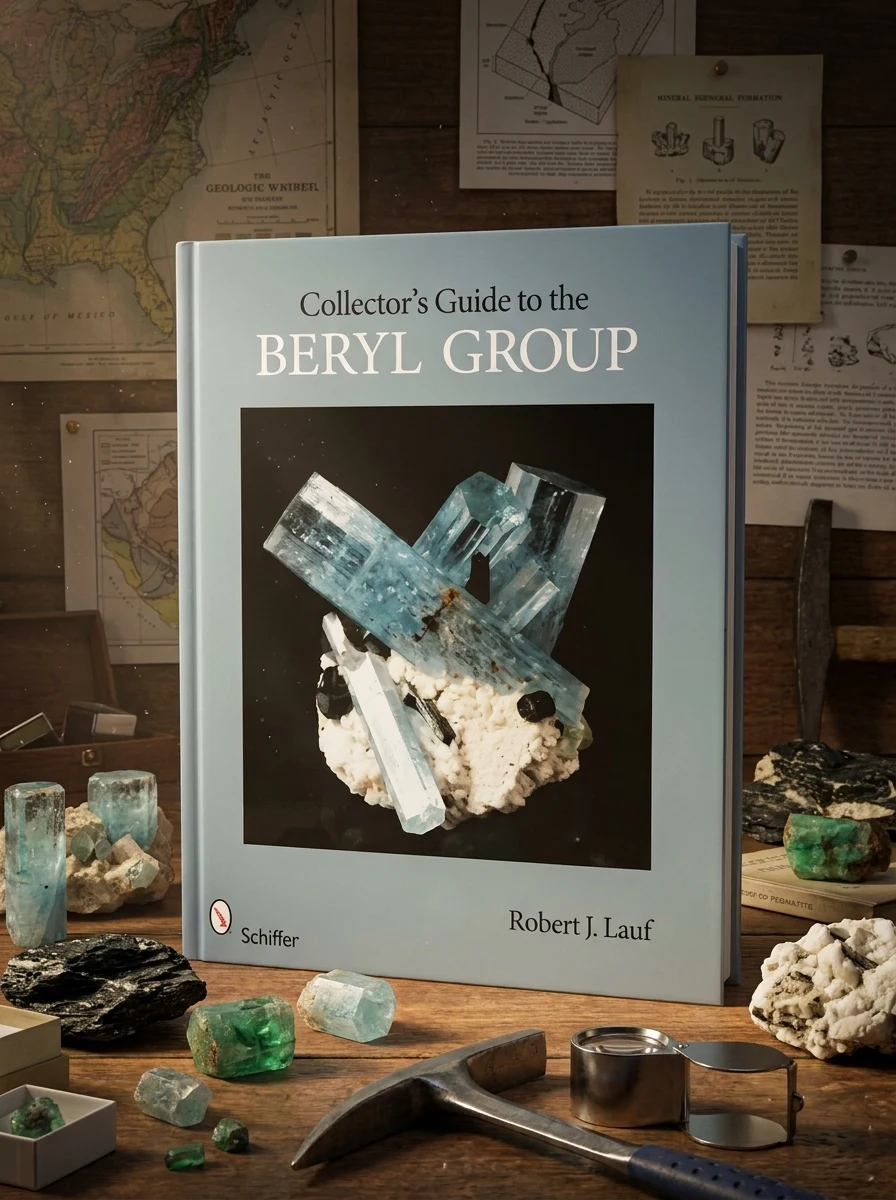
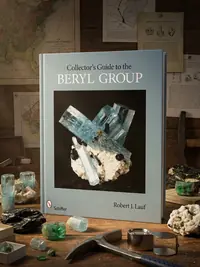
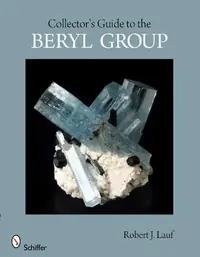
Collector's Guide to the Beryl Group Lauf, Robert J
Lauf, Robert JThis edition can be ordered. No arrival date is confirmed.
Unearth the geological secrets behind beryl’s most precious gems in this essential collector's reference.
Robert J. Lauf delivers a definitive monograph on the beryl family, moving beyond simple identification to explore the intricate geochemical processes that birth emeralds and aquamarines. This volume serves as both a scientific treatise and a visual guide, detailing the taxonomy, chemistry, and formation environments of pegmatites and schists. With over one hundred full-color photographs, collectors gain the ability to distinguish superior specimens and recognize associated minerals in the wild. It is an indispensable resource for understanding the geological context of these stones.
This work bridges the gap between hard science and esoteric gemology, appealing to collectors who view stones through both a geological and metaphysical lens. It sits within the tradition of detailed mineralogical references that serve as foundational texts for serious enthusiasts of the occult and natural history.


📝 Description: Collector's Guide to the Beryl Group Lauf, Robert J
💎 Expert review
📖 Why choose it
Why this book is worth reading
This book is an indispensable resource for the serious collector who wishes to understand the geological context of beryl specimens. Robert J. Lauf provides a definitive monograph that moves beyond simple identification, offering a scientific treatise on the geochemical processes that birth emeralds and aquamarines. With over one hundred full-color photographs, it empowers readers to distinguish superior specimens and recognize associated minerals in the wild. It is essential for those seeking to master the taxonomy, chemistry, and formation environments of pegmatites and schists. By combining visual guidance with rigorous scientific detail, it ensures that collectors can appreciate the intricate beauty and complex origins of these precious gems with authority and depth.
⭐ Reader reviews
Reader rating
I keep coming back to this one. The historical context alone makes it worth the price. Would buy from this store again.
Bought this as a gift for my sister and ended up ordering a second copy for myself. I appreciated how the argument builds steadily from first principles. You can tell why this work has endured. Glad I finally picked this up.
Added this to my reference shelf. It's become a regular reference in my practice. Highly recommend to serious students.
Honestly wasn't sure what to expect, but I'm impressed. The print is clean and easy on the eyes for long sessions. Happy enough with the purchase.
Lauf’s volume is a robust scientific treatise that may overwhelm readers seeking light reading or purely metaphysical interpretations. It demands patience for its detailed exploration of geochemistry and mineral taxonomy, making it unsuitable for casual browsers or those uninterested in the hard science behind gem formation. However, for the dedicated mineralogist or serious collector, it is a triumph of clarity and visual documentation. The inclusion of extensive photographic plates aids significantly in practical identification. Readers looking for mystical lore will find this dry; those seeking geological truth will find it invaluable. It is a specialized tool for the trade, not a general interest book.
❓ Frequently asked questions
📖 Who should read this
Dedicated mineral collectors, gemologists, and geology students seeking a rigorous yet accessible guide to beryl varieties and their geological origins.
🎯 Key themes and symbolism
Geochemical Formation
Lauf dissects the specific chemical conditions required for beryl crystallization, explaining how trace elements transform clear crystals into vibrant greens and blues, offering deep insight into mineral genesis.
Visual Identification
The text relies heavily on high-resolution imagery to teach collectors how to identify species and quality, providing a visual lexicon that complements the technical data presented in the chapters.
Locality Data
Detailed entries map out global sources, helping enthusiasts understand where specific varieties originate and what other minerals typically accompany them in their natural geological settings.
💬 Quotes from the book
“The chemistry of beryl is a delicate dance of trace elements, where minute impurities dictate the stone's soul.”
“To collect beryl is to travel through time, reading the geological history written in crystal lattice.”
📜 Historical context
📚 Glossary
- Pegmatite
- Micromount
- Taxonomy
📔 Questions to reflect on
- How does the geochemical environment of your local region influence the types of beryl specimens you might find?
- In what ways does the visual presentation of a specimen change your understanding of its geological origin?
- How might the rarity of a specific beryl variety correlate with the complexity of its formation conditions?
✍️ More books by this author Lauf, Robert J
All books by this author →
🏛 Books from this publisher Schiffer Publishing
All books from this publisher →
 89
89



You might also like
See more →
 79
79