
Carl Jung: Wounded Healer of the Soul
This edition can be ordered. No arrival date is confirmed.
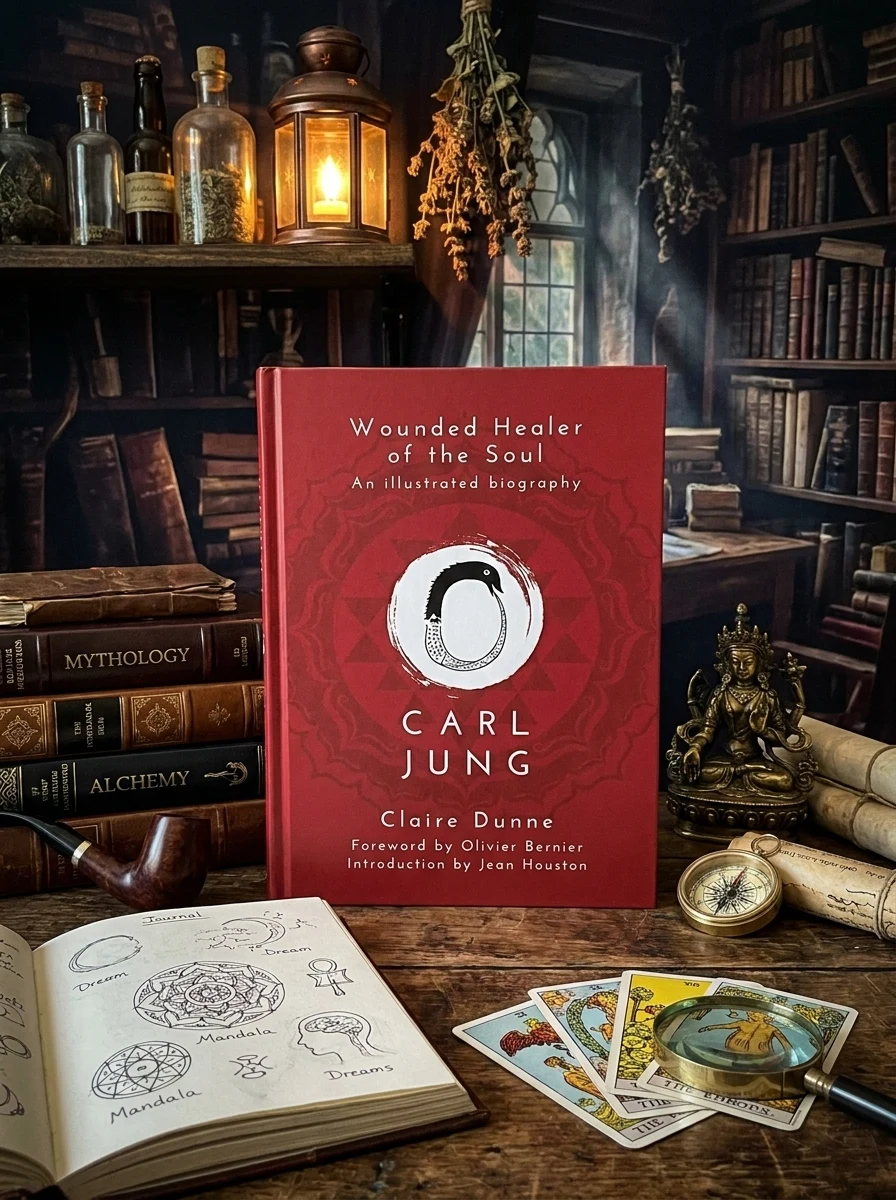
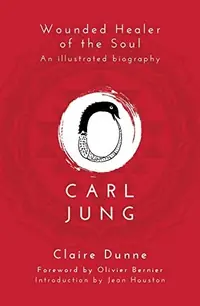
Uncover the spiritual odyssey of Carl Jung, the soul's daring cartographer.
This captivating biography illuminates the life of Carl Jung, a monumental figure whose insights profoundly shaped modern psychology. It chronicles his unique path from a childhood marked by visionary experiences to his mature integration of spirituality and the psyche. The narrative meticulously explores his groundbreaking contributions, such as the collective unconscious and archetypes, while also detailing his complex relationship with Sigmund Freud and the significant influence of colleagues like Toni Wolff. Enhanced by evocative imagery and Jung's own words, it offers an accessible window into the mind of a revolutionary thinker and his journey of self-discovery.
This work sits at the intersection of depth psychology and esoteric biography, bridging the gap between clinical psychoanalysis and spiritual self-discovery. It contributes to the ongoing discourse on how visionary experiences shape intellectual legacy within the Western occult and philosophical traditions.


📝 Description: Carl Jung: Wounded Healer of the Soul
💎 Expert review
📖 Why choose it
Why this book is worth reading
Readers fascinated by the inner landscapes of revolutionary thinkers will find this biography deeply rewarding. It is ideal for those who wish to understand how visionary childhood experiences can evolve into profound professional insights. The book serves as an accessible entry point for individuals interested in the collective unconscious and archetypes without requiring prior academic expertise. By weaving evocative imagery with Jung’s own words, it offers a warm, inviting window into a life dedicated to mapping the soul. It is particularly suited for seekers who appreciate the integration of spirituality and psychology, providing a clear narrative of self-discovery that resonates with anyone on their own spiritual odyssey.
⭐ Reader reviews
Reader rating
This biography succeeds in illuminating Jung’s monumental impact on modern thought through a captivating narrative style. However, readers seeking rigorous academic critique or dense theoretical analysis may find the accessible approach lacking in scholarly depth. Those expecting a dry, chronological catalog of dates and events might be disappointed by the focus on spiritual odyssey over clinical detail. It is not suitable for skeptics who dismiss the efficacy of visionary experiences or those uninterested in the personal dynamics of his relationships with Freud and Wolff. The book shines as an inspirational portrait rather than a definitive scholarly tome.
❓ Frequently asked questions
📖 Who should read this
If you're fascinated by the origins of depth psychology, the interplay between spirituality and the psyche, or the life of a true intellectual pioneer, this book is essential. It offers a rich, accessible narrative for both newcomers and seasoned students of Jung.
🎯 Key themes and symbolism
Inner World Exploration
The book delves into Jung's personal voyage through profound visions and dreams, starting from his youth. It emphasizes how these deeply subjective experiences were not merely personal anecdotes but foundational to his groundbreaking psychological theories, revealing his own process of confronting and integrating the unconscious.
Bridging East and West
This work highlights Jung's pivotal role in integrating spiritual traditions, particularly from Eastern philosophies, with Western psychological thought. It showcases how he sought universal patterns of human experience, creating a framework that allowed for a dialogue between psychological inquiry and spiritual wisdom, a truly revolutionary step for his era.
Foundational Concepts
Readers will trace the development of Jung's most enduring ideas, including the collective unconscious, archetypes, and synchronicity. The biography explains how these concepts emerged from his clinical practice, his personal explorations, and his extensive studies of mythology and world religions, offering insight into their origins and significance.
💬 Quotes from the book
“Jung's early visions, often terrifying in their intensity, were not mere childhood fantasies but profound glimpses into the archetypal depths that would later define his life's work.”
“The integration of Eastern thought into his psychological framework was a radical departure, forging a spiritual bridge that continues to resonate with seekers today.”
📜 Historical context
📚 Glossary
- Archetypes
- Collective Unconscious
- Synchronicity
📔 Questions to reflect on
- Reflect on a 'meaningful coincidence' you've experienced. How might Jung's concept of synchronicity offer a new perspective on it?
- Jung's childhood visions guided his life's work. What early experiences or recurring dreams have felt particularly profound or guiding for you?
- Consider the 'collective unconscious.' In what ways do you see universal patterns or archetypal themes manifesting in contemporary culture or your own life?
🏛 Books from this publisher Watkins Publishing
All books from this publisher →




![Pregnancy Health Yoga: Your Essential Guide for Bump, Birth and Beyond [With DVD]](/img/pregnancy-health-yoga-your-essential-guide-for-bump-birth-and-beyond-with-dvd.webp)
You might also like
See more →

 91
91