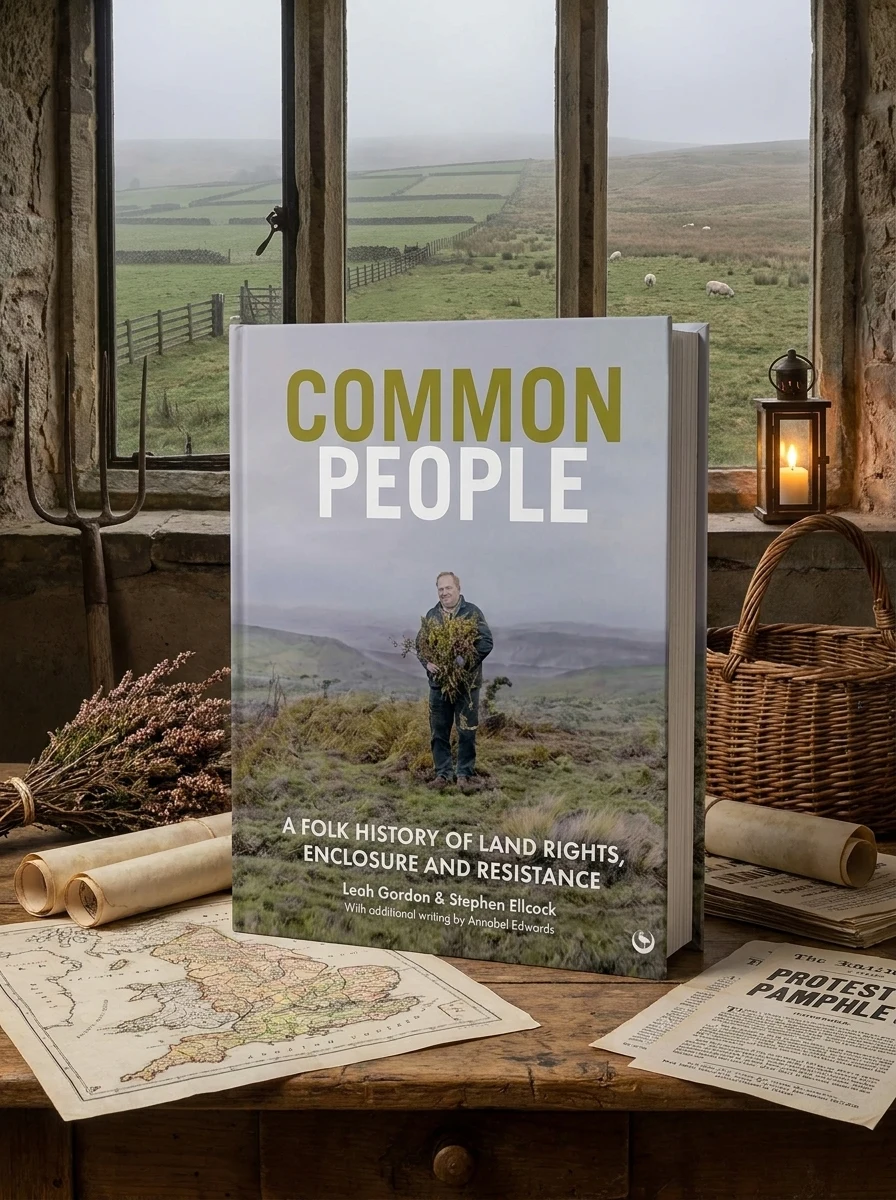
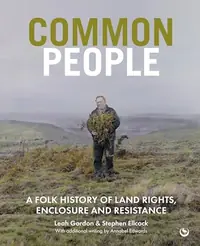
Common People: A Folk History of Land Rights, Enclosure and Resistance
Stock reported in the catalog; fulfillment is confirmed with your request.
Uncover the forgotten battles for England's land, a defiant history etched in rebellion and resilience.
This compelling visual narrative delves into England's historical land enclosures and the enduring resistance against them. Through a rich tapestry of historical art and contemporary photography by Leah Gordon, it chronicles centuries of struggle for shared access. Discover defiant actions, from the Levellers to the Luddites, tracing the continuity of land rights movements from peasant uprisings to modern environmental activism and the Right to Roam. A powerful reclamation of history, told from the perspective of those who fought for common ground.
This work situates itself within the tradition of folk history and social resistance literature, bridging historical analysis with contemporary environmental activism through the lens of English land rights struggles. It draws upon the legacy of peasant uprisings and modern movements like the Right to Roam to frame a narrative of communal resilience against enclosure.


📝 Description: Common People: A Folk History of Land Rights, Enclosure and Resistance
💎 Expert review
📖 Why choose it
Why this book is worth reading
Readers passionate about social justice, environmental history, and the intersection of art and politics will find profound value in this visual narrative. It offers a unique perspective by centering the voices of the common people who fought for shared access to land over centuries. By connecting historical rebellions like those of the Levellers and Luddites to modern activism, the book provides a powerful sense of continuity and defiance. Those seeking to understand the roots of current land rights debates or looking for inspiration in the resilience of marginalized communities will gain a deeper appreciation for the enduring struggle against enclosure. It is an essential read for anyone interested in reclaiming history from the perspective of the resistance.
⭐ Reader reviews
Reader rating
This compelling visual narrative effectively chronicles centuries of struggle for shared access, utilizing historical art and contemporary photography to illustrate the continuity of land rights movements. While it serves as a powerful reclamation of history for activists and historians alike, it may not suit readers seeking dry, purely academic economic data or those uninterested in political activism. The book’s strength lies in its emotional resonance and visual storytelling rather than dense theoretical analysis. Readers looking for a straightforward chronological account without the element of artistic interpretation might find the approach less engaging. However, for those willing to engage with a defiant history etched in rebellion, it offers a rich, perspective-shifting experience that highlights the enduring fight for common ground.
❓ Frequently asked questions
📖 Who should read this
If you're drawn to histories from below, seeking to understand the deep roots of social justice movements and the power of collective action, this book is for you. It's essential reading for anyone interested in land rights, rural history, or the enduring human spirit of defiance.
🎯 Key themes and symbolism
The Vanishing Commons
This volume meticulously documents the systematic erosion of common land in England, from its widespread availability in 1600 to its near-disappearance today. It explores the economic and social forces that drove these enclosures, fundamentally reshaping the landscape and the lives of ordinary people, leading to profound societal shifts.
Spirit of Defiance
Far from a passive acceptance, the book illuminates a vibrant tradition of resistance. From the radical actions of the Levellers and Diggers to the industrial Luddites and contemporary land activists, it showcases how communities continually rose up to challenge the privatization of shared resources, asserting their fundamental rights.
Art of the Uprising
Uniquely, this work employs a diverse array of visual art—historical paintings, folk customs, and Leah Gordon's evocative photography—to tell its story. Art becomes a powerful medium to convey the human impact of enclosure and the spirit of protest, making history tangible and emotionally resonant.
💬 Quotes from the book
“The land was never truly 'empty,' merely awaiting those with the power to redraw its boundaries, silencing the ancient rhythms of common right.”
“From the clandestine meetings of the Diggers to the defiant beats of the rave, the cry for communal space echoes through the ages.”
📜 Historical context
📚 Glossary
- Enclosure
- Levellers
- Right to Roam
📔 Questions to reflect on
- How do modern notions of private property conflict with historical or indigenous understandings of shared land, and what are the societal consequences?
- Reflect on a time you witnessed or participated in a collective effort to reclaim or protect shared resources. What motivated that action?
- In what ways can art and visual culture serve as powerful tools for historical revisionism and social justice movements today?
🏛 Books from this publisher Watkins Publishing
All books from this publisher →



![Pregnancy Health Yoga: Your Essential Guide for Bump, Birth and Beyond [With DVD]](/img/pregnancy-health-yoga-your-essential-guide-for-bump-birth-and-beyond-with-dvd.webp)
You might also like
See more →
 91
91