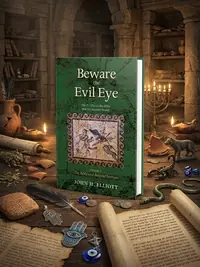
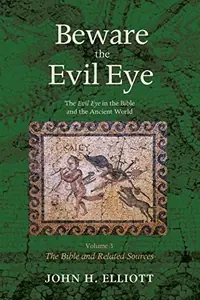
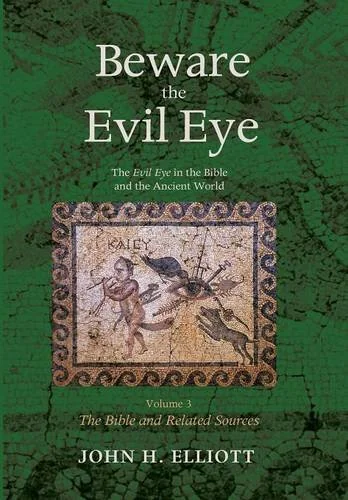
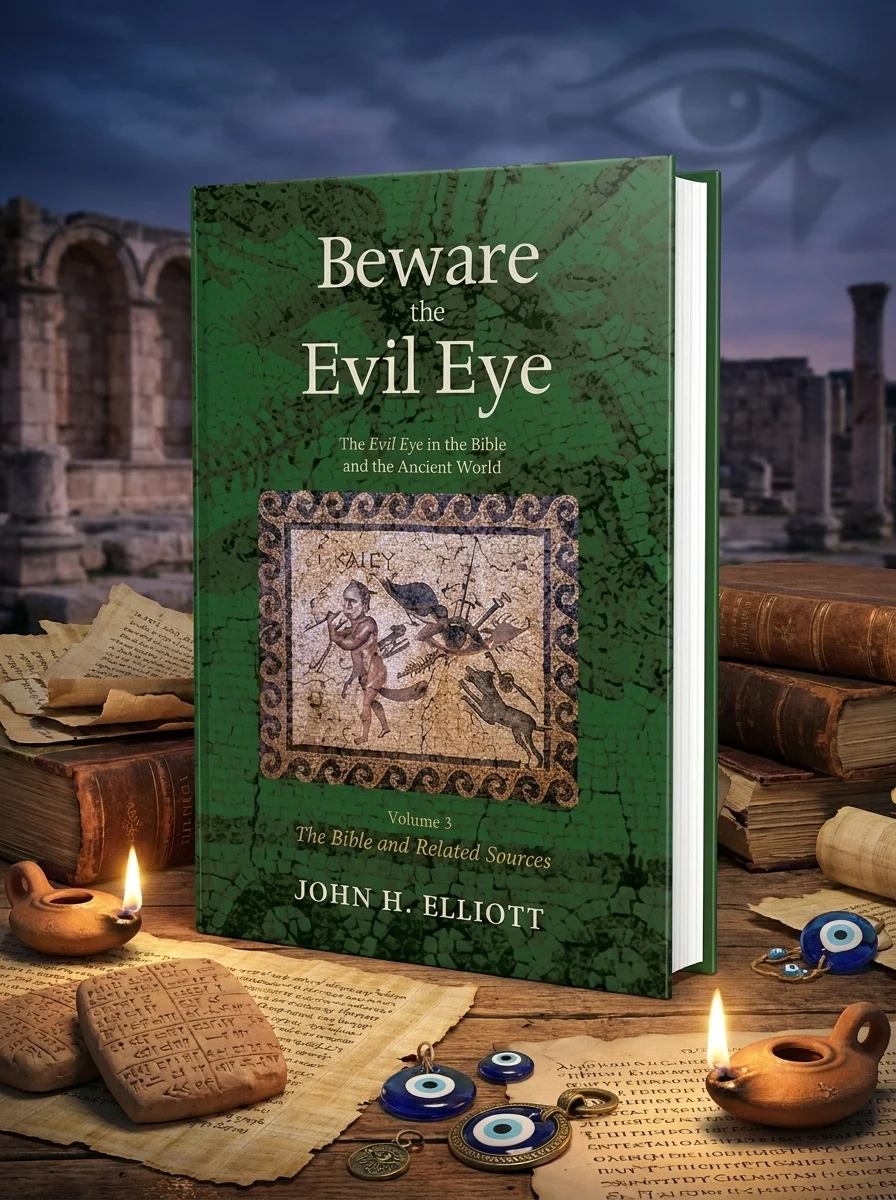
Beware the Evil Eye Volume 3: The Evil Eye in the Bible and the Ancient World--The Bible and Related Sources
Elliott, John HStock reported in the catalog; fulfillment is confirmed with your request.
Uncover the insidious power of the Evil Eye, woven deep into the very fabric of ancient scripture.
This comprehensive volume meticulously unearths the pervasive concept of the Evil Eye throughout the foundational texts of Western monotheism. Delving into the Old Testament, parabiblical writings, Dead Sea Scrolls, and early Christian documents, it reveals how this ancient belief influenced religious thought and daily life. Author John H. Elliott rigorously identifies explicit and implied references, demonstrating its continuous presence from Mosaic law through the teachings of Jesus and Paul. Readers will gain profound appreciation for the cultural backdrop against which these sacred texts were formed.
This volume situates the study of the Evil Eye within the foundational texts and cultural milieu of Western monotheism, bridging Old Testament law, parabiblical writings, and early Christian documents.


📝 Description: Beware the Evil Eye Volume 3: The Evil Eye in the Bible and the Ancient World--The Bible and Related Sources
💎 Expert review
📖 Why choose it
Why this book is worth reading
Scholars and serious students of ancient history will find immense value in this rigorous exploration of how the Evil Eye permeated daily life and religious thought. By meticulously unearthing references from Mosaic law to the teachings of Paul, Elliott provides a vital cultural backdrop for understanding sacred texts. Readers seeking to grasp the insidious power woven into scripture will appreciate this comprehensive analysis, which reveals the continuous presence of this belief system across diverse ancient sources.
⭐ Reader reviews
Reader rating
Elliott offers a meticulous excavation of the Evil Eye’s role in Western monotheism, appealing deeply to academic and theological audiences. However, casual readers or those seeking practical folklore guides may find the dense focus on parabiblical writings and early Christian documents too scholarly. It is not suited for those preferring narrative over rigorous textual identification. The work demands patience but rewards with profound insight into the cultural forces shaping biblical narratives.
❓ Frequently asked questions
📖 Who should read this
If you're a biblical scholar, a student of ancient religions, or simply curious about the surprising occult undertones in sacred texts, this book is essential. It offers a rigorous, well-researched perspective that will challenge and deepen your understanding of biblical history and cultural context.
🎯 Key themes and symbolism
Biblical Textual Evidence
Elliott provides an exhaustive catalog of Evil Eye references across the Greek Septuagint, identifying over two dozen explicit mentions in both canonical and deuterocanonical books. He also explores several instances where the concept is subtly implied, inviting readers to re-examine familiar passages through a new interpretive lens, revealing the belief's undeniable presence in ancient Israelite thought.
Ancient World Connections
Beyond the biblical canon, the book meticulously traces the Evil Eye's appearance in contemporaneous Jewish writings, including the Pseudepigrapha, the Dead Sea Scrolls, and the works of prominent historians like Philo and Josephus. This comparative approach situates biblical belief within the broader cultural tapestry of the ancient Mediterranean world, highlighting shared understandings of this potent superstition.
Early Christian Continuity
This volume demonstrates that the Evil Eye was not merely an Old Testament phenomenon but persisted into the nascent Christian movement. Jesus's own teachings, particularly in the Gospels of Matthew, Luke, and Mark, directly address the 'bad eye,' as do the letters of Paul. The work illustrates how this ancient belief continued to shape ethical and theological discourse in the early church.
💬 Quotes from the book
“The precise Hebrew term used in Proverbs 28:22, often translated as 'stingy,' carries a strong undertone of envious malevolence, directly aligning with wider ancient Near Eastern concepts of the Evil Eye.”
“Jesus's declaration in Matthew 6:23 concerning a 'bad eye' should not be dismissed as mere metaphor; rather, it reflects a common understanding of the eye's capacity to inflict spiritual harm through envy or greed.”
📜 Historical context
📚 Glossary
- Septuagint
- Pseudepigrapha
- Dead Sea Scrolls
📔 Questions to reflect on
- How does understanding the pervasive belief in the Evil Eye throughout ancient texts alter your interpretation of biblical morality, particularly regarding envy, generosity, and justice?
- Consider the psychological and social implications of a widespread Evil Eye belief in an ancient society. What mechanisms might have developed to protect against or mitigate its perceived effects, and do we see echoes of these today?
- Reflect on how the concept of the 'Evil Eye' in antiquity compares to modern notions of negative energy, jealousy, or even the 'power of suggestion.' Are these beliefs fundamentally different, or do they share common human fears?
✍️ More books by this author Elliott, John H
All books by this author →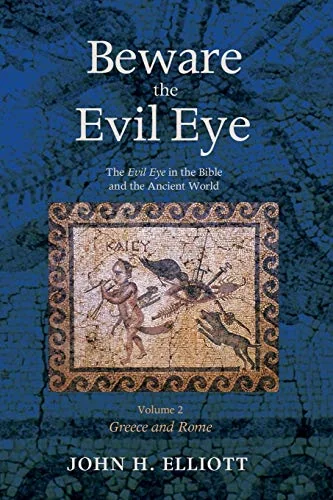
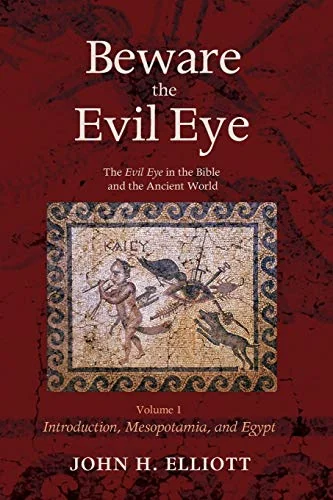
🏛 Books from this publisher Cascade Books
All books from this publisher →You might also like
See more →

 91
91