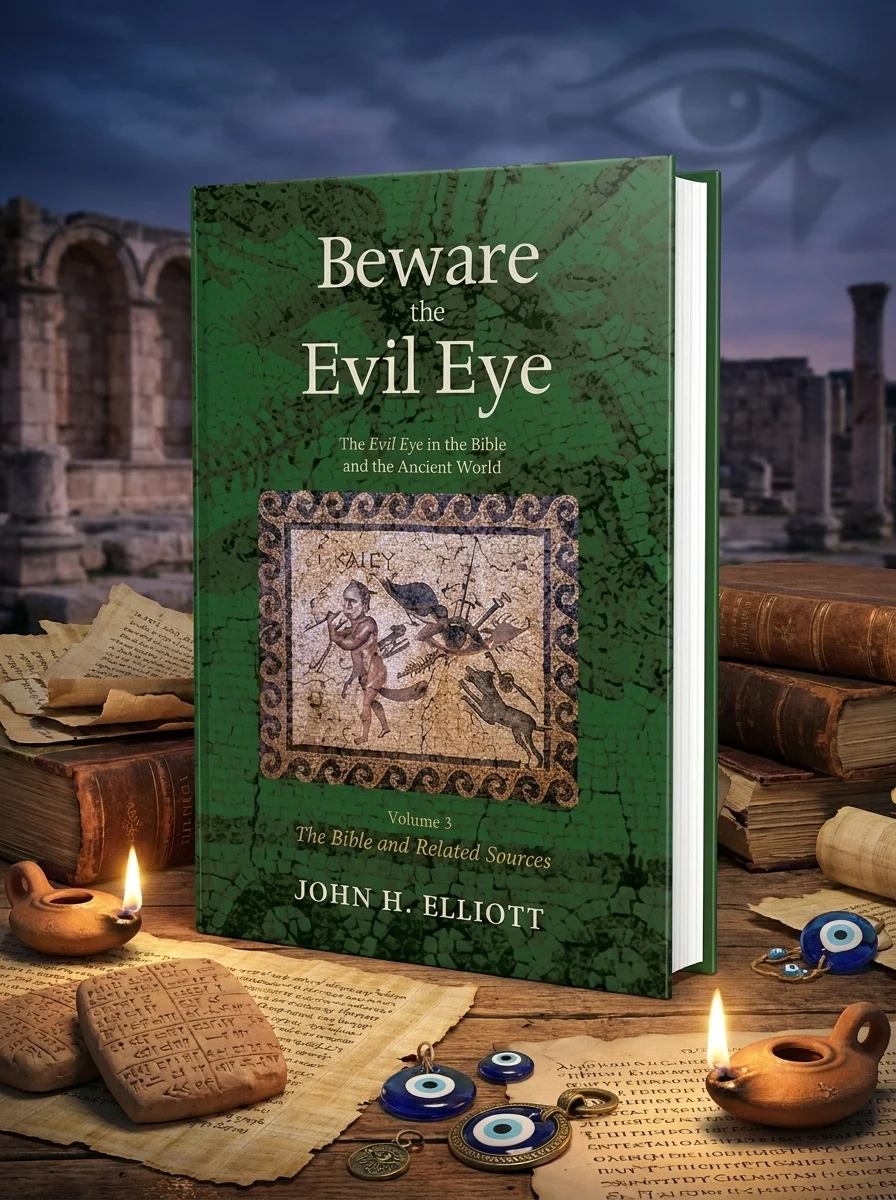
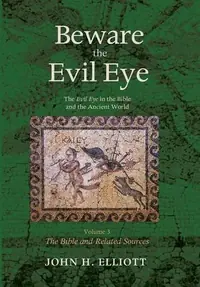
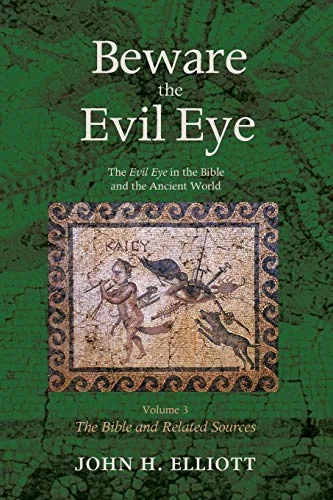
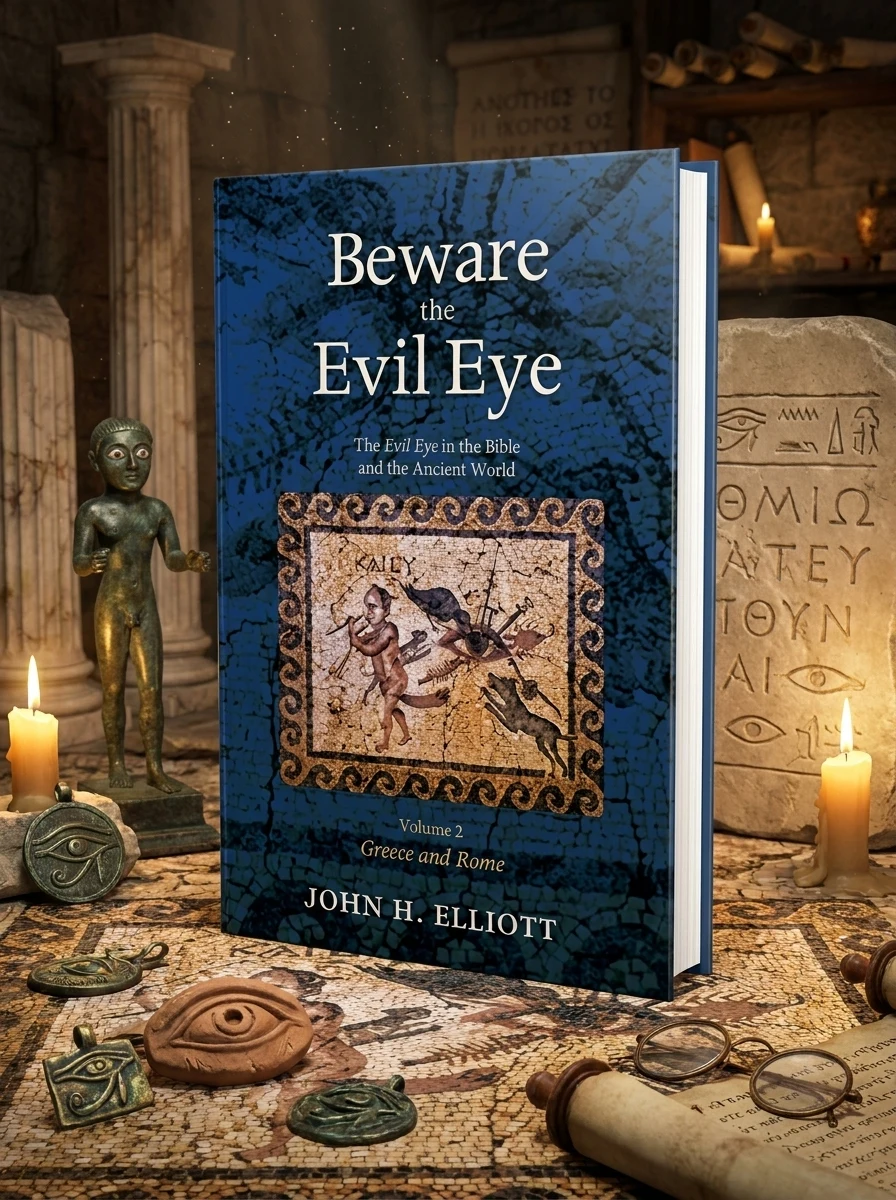
Beware the Evil Eye Volume 3: The Evil Eye in the Bible and the Ancient World--The Bible and Related Sources
Elliott, John HStock reported in the catalog; fulfillment is confirmed with your request.
Uncover the startling prevalence of the Evil Eye woven throughout the Bible and ancient Jewish texts.
This compelling volume meticulously unearths the pervasive concept of the Evil Eye across the Old Testament, its apocryphal writings, and the New Testament. Delving into numerous explicit and implicit references, author John H. Elliott reveals how this ancient belief system is integrated into sacred scriptures and early Christian thought. From the Septuagint to the Dead Sea Scrolls, and the teachings of Jesus and Paul, this work illuminates the historical continuity and unique nuances of the Evil Eye's presence, challenging conventional understandings of biblical anthropology and spiritual threats.
This scholarly work situates the concept of the Evil Eye within the rich tapestry of biblical studies and ancient Jewish literature, bridging the gap between religious scripture and esoteric folklore.


📝 Description: Beware the Evil Eye Volume 3: The Evil Eye in the Bible and the Ancient World--The Bible and Related Sources
💎 Expert review
📖 Why choose it
Why this book is worth reading
This volume is essential for the serious student of scripture who suspects that traditional interpretations often overlook the pervasive influence of ancient magical beliefs. Elliott meticulously traces the Evil Eye from the Old Testament through to the New, revealing how deeply embedded this fear was in the worldview of biblical authors. Readers fascinated by the intersection of theology and folk magic will find immense value in seeing how early Christians navigated these spiritual threats. It challenges conventional understandings of biblical anthropology, offering a fresh lens through which to view sacred texts. If you seek to understand the historical continuity of evil eye beliefs from Jewish apocrypha to Pauline teachings, this book provides the rigorous academic foundation necessary for such an inquiry.
⭐ Reader reviews
Reader rating
Elliott’s work is a dense, meticulous excavation of textual evidence that will undoubtedly satisfy specialists in biblical studies and ancient history. However, it is not suited for casual readers seeking accessible occult guides or practical advice on warding off curses. The text demands patience and a willingness to engage with complex theological arguments and historical analysis rather than mystical experiences. Those looking for straightforward esoteric practices may find the academic tone dry and overly focused on textual criticism. It is a scholarly contribution that illuminates the historical reality of ancient fears but does not serve as a devotional or practical manual for modern practitioners.
❓ Frequently asked questions
📖 Who should read this
If you're a serious student of biblical studies, ancient Near Eastern religions, or esoteric traditions, this scholarly work is for you. It offers fresh perspectives on familiar texts, challenging assumptions and enriching your understanding of the spiritual anxieties of the ancient world.
🎯 Key themes and symbolism
Biblical References Unveiled
This section meticulously catalogs and analyzes over two dozen explicit and implied mentions of the Evil Eye within the Old Testament, particularly the Greek Septuagint. It highlights verses from Deuteronomy, Proverbs, Sirach, and Tobit, demonstrating its consistent appearance and varying forms, thereby revealing a deeply embedded concern within sacred Jewish texts.
Ancient Jewish Context
The book expands beyond the canonical Bible to explore the Evil Eye's presence in significant Jewish writings like the Pseudepigrapha, Dead Sea Scrolls, and works by Philo and Josephus. This broader contextualization underscores how widespread and culturally ingrained the belief system was, influencing a diverse array of ancient Jewish thought and literature.
Early Christian Echoes
Elliott reveals that the Evil Eye was not absent from early Christian thought, citing its discussion by Jesus in the Gospels and its implicit presence in Paul's epistles. This continuity underscores its deep roots in the spiritual landscape of the era, illustrating how early followers of Jesus engaged with and understood this ancient, potent belief.
💬 Quotes from the book
“The persistence of the Evil Eye motif across disparate sacred texts underscores its foundational role in the spiritual anxieties of the ancient world.”
“Careful textual analysis reveals that seemingly innocuous phrases often carry the implicit weight of apotropaic concern against malevolent gazes.”
📜 Historical context
📚 Glossary
- Evil Eye
- Septuagint
- Pseudepigrapha
📔 Questions to reflect on
- How does recognizing the pervasive belief in the Evil Eye change your interpretation of specific biblical passages you thought you understood?
- Considering the ancient world's spiritual landscape, what parallels can you draw between the Evil Eye and modern-day anxieties about unseen negative influences?
- If the Evil Eye was so deeply integrated into biblical texts, how might this influence our understanding of early Jewish and Christian magical or protective practices?
✍️ More books by this author Elliott, John H
All books by this author →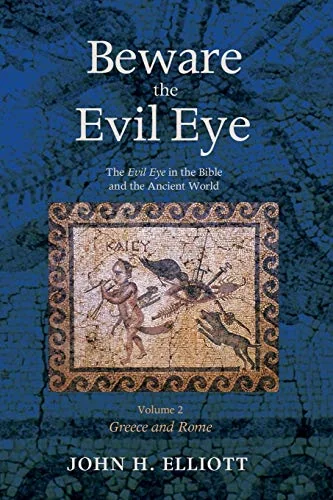
🏛 Books from this publisher Cascade Books
All books from this publisher →You might also like
See more →

 91
91

 91
91
 91
91