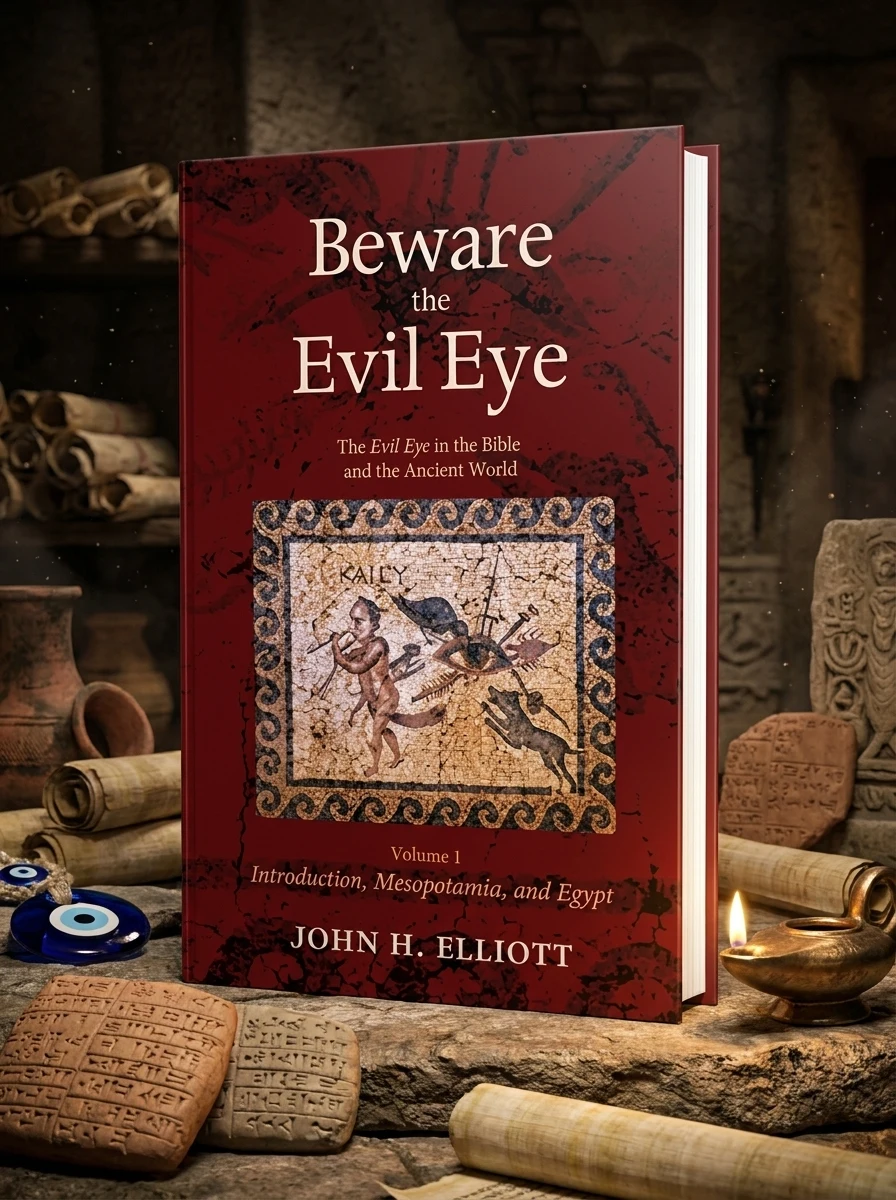
Beware the Evil Eye Volume 1
Elliott, John HStock reported in the catalog; fulfillment is confirmed with your request.
Uncover the ancient curse hidden within the sacred texts.
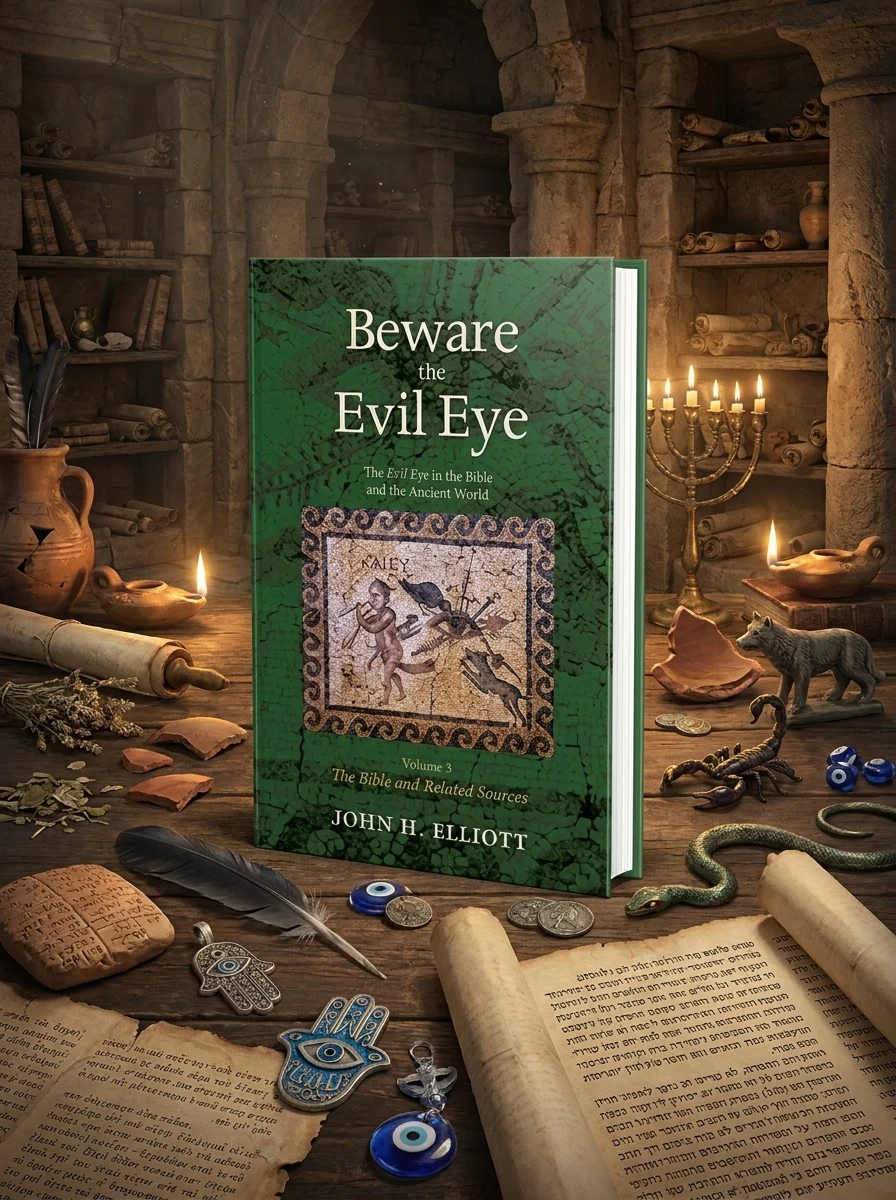
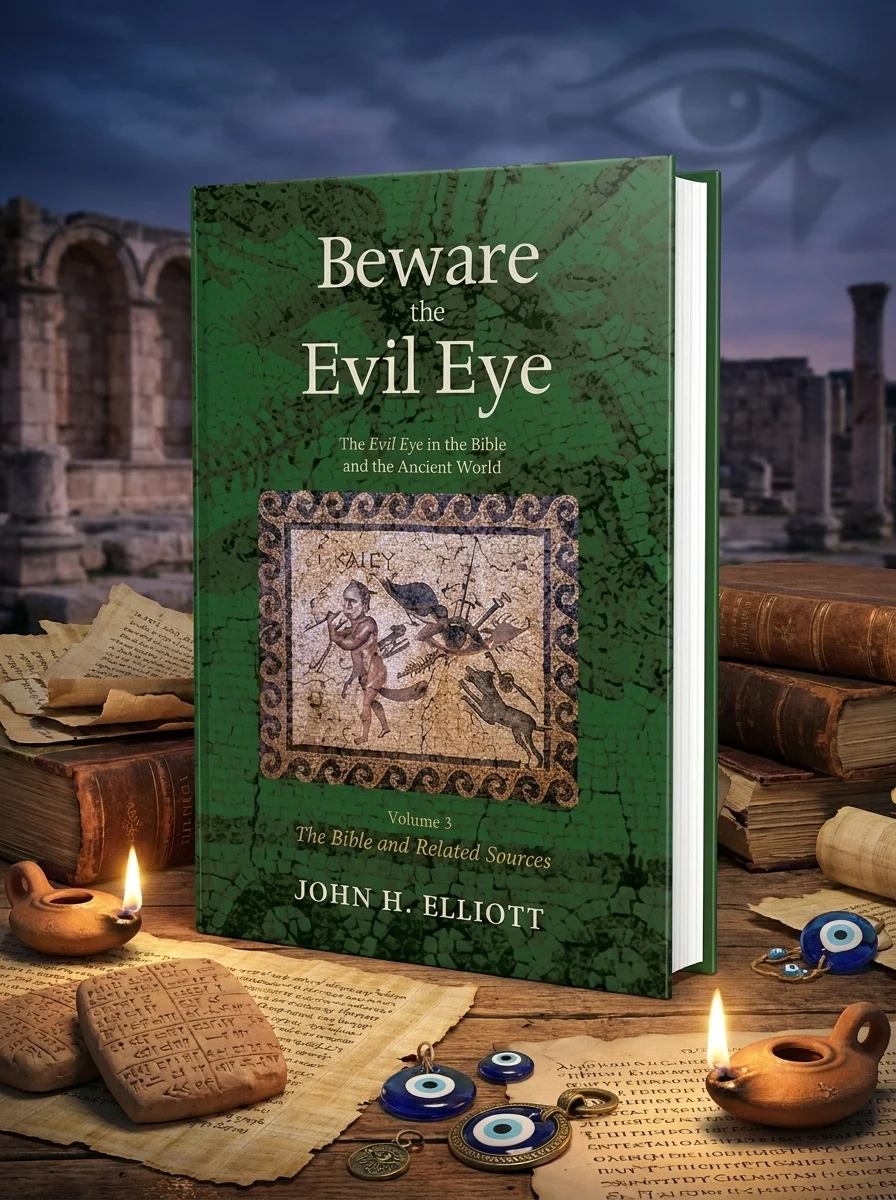
John H. Elliott masterfully unveils one of antiquity's most pervasive, yet often overlooked, superstitions: the Evil Eye. This compelling volume delves deep into its widespread presence across ancient cultures, tracing its historical roots and the extensive scholarly inquiry it has inspired. Crucially, Elliott exposes how numerous biblical passages, frequently obscured by modern translations, directly address this malevolent gaze, offering a fresh perspective on familiar scriptures and demonstrating its profound impact on early spiritual beliefs.
This work sits at the intersection of biblical scholarship and ancient superstition studies, exploring how the Evil Eye functioned as a pervasive spiritual force in antiquity. It bridges the gap between historical theology and folkloric belief systems prevalent in early spiritual communities.


📝 Description: Beware the Evil Eye Volume 1
💎 Expert review
📖 Why choose it
Why this book is worth reading
Readers seeking a deeper, more authentic understanding of biblical texts will find immense value in this volume. Elliott’s work is particularly beneficial for scholars and devout believers who feel that modern translations have obscured the original intent of sacred scriptures regarding malevolent influences. By tracing the historical roots of the Evil Eye superstition across ancient cultures, the book offers a fresh perspective on familiar passages. It appeals to those interested in the intersection of theology and folklore, providing clarity on how early spiritual beliefs were shaped by this pervasive fear. If you are frustrated by superficial interpretations of scripture and wish to uncover the hidden curses and protections embedded within ancient texts, this rigorous inquiry will satisfy your intellectual curiosity.
⭐ Reader reviews
Reader rating
Elliott provides a meticulous examination of the Evil Eye, exposing how biblical passages often obscured by modern translations directly address this malevolent gaze. While the scholarly depth is commendable for those interested in antiquity's spiritual landscape, this book is not for casual readers or those seeking quick, digestible summaries. It requires patience and an interest in dense historical analysis. Readers looking for practical spells or simple folklore anecdotes will likely find the extensive scholarly inquiry dry and overly academic. However, for serious students of early spiritual beliefs who want to understand the profound impact of this superstition on scripture, it is a necessary, albeit demanding, contribution to the field.
❓ Frequently asked questions
📖 Who should read this
If you're a seeker of hidden truths within sacred texts, a scholar of ancient cultures, or simply fascinated by the enduring power of human superstition, this meticulously researched work offers profound insights. Prepare to see the Bible and the ancient world through a startling new lens.
🎯 Key themes and symbolism
Biblical Obscurity Unveiled
Elliott meticulously demonstrates how modern scriptural renditions often gloss over or entirely omit the many references to the Evil Eye. He guides the reader through original Hebrew and Greek texts, revealing no fewer than twenty-four instances where this ancient belief explicitly appears, challenging conventional interpretations and enriching our understanding of biblical cultural contexts.
Ancient World's Fear
The book explores the ubiquitous nature of the Evil Eye across civilizations from the Near East to the Mediterranean. Elliott illustrates how this deep-seated fear of envious or malevolent glances permeated daily life, rituals, and protective practices, establishing it as a foundational aspect of ancient folk religion and magical thought.
Scholarly Unraveling
Beyond mere description, Elliott documents centuries of dedicated research into the Evil Eye phenomenon. He synthesizes vast academic works, offering readers a comprehensive overview of how scholars have attempted to decipher this enduring mystery, providing a robust intellectual framework for understanding its origins and persistence.
💬 Quotes from the book
“The subtle linguistic choices of later translators have often inadvertently sanitized the biblical narrative, stripping away overt references to a phenomenon that was undeniably central to the lived experience of its original audience.”
“From the protective amulets of Sumeria to the cautionary tales woven into Greco-Roman folklore, the fear of the malevolent gaze was a universal shadow, influencing everything from personal adornment to public policy.”
📜 Historical context
📚 Glossary
- Evil Eye
- Malignity
- Enigma
📔 Questions to reflect on
- How might our understanding of ancient texts, sacred or secular, change if we actively sought out the 'hidden' cultural beliefs embedded within them?
- Reflect on a modern superstition or cultural belief you've encountered. How does its persistence compare to the ancient fear of the Evil Eye?
- Consider the power of translation. How can different linguistic choices alter not just the meaning, but the perceived spiritual or cultural significance of a text?
✍️ More books by this author Elliott, John H
All books by this author →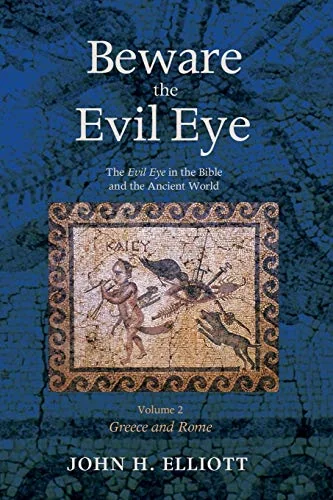
🏛 Books from this publisher Cascade Books
All books from this publisher →You might also like
See more →




 91
91