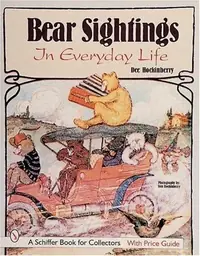
Bear Sightings: In Everyday Life Hockenberry, Dee
Stock reported in the catalog; fulfillment is confirmed with your request.
A whimsical tour of bear motifs adorning mundane objects, from vintage postage to modern tableware.
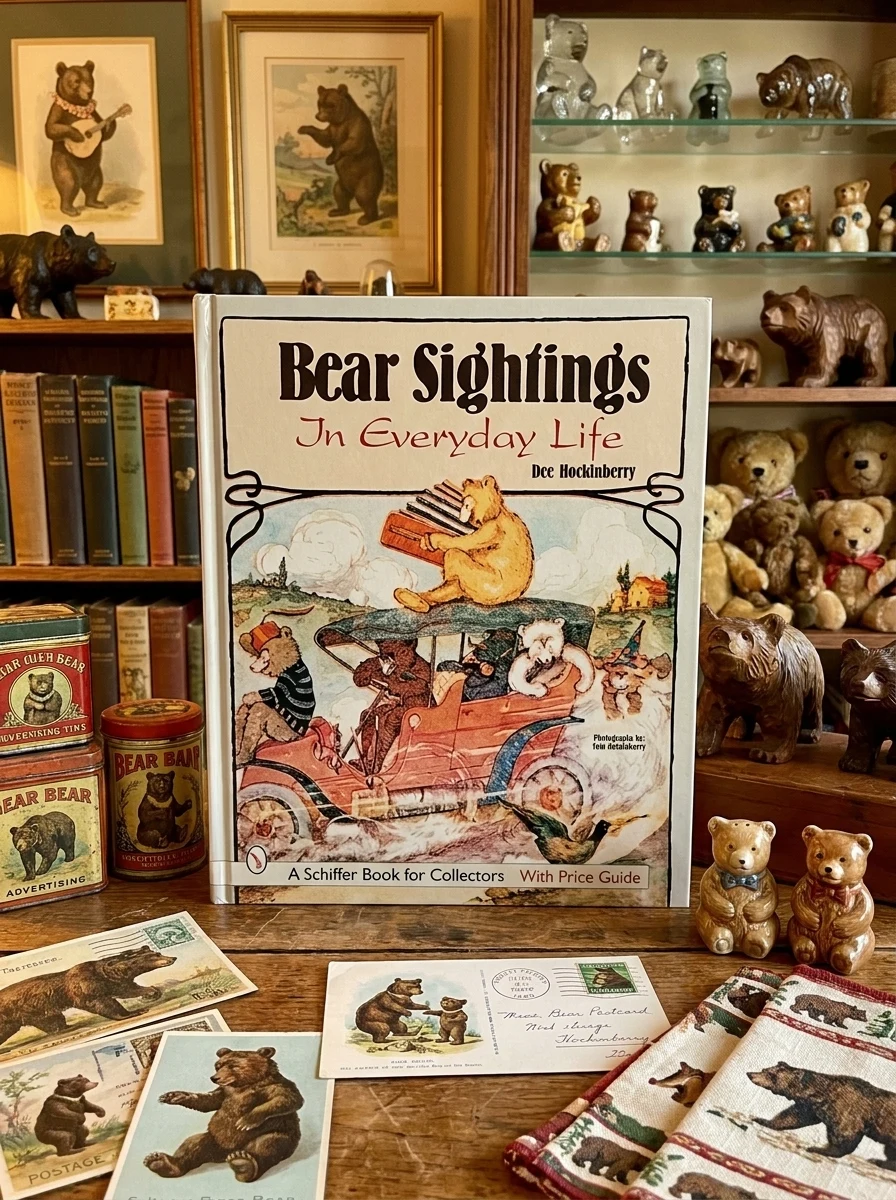
Dee Hockenberry curates a vibrant visual archive where the bear transcends its wild origins to inhabit the domestic sphere. This volume explores the ubiquity of ursine imagery across centuries, capturing everything from antique metalwork and ceramic tableware to contemporary textile designs. Each entry is meticulously dated and valued, offering collectors and curious observers alike a comprehensive guide to identifying these playful symbols in their daily environment. It is a celebration of how the bear has become a staple of decorative art.
This volume fits within the niche tradition of decorative arts history and folk art collecting, bridging the gap between academic cataloging and accessible visual appreciation for domestic motifs.


📝 Description: Bear Sightings: In Everyday Life Hockenberry, Dee
💎 Expert review
📖 Why choose it
Why this book is worth reading
Collectors of vintage tableware, textile enthusiasts, and those fascinated by the intersection of folklore and domestic decor will find this book delightful. Dee Hockenberry’s curation offers a whimsical yet informative tour, allowing readers to recognize bear motifs in their own surroundings with newfound appreciation. It serves as both a practical identification guide for identifying dated and valued pieces and a visual feast that celebrates the bear's transition from wild symbol to household staple. For anyone who enjoys spotting hidden patterns in everyday objects or has a soft spot for ursine imagery, this archive provides a charming lens through which to view history and design.
⭐ Reader reviews
Reader rating
While visually engaging, this book is strictly for those with an interest in decorative arts and collecting; it lacks the depth required for serious anthropological study of bear symbolism. Readers seeking rigorous academic analysis or historical narratives about wildlife conservation will find little substance here. It is a light, illustrative companion rather than a heavy tome. However, as a catalog of mundane objects adorned with ursine imagery, it succeeds in its specific goal. It is best suited for casual browsing and visual reference, offering no intellectual challenge but providing ample aesthetic pleasure for the right audience.
❓ Frequently asked questions
📖 Who should read this
Ideal for collectors of vintage toys, decorative arts enthusiasts, and anyone fascinated by the intersection of nature and design. It also appeals to those interested in the cultural history of symbols and their migration into everyday consumer goods.
🎯 Key themes and symbolism
Ursine Domesticity
The text examines how the bear, once a symbol of untamed nature, has been domesticated through art. It details the transition of bear imagery from folk tales and hunting trophies to comforting household items, reflecting humanity's desire to tame the wild through aesthetic appreciation and sentimental connection.
Material Diversity
Hockenberry highlights the varied mediums used to depict bears, including wood, glass, ceramics, and metal. This diversity demonstrates the bear's adaptability as a motif, appearing in both utilitarian objects and high art. The physical properties of each material influence the bear's portrayal, adding layers of tactile and visual interest to the collection.
Valuation and History
Beyond mere imagery, the book serves as a practical resource for collectors. By providing historical context and current market values for each item, it bridges the gap between academic interest and commercial collecting. This dual approach ensures the work is valuable for both those seeking knowledge and those looking to invest in or identify specific pieces.
💬 Quotes from the book
“Images of bears are found throughout the world on many objects in everyday life, from advertising and postage stamps to clothing and tablewares.”
“The intense popularity of stuffed toy Teddy Bears today has ignited the search for images of bears on antiques, in old books, and upon modern items.”
📜 Historical context
📚 Glossary
- Ursine Iconography
- Provenance
- Domestication of Motifs
📔 Questions to reflect on
- What bears have you encountered in your home, and what emotions do they evoke?
- How has the perception of the bear shifted from a symbol of danger to one of comfort in your lifetime?
- Which everyday object in your life might serve as a vessel for ursine imagery, and why?
🏛 Books from this publisher Schiffer Publishing
All books from this publisher →
 89
89






You might also like
See more → 91
91
 91
91

 91
91
 91
91
 91
91