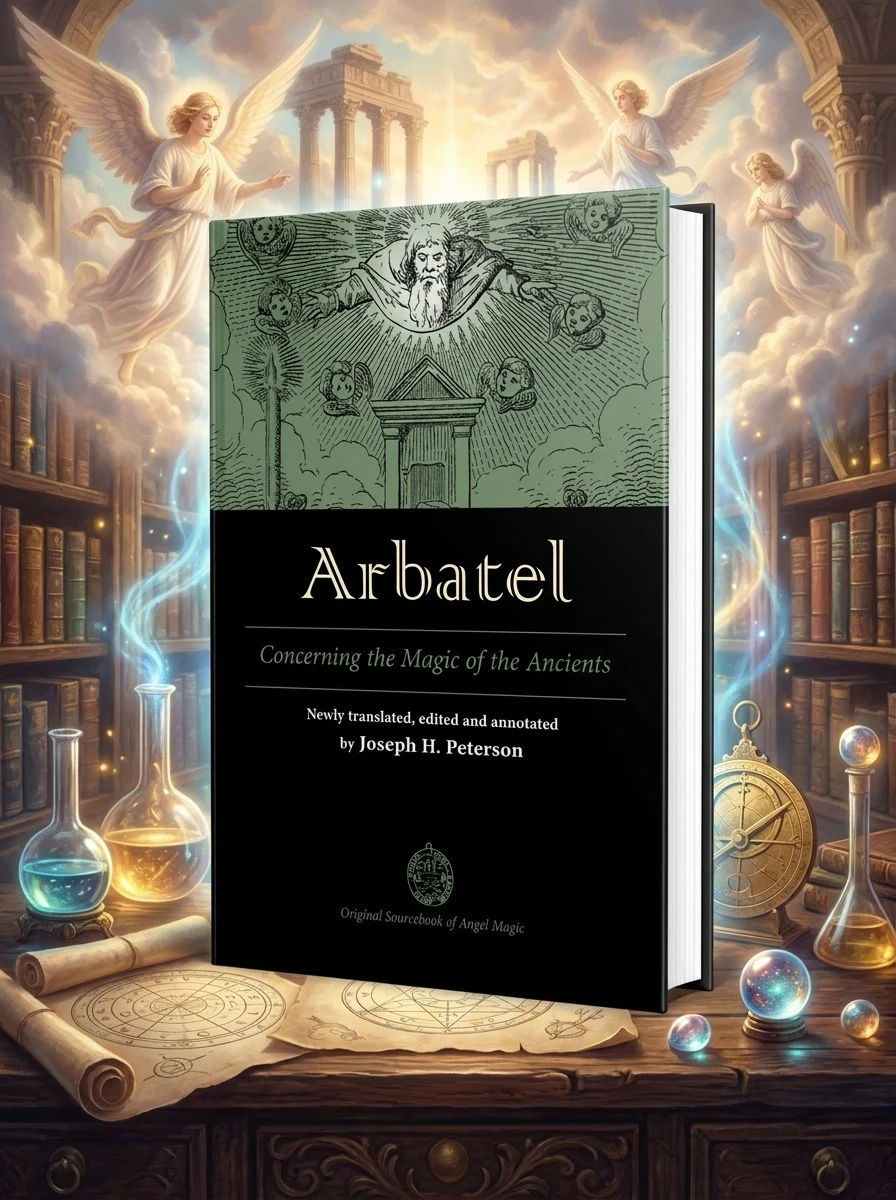
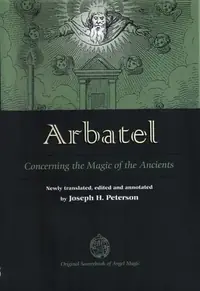
Arbatel: Concerning the Magic of the Ancients
Peterson, Joseph HStock reported in the catalog; fulfillment is confirmed with your request.
A luminous 1575 manual where high magic meets gentle wisdom, free from dark shadows.
This 1575 treatise stands apart in the esoteric canon for its clarity and elegance. It offers straightforward, undemanding instructions for invoking divine powers, yet transcends mere technique. The text urges practitioners toward gratitude, community service, and the wise use of time. It defines the magus not by power, but by attentive wonder. This edition features the original Latin, illustrations, and the first English translation since the seventeenth century, revealing a tradition of positive, philosophical magic that remains profoundly influential.
This 1575 treatise represents a distinct branch of the esoteric canon characterized by clarity and elegance, diverging from darker traditions to offer positive, philosophical magic. It bridges the gap between high ceremonial practice and gentle wisdom, emphasizing moral integrity alongside invocation.


📝 Description: Arbatel: Concerning the Magic of the Ancients
💎 Expert review
📖 Why choose it
Why this book is worth reading
Readers seeking a grounded, ethically sound approach to high magic will find profound value here. This text is ideal for those who feel alienated by the complexity or darkness often associated with ceremonial practices. The book offers straightforward instructions for invoking divine powers without demanding excessive rigor, making it accessible yet spiritually deep. Practitioners will appreciate its emphasis on gratitude, community service, and the wise use of time over mere technical prowess. It redefines the magus as one of attentive wonder rather than power, offering a refreshing, positive perspective that remains influential today. This edition is particularly valuable for those wanting to explore the original Latin context with clear translation.
⭐ Reader reviews
Reader rating
As someone who reads a lot in this field, I can be picky. You can tell why this work has endured. I found myself reading passages aloud just to sit with them. A few pages arrived with light corner wear, though nothing serious.
This exceeded my expectations. Challenging in places, but never needlessly obscure. Solid binding, decent paper — holds up to heavy use. A few pages arrived with light corner wear, though nothing serious. Recommended with reservations.
As someone who reads a lot in this field, I can be picky. Some sections stopped me cold in the best way. The historical context alone makes it worth the price.
Was skeptical at first. The symbolism is layered and generous to patient readers. Some chapters demand a slow, careful read, and that's exactly the point. The font runs small in the appendices. Good, with the caveats above.
This edition stands out in the esoteric canon for its remarkable clarity and elegance, offering a rare glimpse into positive philosophical magic. It provides undemanding instructions for invoking divine powers while urging moral development through gratitude and service. However, this book does not suit readers seeking complex ritual mechanics, dark ceremonial workings, or immediate supernatural manifestations. Those looking for dense Latin scholarship without translation may find the accessible approach lacking in academic rigor. It is best for those valuing ethical wisdom over technical obscurity. The inclusion of illustrations and historical context enhances its appeal for serious students interested in the gentle, luminous side of high magic that prioritizes inner wonder above external power.
❓ Frequently asked questions
📖 Who should read this
Seekers of classical magic who value clarity over complexity. Ideal for those interested in Renaissance esotericism, theological magic, and the intersection of spiritual practice with daily ethical living.
🎯 Key themes and symbolism
Divine Invocation
Practical Ethics
Attentive Wonder
💬 Quotes from the book
“The magus is one who pays attention, looking for the wondrous and miraculous.”
“It urges us to help our neighbors, be positive and grateful, and use time wisely.”
📜 Historical context
📚 Glossary
- Arbatel
- Gnostic Wisdom
- Magus
📔 Questions to reflect on
- How might your daily routine become a site of magical wonder through simple attention?
- In what ways can you integrate gratitude into your magical workings?
- What 'ancient' wisdom can you apply to modern ethical dilemmas?
✍️ More books by this author Peterson, Joseph H
All books by this author →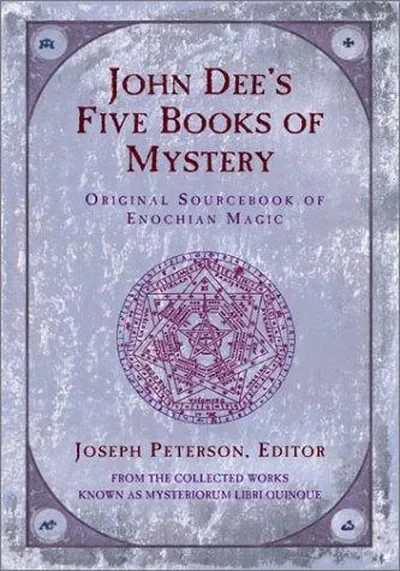
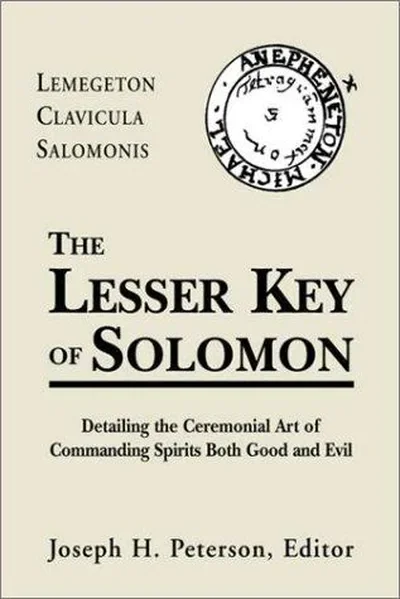
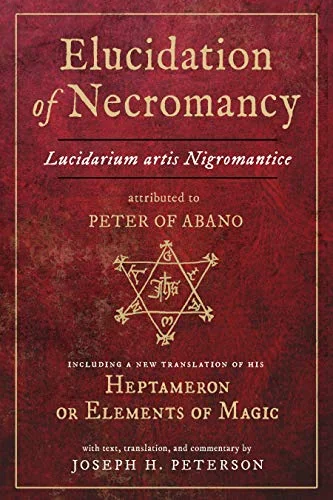
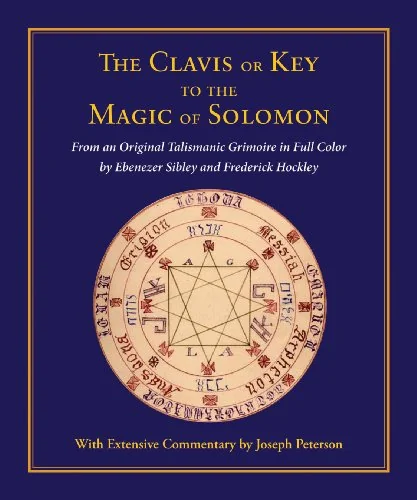
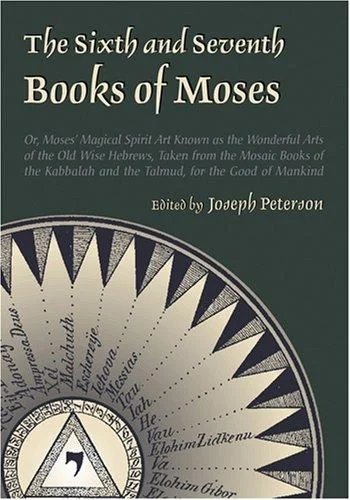
🏛 Books from this publisher Ibis Press
All books from this publisher →



 81
81


You might also like
See more →


 91
91
 91
91