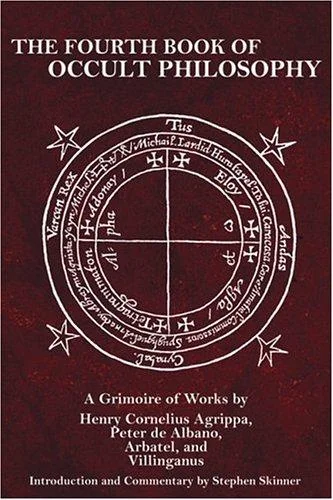
Fourth Book of Occult Philosophy
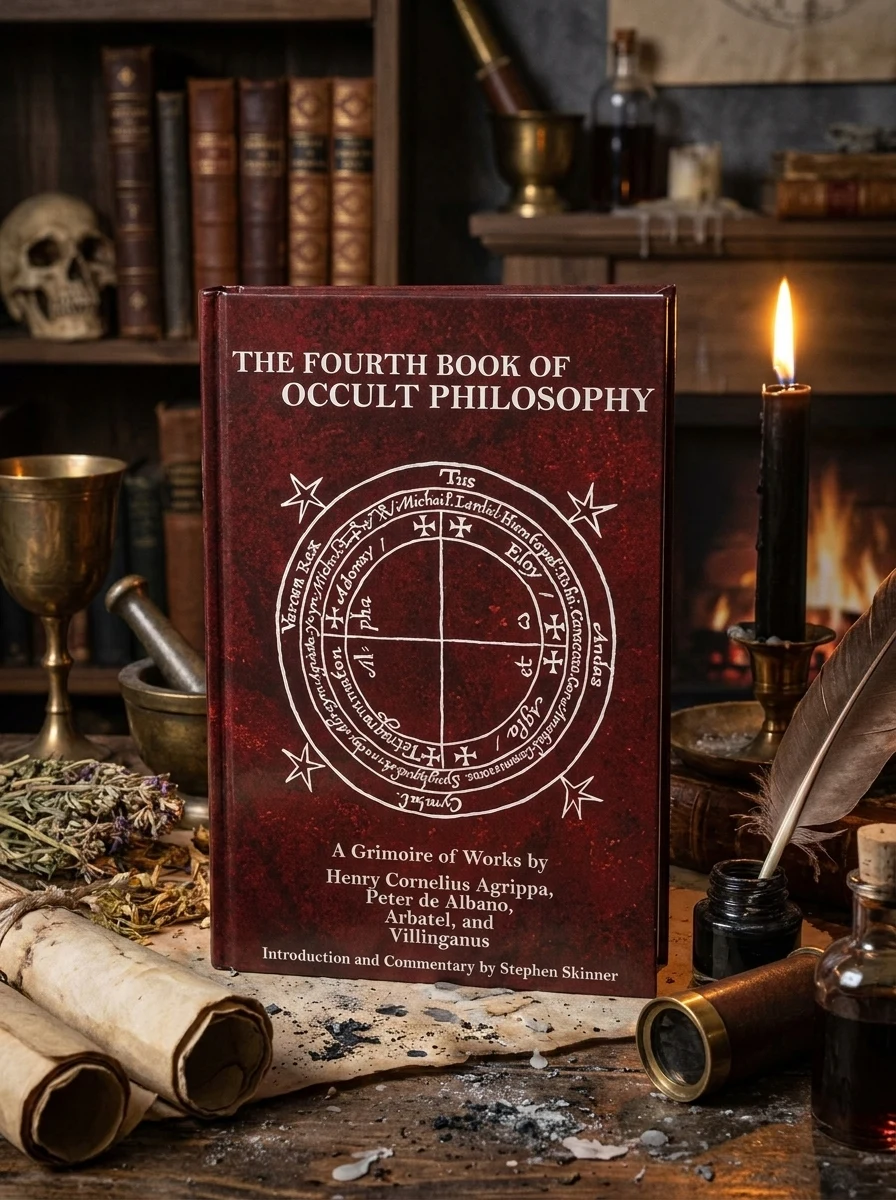
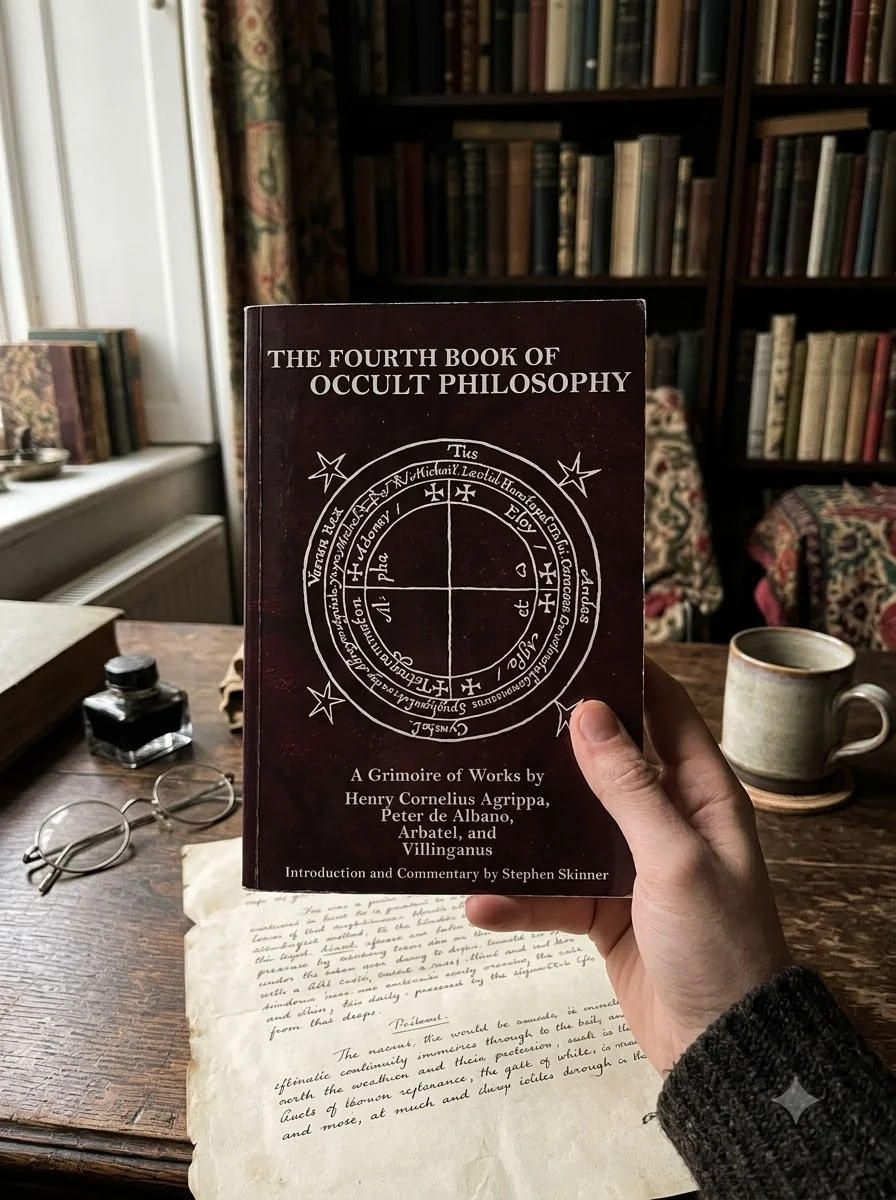
✍️ Von Nettesheim, Heinrich Cornelius Agrippa;, Skinner and 3 moreThis pivotal collection, the 'Fourth Book of Occult Philosophy,' is far more than a single text; it compiles six distinct works, two of which are authentic contributions from the renowned Heinrich Cornelius Agrippa. It offers crucial insight into Renaissance esotericism, presenting Agrippa's clearest formulation on magical ceremonies. Meticulously curated by modern scholars Skinner and Turner, this edition stands as a foundational text for understanding the evolution of Western magical practice, clarifying its complex history and practical application, and dispelling long-held misconceptions about its authorship.


📝 Description: Fourth Book of Occult Philosophy
💎 Expert review
📖 Why choose it
Why this book is worth reading
Scholars and serious practitioners of Western esotericism will find this compilation indispensable for its rigorous curation of six distinct works, including authentic contributions from Heinrich Cornelius Agrippa. By presenting Agrippa’s clearest formulations on magical ceremonies, the text dispels long-held misconceptions about authorship and clarifies the complex history of occult practice. Skinner and Turner’s meticulous editing ensures that readers gain accurate insight into Renaissance esotericism, making it a foundational resource for anyone seeking to understand the authentic foundations and practical applications of ceremonial magic without the noise of later distortions.
⭐ Reader reviews
Reader rating
This edition is a vital academic and practical tool for those dedicated to tracing the roots of Western magical practice. However, it does not suit casual readers or those seeking accessible, simplified guides to occultism. The text demands a scholarly approach to navigate its six distinct works and complex historical context. Readers looking for immediate, practical spellcraft without theoretical background may find the dense curation by Skinner and Turner too rigorous. It is best reserved for those prepared to engage deeply with the evolution of esoteric thought rather than seeking quick, superficial results.
❓ Frequently asked questions
📖 Who should read this
For serious students of esotericism, practitioners seeking historical context, and scholars of Renaissance thought, this collection offers unparalleled engagement with primary sources. If you crave clarity on foundational magical texts, this is an essential addition to your library.
🎯 Key themes and symbolism
Foundations of Western Magic
This volume is a cornerstone in the history of Western esoteric thought, profoundly influencing subsequent magical traditions. It compiles diverse perspectives that shaped occult philosophy, challenging prevailing misconceptions about its origins and authorship. Readers gain a direct encounter with the intellectual currents that defined Renaissance occultism, offering a vital link to its enduring legacy.
Practical Ceremonial Rites
A significant portion of this work, Agrippa's 'Of Magical Ceremonies,' offers a rare, systematic guide to ritual practice. Unlike more theoretical treatises, it outlines the specific steps and principles necessary for conducting magical operations. This practical orientation makes it an invaluable resource for students seeking to understand the mechanics and intent behind traditional ceremonial magick.
Dispelling Occult Myths
The collection directly addresses the long-standing misattribution of its contents, clarifying that while not solely Agrippa’s work, it is a legitimate anthology of six texts. This meticulous scholarship corrects historical inaccuracies, revealing the true composite nature of the 'Fourth Book' and its authentic connections to Agrippa's broader philosophical framework, distinguishing fact from legend.
📜 Historical context
📚 Glossary
- Occultism
- Ceremonial Magick
- Mysticism
📔 Questions to reflect on
- Consider how the historical context of the Renaissance shaped Agrippa's approach to magic and philosophy.
- Reflect on the distinction between theoretical magical knowledge and its practical, ceremonial application as outlined in the text.
- How might understanding the true authorship and compilation of this work change your perception of historical occult texts?