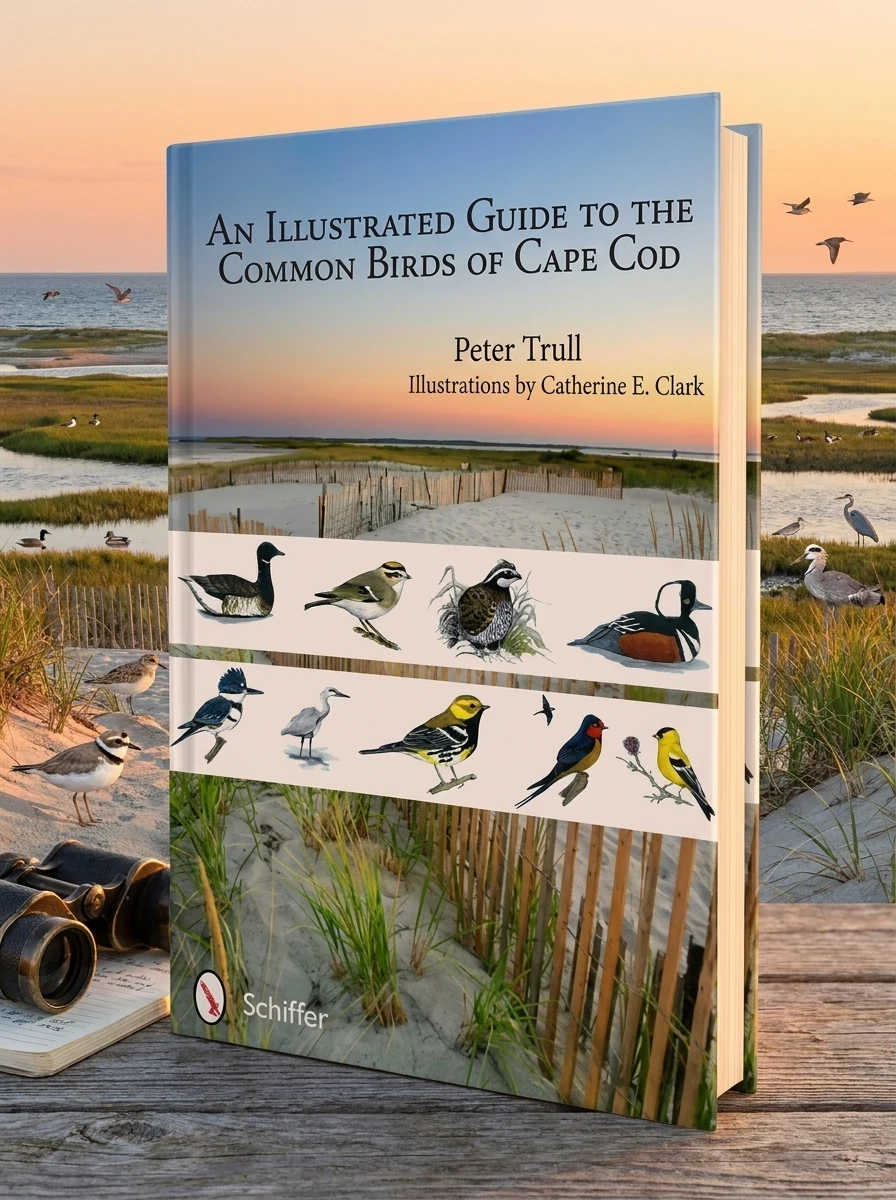
An Illustrated Guide to the Common Birds of Cape Cod
This edition can be ordered. No arrival date is confirmed.
A vibrant, illustrated map to the feathered spirits of Cape Cod's shifting landscapes.
This volume transcends the standard field guide by weaving over 140 vivid color plates with intimate ecological narratives specific to the Cape Cod region. It serves as both a visual compendium and a logistical compass, detailing precise habitats for more than 140 species. Beyond mere identification, the author curates six distinct ecological journeys—ranging from spring woodlands to the salt marshes—offering practical advice for observers of all ages. It is a tactile invitation to witness the avian rhythms of this unique peninsula.
This volume sits at the intersection of natural history literature and regional ecological study, reflecting a tradition of detailed field observation that appeals to those interested in the specific environmental narratives of coastal New England.


📝 Description: An Illustrated Guide to the Common Birds of Cape Cod
💎 Expert review
📖 Why choose it
Why this book is worth reading
Readers who cherish the quiet intimacy of nature observation will find deep resonance in this vibrant guide. It is not merely a tool for identification but a tactile invitation to witness the avian rhythms of Cape Cod’s unique peninsula. The six distinct ecological journeys offer a logistical compass for observers of all ages, weaving over 140 vivid color plates with intimate ecological narratives. Those who seek to understand the shifting landscapes through their feathered inhabitants will appreciate the practical advice and precise habitat details. It serves as both a visual compendium and a heartfelt companion for anyone wishing to connect more deeply with the natural world’s delicate balance in this specific coastal region.
⭐ Reader reviews
Reader rating
First purchase from this shop. A text you study rather than simply read. It pairs well with more modern commentaries on the same tradition.
While this book excels as a visual and logistical resource, it is strictly limited by its geographic scope. Readers seeking a global or even national overview of avian species will find the focus on Cape Cod too narrow for their needs. Additionally, those looking for rigorous scientific taxonomy or dense academic theory may find the narrative style too accessible and ecological rather than biological. It is best suited for casual observers and regional enthusiasts who value vivid illustration and habitat context over systematic classification. The book does not aim to replace comprehensive ornithological texts but rather complements them with a specific, place-based perspective that prioritizes observation and appreciation.
❓ Frequently asked questions
📖 Who should read this
Dedicated naturalists seeking regional specificity, novice observers craving structured guidance, and families desiring a shared, accessible introduction to the local wildlife. It appeals to those who value both artistic beauty and practical field logistics.
🎯 Key themes and symbolism
Ecological Zoning
The text meticulously segments the Cape into distinct biomes, teaching the reader to associate specific avian behaviors with precise environmental conditions. It transforms the landscape from a vague backdrop into a structured stage where habitat dictates presence, allowing for targeted and respectful observation of wildlife in their natural contexts.
Visual Taxonomy
Rather than dry scientific classification, the illustrations prioritize aesthetic clarity and behavioral nuance. Each plate captures the bird in motion or repose, providing immediate visual recognition cues that complement the textual data. This artistic approach bridges the gap between scientific accuracy and the emotional experience of witnessing nature's beauty.
Temporal Migration
The guide emphasizes the fluidity of avian presence, detailing how populations shift with the seasons. It highlights the transient nature of shorebirds and oceanic visitors, teaching the reader to anticipate life cycles. This temporal awareness turns birdwatching from a static hobby into a dynamic engagement with the changing rhythms of the year.
💬 Quotes from the book
“The tide reveals a different theater each day, where the shorebirds perform their ancient, rhythmic dance upon the wet sand.”
“To watch is to listen with the eyes, catching the fleeting grace of a wing against the gray horizon.”
📜 Historical context
📔 Questions to reflect on
- Which specific habitat on the Cape feels most alive to you, and what does its silence or sound tell you?
- How has your perception of a common bird changed after learning its seasonal migration patterns?
- What logistical barriers prevent you from visiting your favorite birding spot, and how might you overcome them?
🏛 Books from this publisher Schiffer Publishing
All books from this publisher →
 89
89







You might also like
See more →


 91
91
 91
91