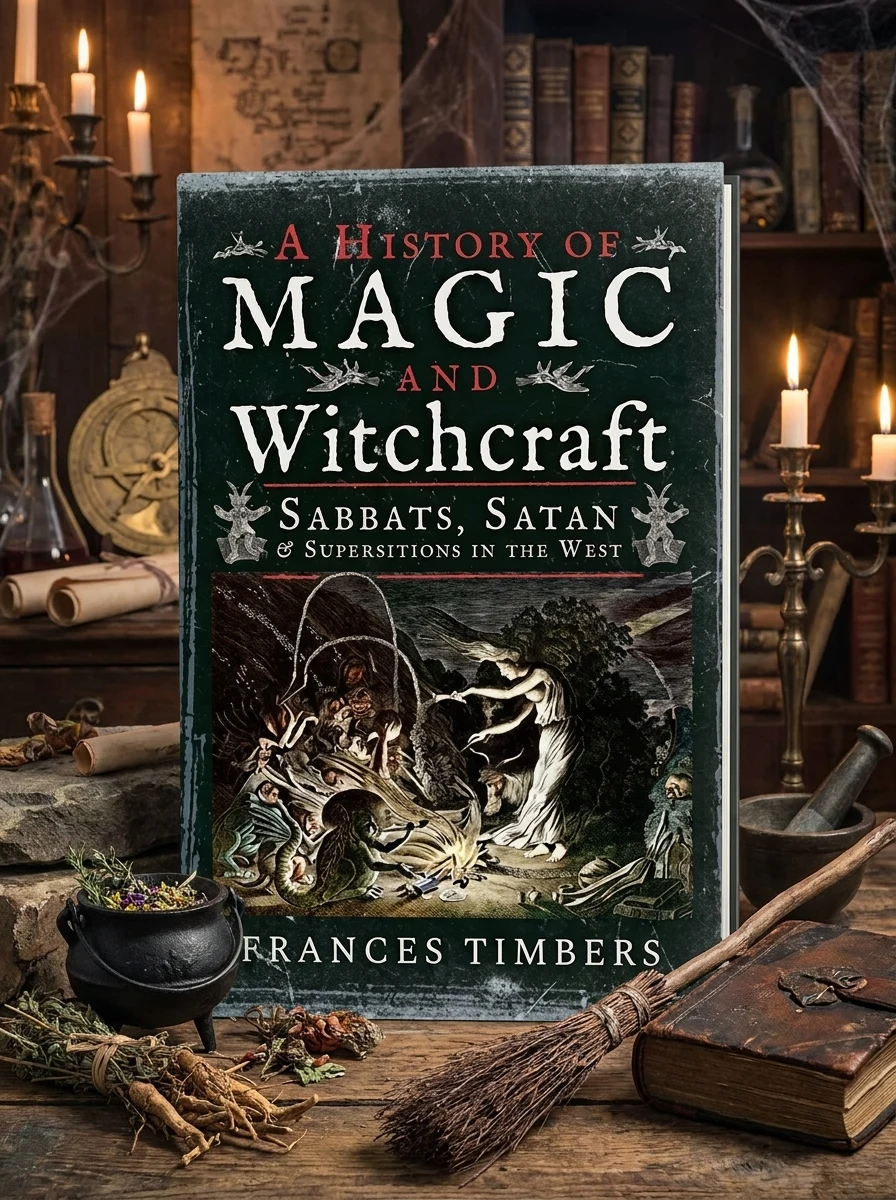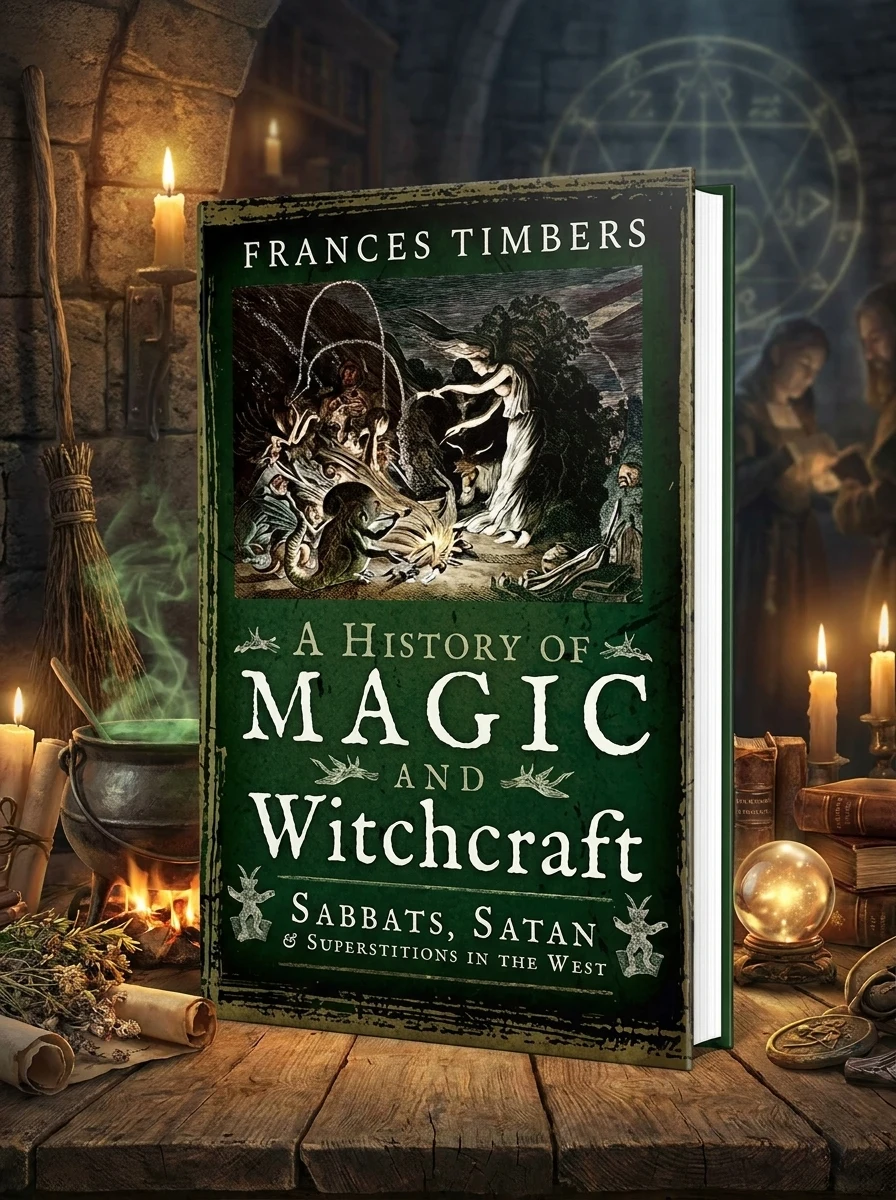
A History of Magic and Witchcraft: Sabbats, Satan and Superstitions in the West
Timbers, Frances

This edition can be ordered. No arrival date is confirmed.
Unravel history's arcane threads, exposing the true stories behind magic and witchcraft.
This compelling history delves into the complex origins of magic and witchcraft in the Western world, moving beyond popular misconceptions to reveal its authentic role in society. From ancient civilizations through the medieval period and early modern era, author Frances Timbers meticulously explores how Christian doctrine and evolving cultural narratives shaped perceptions of magic users. The book traces the development of demonology and ceremonial magic, ultimately connecting these historical currents to the rise of contemporary Wiccan and Neopagan practices, while illuminating how the 'witch' figure has served as a powerful symbol of societal oppression.
This volume sits firmly within the historiography of Western esotericism, bridging the gap between academic studies of demonology and modern pagan heritage. It serves as a critical resource for understanding the socio-political construction of witchcraft narratives in Europe.


📝 Description: A History of Magic and Witchcraft: Sabbats, Satan and Superstitions in the West
💎 Expert review
📖 Why choose it
Why this book is worth reading
Readers seeking to demystify the origins of contemporary Wiccan and Neopagan practices will find immense value in this text. It is ideal for those who wish to look past sensationalized myths to understand the authentic societal role of magic users throughout history. By tracing the evolution from ancient civilizations through the early modern era, the book helps readers grasp how Christian doctrine shaped our current perceptions. Those interested in the 'witch' as a symbol of oppression or anyone wanting to connect historical currents to modern spiritual movements will appreciate this comprehensive and illuminating perspective on arcane traditions.
⭐ Reader reviews
Reader rating
Frances Timbers offers a rigorous exploration of Western magical history, successfully disentangling fact from folklore. The work is particularly strong in connecting medieval demonology to modern Neopaganism. However, it may not suit readers seeking practical spellwork or immediate ritual guidance, as its focus remains strictly historical and analytical. Additionally, those preferring narrative-driven storytelling over sociological analysis might find the dense examination of cultural narratives dry. It is best suited for the intellectually curious who want a scholarly yet accessible overview of how societal pressures forged the modern image of the witch.
❓ Frequently asked questions
📖 Who should read this
You, the curious seeker eager to separate historical fact from fantastical fiction, will find this an indispensable guide. If you're fascinated by the origins of occult traditions or wish to understand how the "witch" became an enduring cultural icon, this book offers profound insights into Western thought and spirituality.
🎯 Key themes and symbolism
Deconstructing Witchcraft Myths
This book meticulously dismantles common folklore and pervasive notions surrounding magic and witchcraft, revealing the historical truths often obscured by superstition. It challenges modern assumptions, guiding readers to a more nuanced understanding of how these practices truly manifested in past societies, separating fact from widespread fantasy and popular culture narratives.
Tracing Arcane Traditions
From the mystical traditions of antiquity to the fervent persecutions of the Early Modern era, the text charts a comprehensive timeline of magical belief and practice. It highlights pivotal shifts in understanding, demonstrating how societal changes and religious doctrines continuously reshaped the concept of magic throughout Western history, leading to contemporary movements.
Oppression's Enduring Symbol
Beyond spells and rituals, the book powerfully illustrates how the figure of the 'witch' has historically functioned as a potent allegory for persecution and intolerance. It explores how fear, fanaticism, authoritarian impulses, and various religious and political ideologies have coalesced around this archetype, reflecting broader societal anxieties and power dynamics.
💬 Quotes from the book
“The 'witch' as a monstrous, broomstick-riding figure is a relatively late invention, born more from theatrical pamphlets than ancient spiritual practices.”
“Understanding the intricate dance between Christian dogma and local folklore is paramount to deciphering the true origins of European magical persecution.”
📜 Historical context
📚 Glossary
- Demonology
- Neopaganism
- Sabbath (Witchcraft)
📔 Questions to reflect on
- How might current societal fears or anxieties be creating new "witch figures" or scapegoats in our modern world?
- Reflect on a popular cultural portrayal of magic or witchcraft. How does it align with or diverge from the historical realities presented in this book?
- In what ways does understanding the historical oppression associated with witchcraft inform your view of contemporary spiritual movements like Wicca or Neopaganism?
✍️ More books by this author Timbers, Frances
All books by this author →
🏛 Books from this publisher Pen and Sword History
All books from this publisher →You might also like
See more →