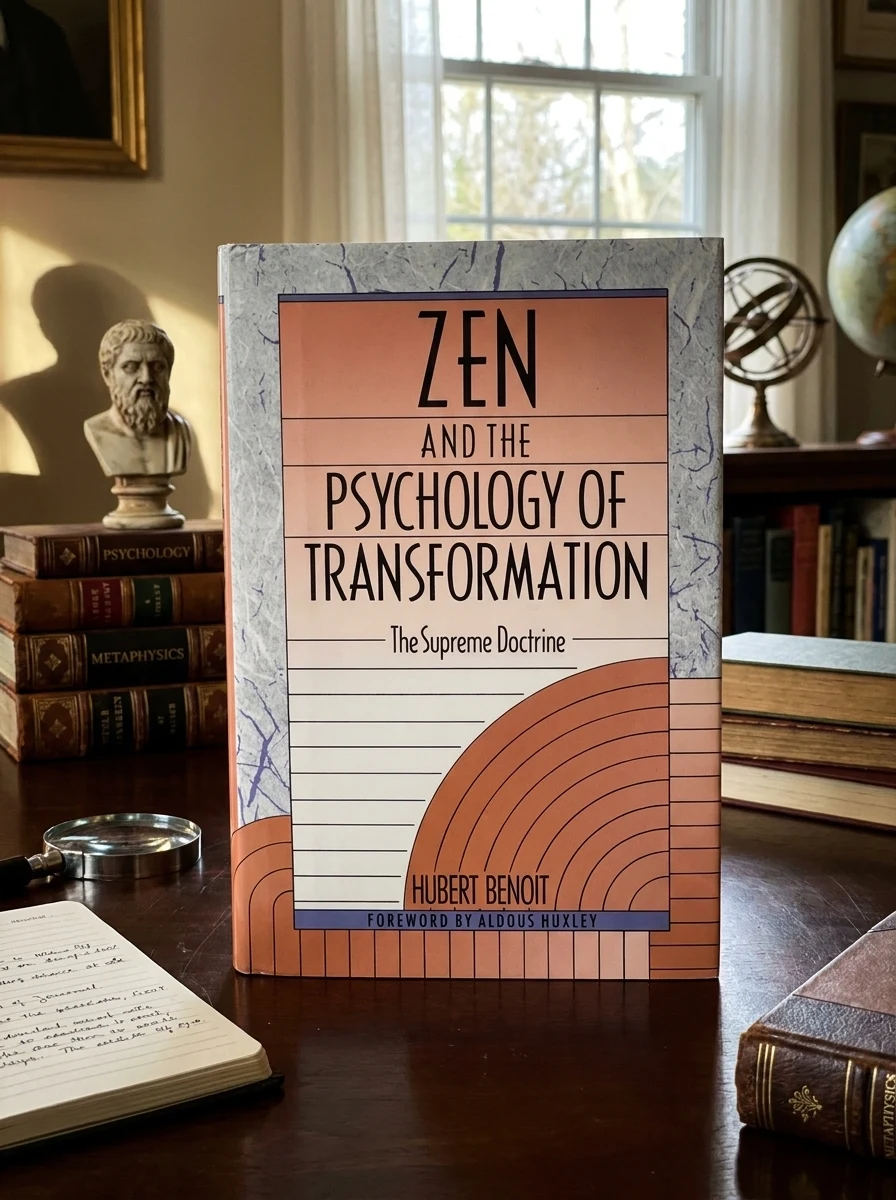
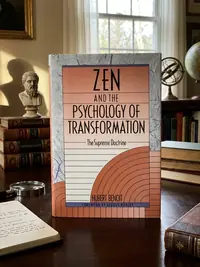
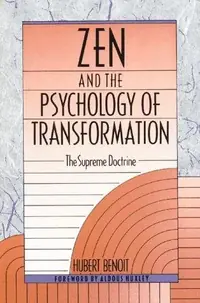
Zen and the Psychology of Transformation: The Supreme Doctrine (Revised)


This edition can be ordered. No arrival date is confirmed.
Uncover profound self-realization by merging Zen wisdom with deep psychological insight.
Hubert Benoit's seminal work masterfully bridges the ancient wisdom of Zen Buddhism with the profound depths of Western psychological understanding. This revised edition invites readers to embark on a transformative journey, addressing life's most fundamental questions not through external doctrines, but through rigorous self-inquiry. It offers a unique framework for reconciling the conscious and unconscious aspects of the self, guiding individuals toward a state of genuine psychological and spiritual liberation. Benoit's insights illuminate the path to transcending conventional limitations and experiencing true inner freedom.
This work sits at the intersection of Eastern Zen philosophy and Western depth psychology, representing a mid-to-late twentieth-century synthesis of contemplative traditions with analytical frameworks for self-understanding. It reflects the era's growing interest in integrating spiritual liberation with psychological integrity.


📝 Description: Zen and the Psychology of Transformation: The Supreme Doctrine (Revised)
💎 Expert review
📖 Why choose it
Why this book is worth reading
Readers seeking a rigorous path to genuine inner freedom will find profound value in this text. It is ideal for those who feel disconnected from external doctrines and crave a method of self-realization rooted in direct inquiry. Those interested in reconciling their conscious and unconscious minds will appreciate Benoit’s unique framework. The book serves as a guide for individuals ready to transcend conventional limitations through deep psychological insight. It appeals to seekers who want more than mere comfort, offering instead a transformative journey toward spiritual liberation. If you desire a synthesis of Zen wisdom and psychological depth to address life's fundamental questions, this revised edition provides the necessary tools for enduring change.
⭐ Reader reviews
Reader rating
Benoit offers a compelling, albeit dense, bridge between Zen Buddhism and Western psychology. The revised edition clarifies his seminal arguments regarding self-inquiry and the reconciliation of the self. However, readers seeking quick fixes or dogmatic religious guidance will find little here; this is not a book for those unwilling to engage in rigorous intellectual and spiritual labor. It demands active participation rather than passive consumption. While the insights are illuminating, the abstract nature may alienate casual readers. It suits only those prepared for a challenging, non-dogmatic exploration of consciousness without the crutch of traditional religious structures.
❓ Frequently asked questions
📖 Who should read this
If you are a serious seeker grappling with existential questions, yearning for a profound understanding of self, and ready to merge intellectual rigor with spiritual practice, this book is for you. It challenges and guides those prepared for deep introspective work.
🎯 Key themes and symbolism
Zen's Core Teachings
Benoit meticulously distills the profound philosophical underpinnings of Zen Buddhism, extending beyond mere meditative practices. He explores the nature of enlightenment, the concept of non-duality, and the direct experience of reality, rendering complex spiritual concepts accessible. This book emphasizes Zen as a path to direct insight into the fundamental nature of existence.
Psychological Integration
The author ingeniously weaves Western psychological principles into the fabric of Zen thought, demonstrating how a deep understanding of the psyche is crucial for spiritual advancement. He addresses internal conflicts, unconscious conditioning, and the ego's role in hindering true awareness, offering a framework to harmonize conscious and unconscious aspects for holistic growth.
Personal Awakening
At its heart, this work serves as a guide for profound personal transformation. Benoit outlines a systematic approach to transcend limiting beliefs and habitual patterns, leading the reader towards genuine freedom and self-realization. It is a call to embody higher states of consciousness, moving beyond intellectual understanding to lived experience and authentic awakening.
💬 Quotes from the book
“The true awakening begins not in seeking answers outside, but in fearlessly observing the questions within.”
“To transform is to cease identifying with the dream and embrace the reality of the dreamer's absolute consciousness.”
📜 Historical context
📚 Glossary
- Zen
- Transformation
- Psychology
📔 Questions to reflect on
- How do my ingrained psychological patterns hinder my understanding of 'reality' as described by Zen principles?
- Reflect on a moment of 'sudden insight' or clarity you've experienced. How did it challenge your previous assumptions about yourself or the world?
- Consider the interplay between conscious intention and unconscious resistance in your personal growth journey. Where do you feel the most friction?
🏛 Books from this publisher Inner Traditions International
All books from this publisher →





You might also like
See more →