Witchcraft and Trials for Witchcraft in Fife;Examples of Printed Folklore
Simpkins, John EwartStock reported in the catalog; fulfillment is confirmed with your request.
Unearth the grim history of Scotland's witch trials, centered in the brutally affected region of Fife.
Step into the chilling past of 16th to 18th-century Scotland with this meticulous examination of the witchcraft trials that ravaged Fife. This comprehensive volume uncovers the tragic narrative of an estimated 380 individuals, predominantly women, who faced accusations of sorcery. It reveals the appalling mechanisms of persecution, from the initial accusations to the horrific torture and execution that marked one of Scotland's darkest historical chapters. A crucial work for understanding the societal anxieties and brutal injustices of the period.
This volume serves as a critical historical record within the study of early modern Scottish legal history and the tragic sociological phenomenon of witchcraft persecution. It anchors itself in the specific regional context of Fife, offering a localized lens on the broader European wave of witch-hunting.


📝 Description: Witchcraft and Trials for Witchcraft in Fife;Examples of Printed Folklore
💎 Expert review
📖 Why choose it
Why this book is worth reading
This book is an essential resource for historians and true crime enthusiasts interested in the brutal mechanics of justice during Scotland's darkest era. Readers seeking to understand the societal anxieties that fueled these persecions will find profound value in its meticulous examination. It provides a necessary, unvarnished look at the tragic narrative of approximately 380 individuals, predominantly women, who suffered under accusations of sorcery. By detailing the appalling mechanisms from initial accusation to execution, it offers deep insight into historical injustices. Those committed to preserving the memory of these victims and analyzing the legal frameworks that enabled such cruelty will gain a comprehensive understanding of this grim chapter in Fife’s past.
⭐ Reader reviews
Reader rating
Simpkins delivers a rigorous, albeit harrowing, account of the witchcraft trials in Fife, focusing on the systematic persecution of approximately 380 people. The text is valuable for its detailed uncovering of the tragic narratives and the specific legal mechanisms used against the accused. However, readers seeking narrative flair or sympathetic characterization may find the tone excessively clinical and grim. It is not suited for those looking for light reading or speculative folklore rather than documented historical tragedy. This work demands a strong stomach and an interest in serious legal history, failing to entertain with its focus on horror and bureaucratic cruelty.
❓ Frequently asked questions
📖 Who should read this
If you're drawn to the shadowed corners of history, intrigued by the origins of social panic, or seeking to understand the deep-seated injustices of the past, this book is for you. It offers a vital perspective on human credulity and persecution.
🎯 Key themes and symbolism
Scotland's Witch Hunts
Explore the unique intensity of the Scottish witch trials, distinguishing them from their European counterparts. This book sheds light on the legal frameworks, social pressures, and religious fervor that fueled the widespread persecution across the nation, highlighting the specific regional variations and the severity in Fife.
Gender and Persecution
Delve into the stark reality that the vast majority of those accused and condemned were women. The text meticulously details the societal roles, vulnerabilities, and prejudices that made women disproportionately targets of accusations, offering a poignant look at gendered violence within historical injustice.
Fife's Dark Legacy
Discover why Fife bore the brunt of Scotland's witch hysteria, experiencing more accusations and executions than any other region. This volume provides a granular study of the local dynamics, specific cases, and community anxieties that escalated the trials to unprecedented levels of brutality within this ancient county.
💬 Quotes from the book
“The meticulous documentation of interrogations reveals not only the fervent belief in maleficia but also the systemic pressures applied to extract confessions, often under duress.”
“Analysis of the accused demographics consistently points to an overwhelming preponderance of women, reflecting deeply ingrained societal anxieties about female power and deviance.”
📜 Historical context
📚 Glossary
- Witchcraft
- Sorcery
- Fife
📔 Questions to reflect on
- How do historical narratives of persecution, like the Fife witch trials, inform our understanding of contemporary social anxieties and scapegoating?
- Reflect on the role of fear and misinformation in shaping public opinion and legal outcomes during periods of intense social upheaval. Can you identify similar patterns today?
- Considering the gendered nature of these trials, what insights does this history offer regarding power dynamics and the vulnerability of marginalized groups?
✍️ More books by this author Simpkins, John Ewart
All books by this author →
You might also like
See more →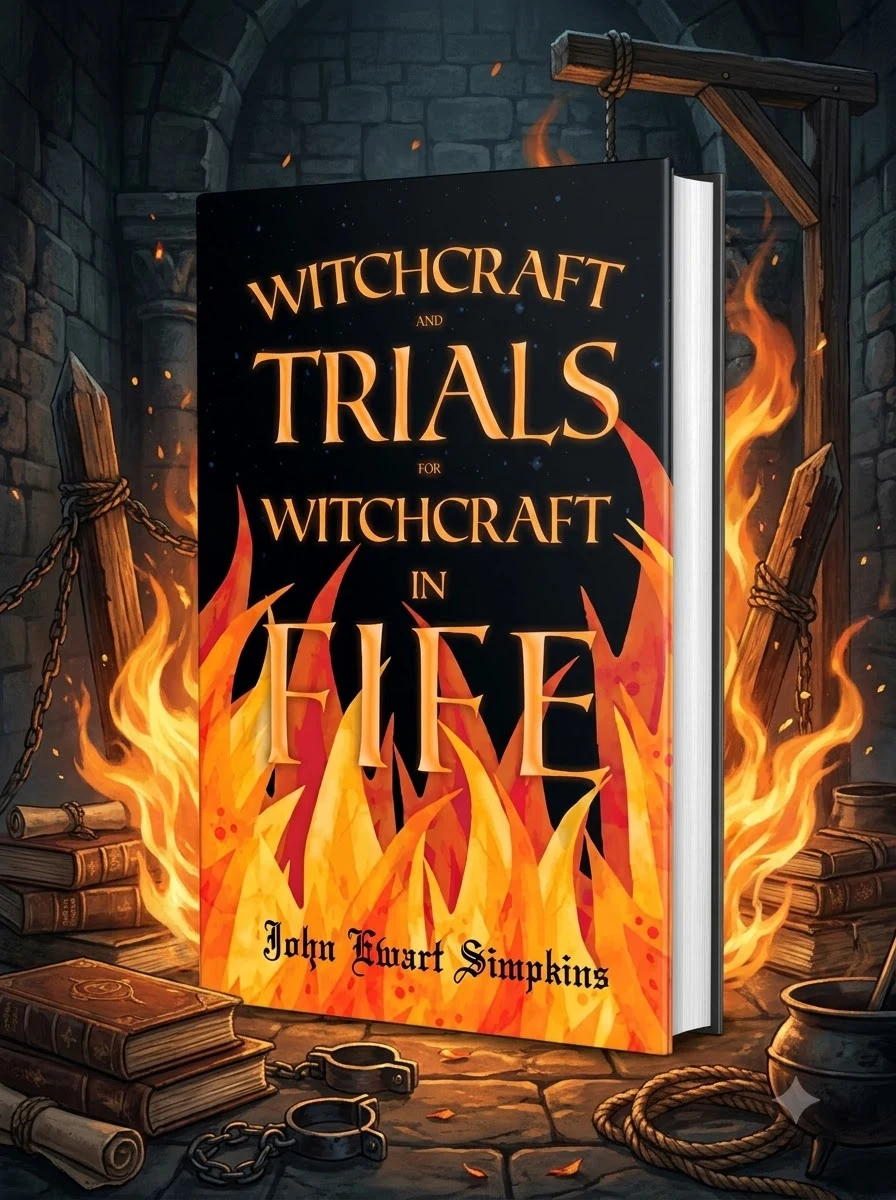

 91
91
 91
91