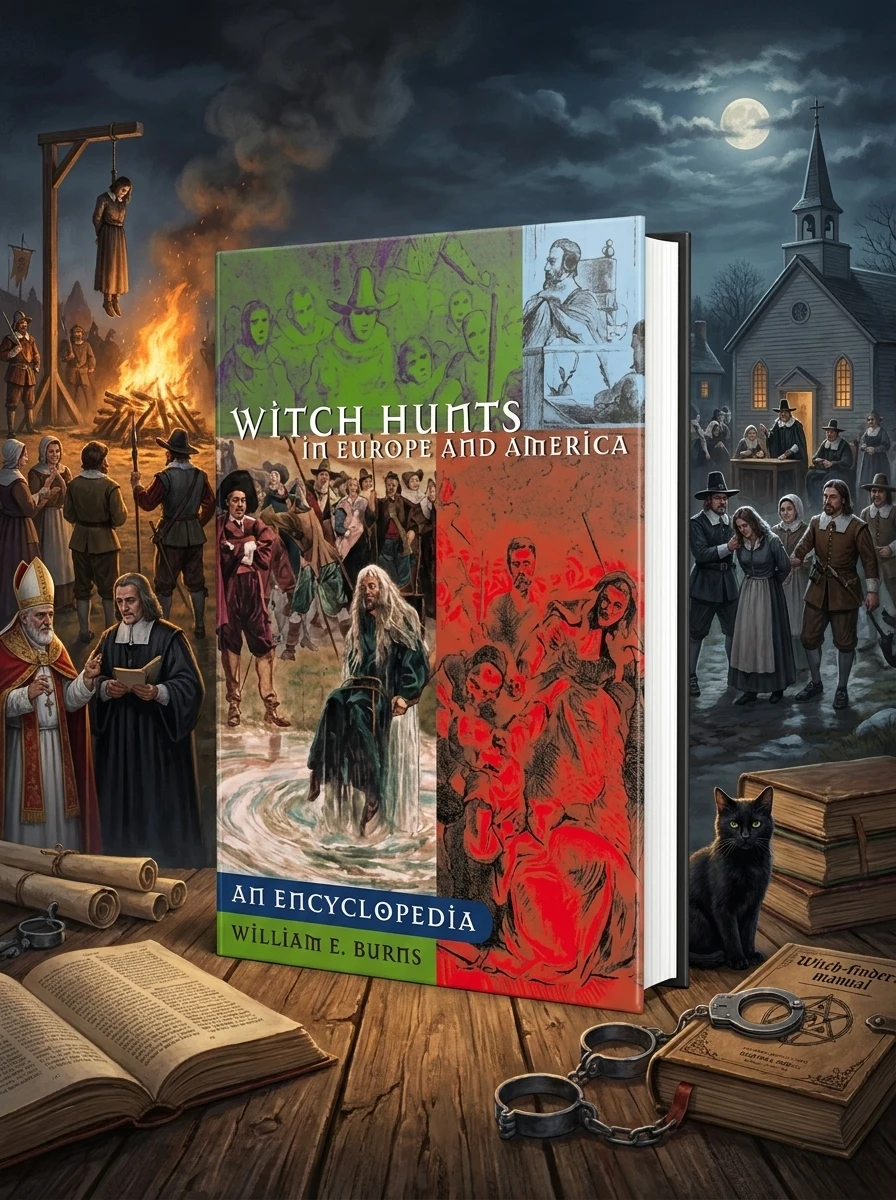
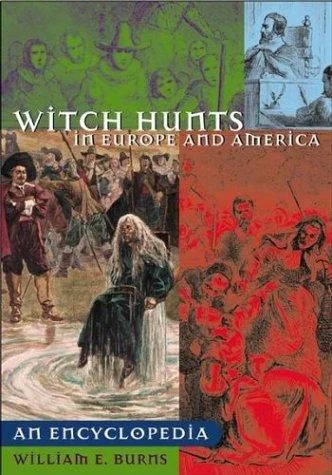
Witch Hunts in Europe and America: An Encyclopedia
Journey through the harrowing centuries of European and American witch hunts, from 14th-century accusations in French courts to the final executions of the late 18th century. This comprehensive volume meticulously details individual country histories, landmark trials like Salem and Chelmsford, and pivotal figures, both accusers and accused. Explore specific facets such as the 'evil eye,' familiars, and witch-finders, alongside scholarly interpretations that illuminate early modern perceptions. An indispensable guide to understanding the profound impact of these events on society, law, and culture.


Praise for this book
“Witchcraft, once regarded as a marginal and unimportant subject by the generality of mainstream historians, is now established as a theme of major historical signficance. Witchcraft touches on the theology of late medieval and early modern Europe, European judicial systems, and hence the processes of state-formation over that period, the changing nature of village communities, the scientific and medical ideas of the…”
📝 Description: Witch Hunts in Europe and America: An Encyclopedia
💎 Expert review
📖 Why choose it
Why this book is worth reading
Scholars, historians, and serious students of occultism will find immense value in this exhaustive encyclopedia. It offers a meticulously detailed map of the harrowing centuries of fear and persecution, moving beyond sensationalism to provide rigorous analysis. Readers seeking to understand the profound impact on society, law, and culture will appreciate the coverage of landmark trials and pivotal figures. It is an indispensable guide for those who wish to comprehend the specific facets of witch-hunting, from familiars to the 'evil eye,' providing a necessary foundation for any deep study of this dark chapter in human history.
⭐ Reader reviews
Reader rating
Burns delivers a comprehensive, albeit dense, reference work that prioritizes historical accuracy over narrative flow. While it stands as an authoritative resource for understanding the mechanics of persecution and specific regional histories, it is not suited for casual readers seeking a dramatic or accessible storytelling experience. Those looking for lighthearted witchcraft lore or modern Wiccan practice guides will likely find this text too academic and grim. It demands patience and a willingness to engage with scholarly interpretations rather than myth-making.
❓ Frequently asked questions
📖 Who should read this
If you are captivated by the historical intersection of fear, belief, and justice, or seek to understand the profound cultural impact of witchcraft accusations, this book is essential. Dive into a meticulously researched account that clarifies the complex forces at play during these tumultuous periods.
🎯 Key themes and symbolism
A Sweeping Historical View
This encyclopedia masterfully traces the evolution of witch persecution, from early 14th-century trials linked to papal decrees, through the intense Early Modern era, culminating in the last documented executions of the late 18th century across Europe and the Americas.
Societal and Cultural Echoes
The text reveals how witchcraft beliefs permeated every aspect of early modern life, influencing major historical shifts like the Reformation and Scientific Revolution. It examines the intertwining of these beliefs with politics, legal systems, medicine, and daily culture, demonstrating how witch hunts were deeply embedded societal phenomena.
Key Concepts and Figures
This volume illuminates specific elements of witch-hunting, such as the perceived power of the evil eye, the role of animal familiars, and the methods of professional witch-finders. It also profiles significant individuals, from notorious accused witches to zealous persecutors, providing a human face to these often-abstract historical events.
📜 Historical context
📚 Glossary
- Familiar
- Evil Eye
- Witch-finder
📔 Questions to reflect on
- How do historical accounts of witch hunts inform our understanding of present-day moral panics or scapegoating?
- In what ways did the legal and societal structures of the early modern period facilitate or hinder accusations of witchcraft?
- Considering the enduring fascination with witches in modern culture, what lessons can be drawn from the historical realities presented in this work?
📖 Read on the blog
🏛 Books from this publisher Greenwood
All books from this publisher →


You might also like
See more →
Have a question about this item?
Ask about the edition, condition, delivery or anything else — we reply by email or phone, usually within a day.
