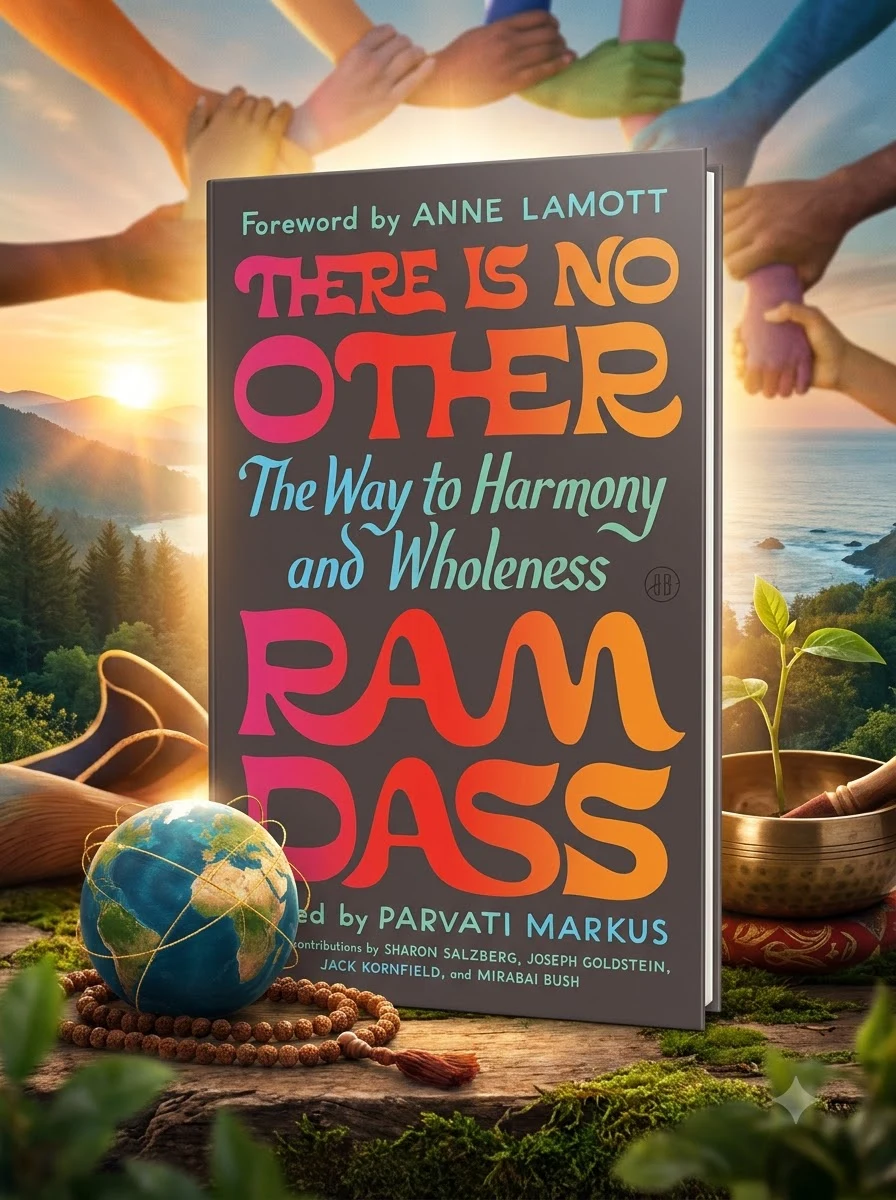
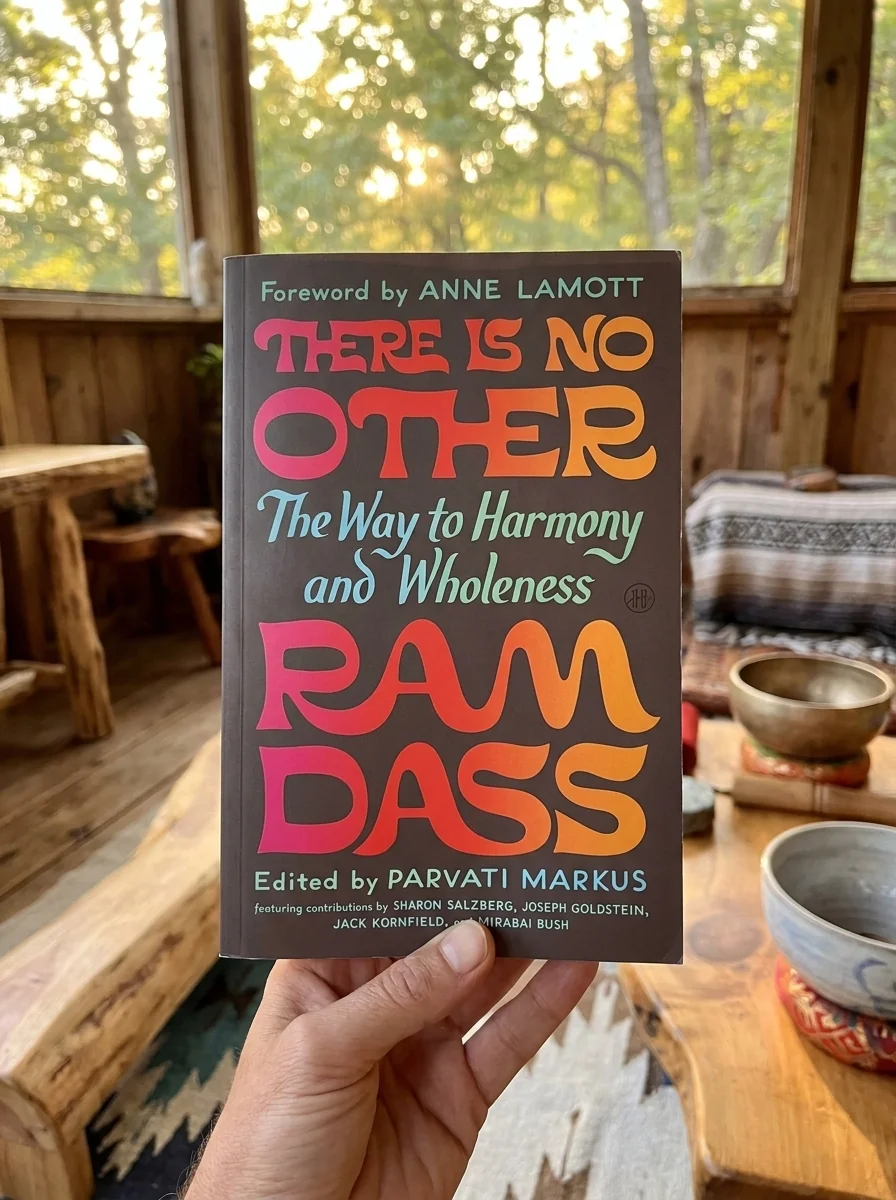
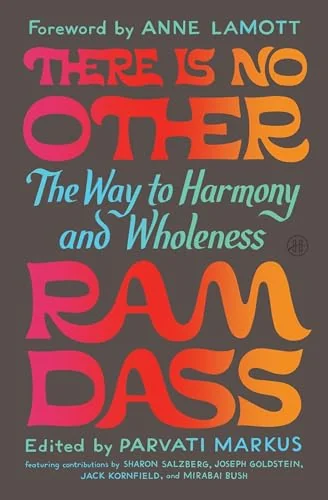
There Is No Other: The Way to Harmony and Wholeness
✍️ Dass, RamRecognized by Spirituality and Practice among the Best Spiritual Books of 2025, this collection addresses the internal and societal friction of contemporary life. Drawing from the lineage of Neem Karoli Baba, Ram Dass explores how human beings can move past perceived separation to cherish life on a sacred planet. Through short essays by contemporary teachers and structured meditations, the volume provides concrete methods to quiet internal conflict and build community.


Praise for this book
“There Is No Other is about ... finding the way toward what Ram Dass calls a 'unity consciousness.' ... toward seeing the world as full ... the loving awareness that is possible in this life, despite all of the pain and division around.”
📝 Description: There Is No Other: The Way to Harmony and Wholeness
💎 Expert review
📖 Why choose it
Why this book is worth reading
Readers seeking solace in an increasingly polarized world will find profound comfort in these pages. Those feeling fragmented by societal divides or personal discord will gain actionable wisdom for cultivating compassion and recognizing shared humanity. This book serves as a gentle yet powerful guide for anyone desiring to transcend the illusion of separation, offering tools to transform internal strife into unifying love. It is ideal for spiritual seekers, empathetic leaders, and individuals navigating complex interpersonal relationships who wish to anchor themselves in intrinsic wholeness and collective harmony rather than conflict.
⭐ Reader reviews
Reader rating
Dass delivers a poignant collection aimed at dismantling the misconception of an 'other,' urging readers toward intrinsic unity. While the message of transcending separation is universally appealing, this text may not suit those seeking rigorous theological debate or structured dogmatic instruction. It is less appropriate for skeptics requiring empirical evidence over spiritual affirmation. However, for those ready to embrace interconnectedness, it offers a vital, warm perspective on personal wholeness. The writing remains accessible and soothing, making it a valuable addition for anyone willing to let go of perceived divides in favor of profound, unifying love.
❓ Frequently asked questions
📖 Who should read this
If you seek spiritual grounding amidst global turmoil, or aspire to cultivate deeper compassion and interconnectedness in your life, this book is for you. Fans of Ram Dass will find fresh insights, while newcomers will discover a profound path to dissolving the illusion of separation and embracing universal love.
🎯 Key themes and symbolism
The Illusion of Other
This book profoundly explores the concept that all perceived divisions are ultimately illusory. Ram Dass guides us to recognize that separation—whether between individuals, groups, or even within ourselves—is a mental construct. By deconstructing this notion of an 'other,' he lays the groundwork for cultivating deeper empathy and understanding, fostering a unified perspective on existence.
Cultivating Inner Wholeness
Ram Dass emphasizes that societal harmony begins with individual integration. The text offers practices and insights for reconciling internal contradictions, embracing all facets of one's being, and achieving a state of inner peace. This personal journey toward self-acceptance is presented as the essential prerequisite for extending genuine compassion and unity into the wider world.
Bridging Divides with Love
In an era marked by discord, the book champions love as the ultimate unifier. Ram Dass illustrates how unconditional love can serve as a potent force to bridge ideological, cultural, and personal gaps. It's a call to action, urging readers to apply principles of unity and compassion in their daily interactions, transforming conflict into opportunities for connection.
📜 Historical context
📚 Glossary
- Other (The)
- Wholeness
- Harmony
📔 Questions to reflect on
- Reflect on a recent interaction where you felt a strong sense of 'otherness.' How might viewing that situation through the lens of unity have changed your perception or reaction?
- Where in your own life do you experience internal division or conflict? How can you apply the principles of self-wholeness to reconcile these parts of yourself?
- Consider a specific societal issue that deeply concerns you. How might cultivating universal love, as discussed in the book, inform your approach to engaging with this issue?