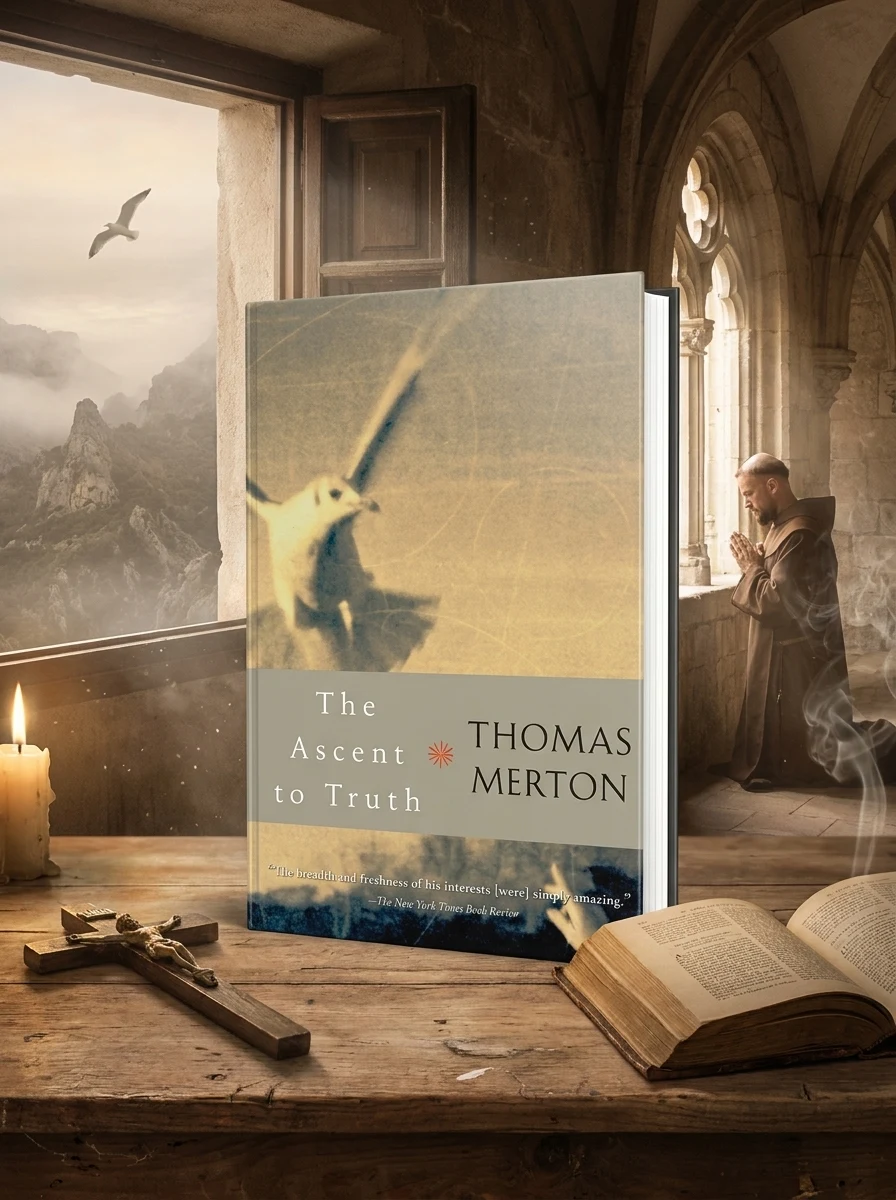
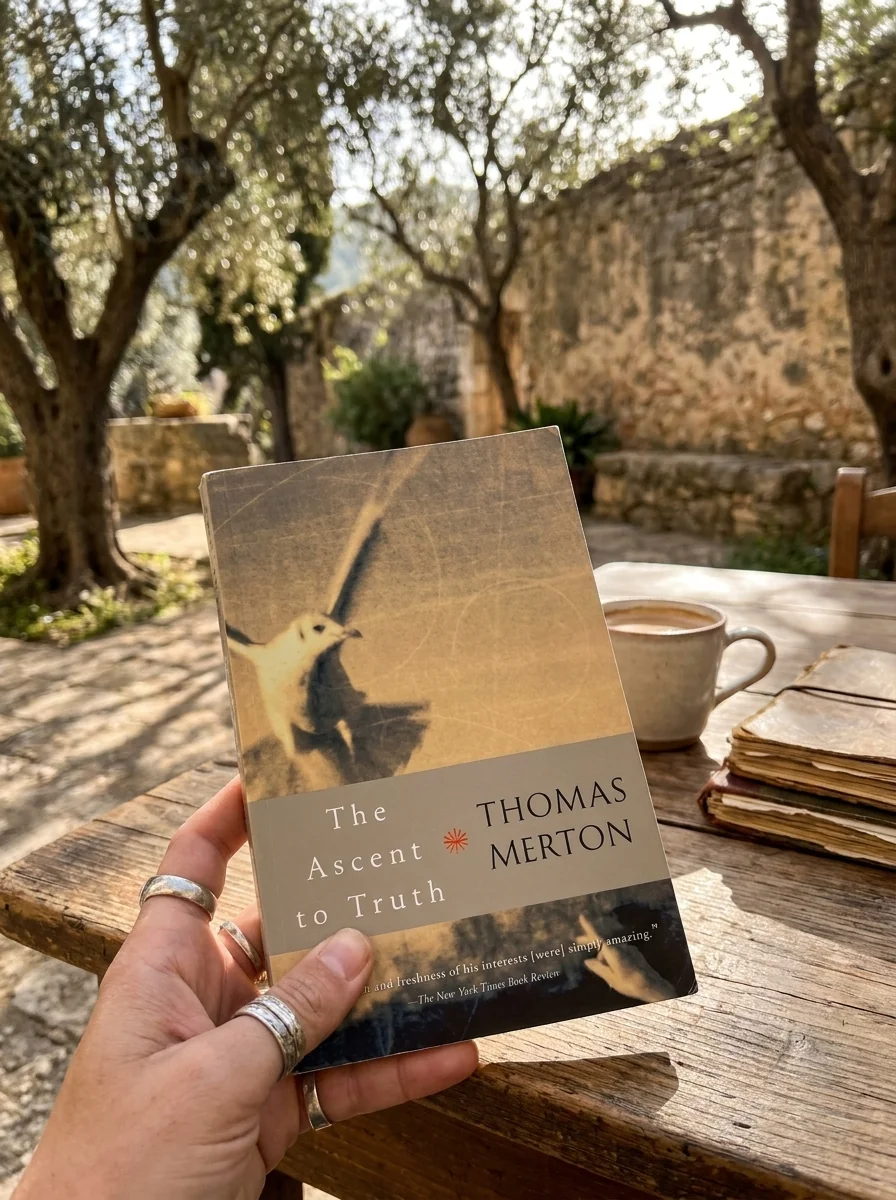
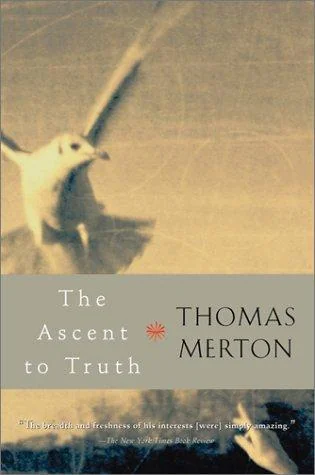
The Ascent to Truth
✍️ Merton, ThomasThomas Merton meticulously unpacks the essence of Christian mysticism, drawing heavily on the profound insights of St. John of the Cross. This work serves as an eloquent guide, defining the contemplative experience not merely as religious practice, but as a vital antidote to the pervasive spiritual emptiness and societal chaos of our age. Merton proposes that through deeply personal spiritual ascent, individuals can find a radical path to truth and meaning. It's an invitation to explore the internal landscapes where divine encounters unfold, offering solace and direction in tumultuous times.


Praise for this book
“[Thomas Merton] is perhaps the proper patron saint of our information-saturated age, of we who live and move and have our being in social media, and then, desperate for peace and rest, withdraw into privacy and silence, only to return. As we always will.”
📝 Description: The Ascent to Truth
💎 Expert review
📖 Why choose it
Why this book is worth reading
Readers seeking solace amidst societal chaos will find profound value in this eloquent guide to contemplative experience. Merton defines mysticism not merely as religious practice but as a vital antidote to spiritual emptiness. Those weary of modern malaise will appreciate the invitation to explore internal landscapes where divine encounters unfold. It offers radical direction for those desiring meaning through personal ascent, providing a beacon against the noise of contemporary life and a framework for understanding truth through silence.
⭐ Reader reviews
Reader rating
Merton meticulously unpacks Christian mysticism, serving as an essential reference for those interested in St. John of the Cross’s insights. However, this text does not suit readers seeking quick fixes or superficial spiritual tips. It is dense with theological depth, requiring patience from those who prefer active engagement over silent contemplation. Readers uncomfortable with the notion that truth requires a radical internal ascent may find the pace slow. It is best suited for those ready to confront their own emptiness through rigorous, reflective practice rather than casual reading.
❓ Frequently asked questions
📖 Who should read this
If you seek an intellectually rigorous yet deeply spiritual exploration of Christian mysticism, or if you're searching for a contemplative answer to the spiritual challenges of our modern world, this book offers profound insight and guidance.
🎯 Key themes and symbolism
Christian Mysticism Defined
Merton offers a rigorous exploration of what Christian mysticism truly entails, moving beyond superficial understandings. He roots his definitions in the teachings of historical figures like St. John of the Cross, presenting it as a direct, experiential encounter with the divine, rather than mere intellectual assent or emotional sentiment. This book clarifies the unique nature and path of mystical spirituality within the Christian tradition.
The Contemplative Path
Central to Merton's argument is the transformative power of contemplation. He illustrates how a dedicated contemplative life—marked by silence, prayer, and inner stillness—is not a retreat from the world but a profound way to engage with it. This theme emphasizes the practical aspects of spiritual discipline, guiding the reader towards a deeper, more intimate relationship with truth through internal work.
Antidote to Modernity
Merton positions Christian mysticism and contemplative practice as a potent response to the perceived 'irreligion and barbarism' of contemporary society. This theme explores how engaging with timeless spiritual truths can combat the fragmentation, materialism, and existential despair prevalent in modern life, offering a restorative path toward authentic meaning and spiritual wholeness.
📜 Historical context
📚 Glossary
- Mysticism
- Contemplation
- Irreligion
📔 Questions to reflect on
- How might a contemplative approach to life serve as an antidote to the 'barbarism' or spiritual emptiness you perceive in the modern world?
- Reflect on a moment in your life when you experienced a sense of profound spiritual insight or connection. How does Merton's definition of mysticism relate to that experience?
- Consider the idea of 'interior surrender.' What does this concept mean to you, and how might it manifest in your own spiritual practice or daily life?