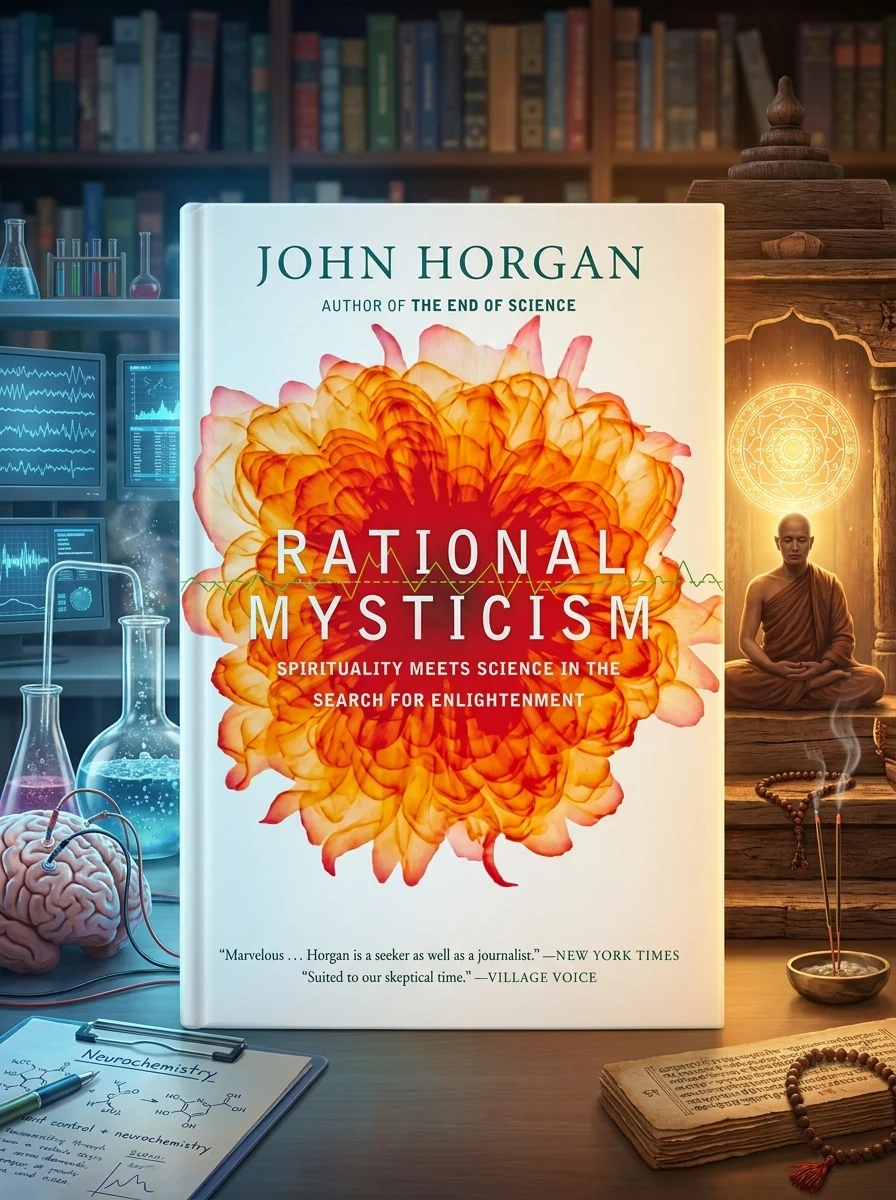
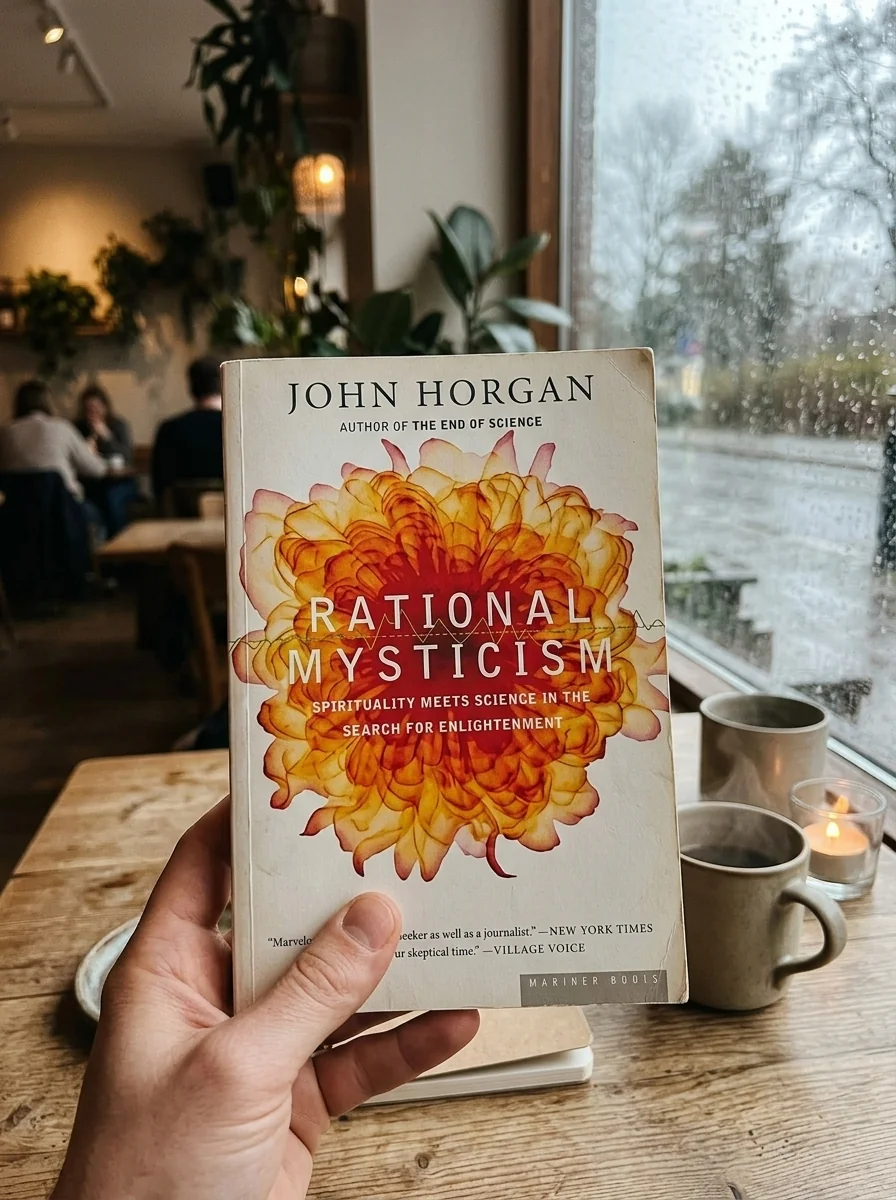
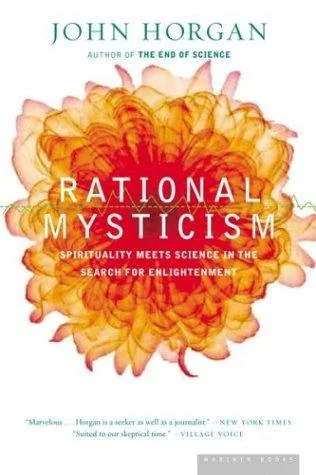
Rational Mysticism: Dispatches from the Border Between Science and Spirituality
John Horgan, a celebrated investigative journalist, ventures into the fascinating intersection of spiritual phenomena and scientific understanding. This book meticulously explores the underlying mechanisms of mystical experiences, from ancient trances to modern meditative states. Horgan probes how our physiology and psychology contribute to transcendent moments, employing insights from neuroscience, anthropology, and even psychedelic chemistry. He seeks to illuminate the shared threads connecting diverse spiritual practices, offering a compelling bridge between rigorous rational inquiry and the often-ineffable world of spiritual wonder, without reducing one to the other.


Praise for this book
“A marvelous book....[Horgan has] a gift for pulling back the curtain to unveil diminutive wizards, a technique he employs adroitly in this new book....”
“[A] great read, full of amusing vignettes and thoughtful reflections.”
📝 Description: Rational Mysticism: Dispatches from the Border Between Science and Spirituality
💎 Expert review
📖 Why choose it
Why this book is worth reading
Readers who find traditional mysticism too vague or hard science too cold will find profound satisfaction in this bridge between worlds. It is ideal for the intellectually curious seeker who demands evidence alongside wonder. By unpacking the physiological and psychological mechanics of transcendence, Horgan offers a respectful, grounded perspective on spiritual experience. You gain clarity on how neuroscience and anthropology explain altered states without diminishing their beauty. If you have ever wondered if your mystical moments are merely brain chemistry, this book provides a nuanced answer that honors both the mystery and the mechanism, making it essential for anyone navigating the border between rational thought and spiritual depth.
⭐ Reader reviews
Reader rating
Horgan’s rigorous journalistic approach demystifies spiritual phenomena by anchoring them in neuroscience and anthropology. While this scientific lens provides clarity and accessibility, it may disappoint readers seeking purely devotional, theological, or esoteric guidance. Those looking for magical theory or faith-based validation might find the reductionist tendencies frustrating. However, for those willing to engage with hard data, the text offers a compelling, unbiased exploration of how human brains generate transcendent experiences. It is a valuable resource for skeptics and believers alike who want to understand the 'how' without losing the 'why'.
❓ Frequently asked questions
📖 Who should read this
If you are a seeker who yearns to understand the 'how' behind spiritual experiences, or a scientist open to the profound depths of human consciousness, this book is for you. It appeals to those who embrace inquiry over dogma in exploring the sacred.
🎯 Key themes and symbolism
Science Meets Spirituality
Horgan masterfully navigates the dialogue between empirical science and subjective spiritual experience. He investigates how fields like neuroscience and psychology can offer insights into the nature of visions, prayer, and enlightenment, not to debunk them, but to understand their genesis within the human mind and body. It's an exploration of synthesis, not opposition.
Mechanisms of Mysticism
This work delves into the various 'technologies' and conditions that induce altered states of consciousness. From sensory deprivation and fasting to intense prayer, trance, and psychedelic compounds, Horgan examines the physiological and psychological pathways through which these diverse practices lead to profound mystical experiences, seeking common patterns.
Universal Paths to Transcendence
The book highlights the striking similarities found across a wide spectrum of mystical traditions and practices. By consulting theologians, psychologists, and practitioners from different cultures, Horgan reveals a shared human capacity for transcendent states, suggesting that the quest for spiritual insight transcends specific dogmas and manifests in remarkably consistent ways.
📜 Historical context
📚 Glossary
- Mysticism
- Satori
- Transpersonal Psychology
📔 Questions to reflect on
- Reflect on a time you experienced an altered state of consciousness, perhaps through nature, art, or meditation. How did it change your perception, and how might science explain its mechanisms?
- Considering the 'mystical technologies' Horgan explores (fasting, dance, drugs), which ones resonate with you, and how might they be incorporated responsibly into a personal spiritual practice?
- How does the idea of a 'rational mysticism' challenge or affirm your existing beliefs about the relationship between scientific understanding and spiritual faith?