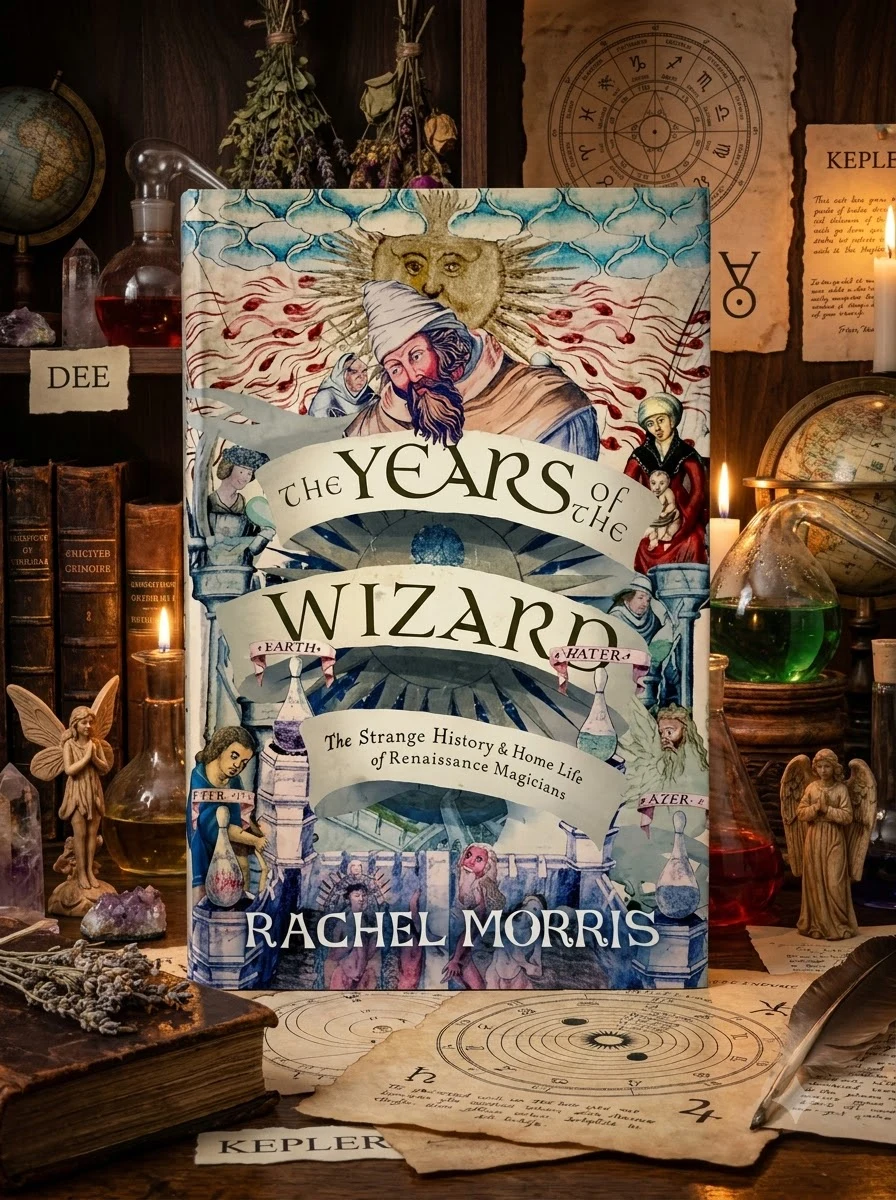
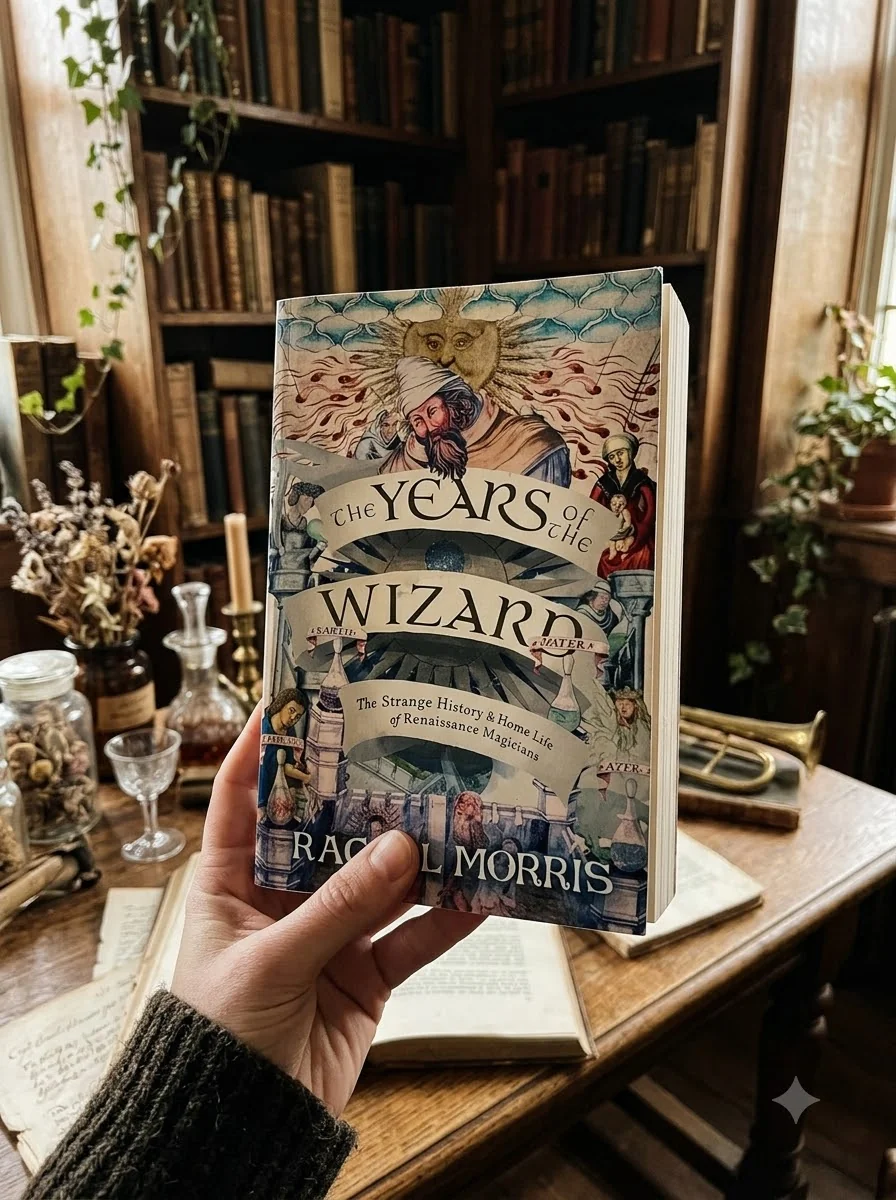
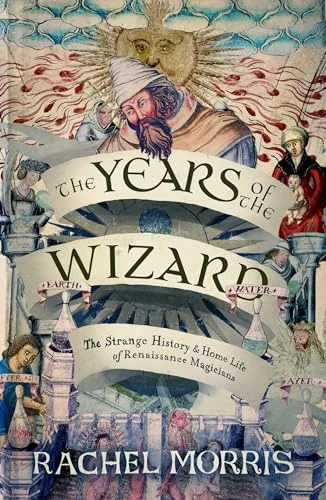
The Years of the Wizard: The Strange, True History and Home-Life of Renaissance Magicians
Delve into the captivating reality of Renaissance magic, exploring the everyday existence and extraordinary pursuits of figures like John Dee and Johannes Kepler. This evocative history illuminates a period when the mystical and the mundane intertwined, revealing how these practitioners navigated a world where angels, alchemy, and fairies were not just folklore but integral parts of scientific and spiritual inquiry. Morris provides an intimate look at their personal lives, revealing the human side of these legendary "wizards" and their profound impact on their era.


📝 Description: The Years of the Wizard: The Strange, True History and Home-Life of Renaissance Magicians
💎 Expert review
📖 Why choose it
Why this book is worth reading
Readers fascinated by the hidden narratives of history will find this book a captivating gateway into the lives of Renaissance magicians. It is particularly suited for those who appreciate biographical details that humanize legendary figures, offering an intimate glimpse into the personal lives of practitioners like John Dee and Johannes Kepler. By revealing how these individuals navigated a world where the mystical and mundane intertwined, Morris provides a refreshing perspective on the era’s intellectual climate. If you are eager to understand the profound impact these 'wizards' had on their time while learning about their everyday existence, this evocative history offers exactly that. It bridges the gap between folklore and serious spiritual inquiry, making it essential for anyone interested in the true, strange reality behind the myth of Renaissance magic.
⭐ Reader reviews
Reader rating
Morris delivers a compelling narrative that dismantles the caricature of the isolated wizard, replacing it with flesh-and-blood practitioners deeply embedded in their cultural moment. The strength lies in its intimate portrayal of personal lives alongside extraordinary pursuits, effectively illuminating how alchemy and angelic communication were standard parts of scientific inquiry. However, readers seeking dry, purely academic treatises or those who prefer strictly secular historical analyses may find the integration of fairies and angels distracting. It is not for skeptics demanding hard empirical data over historical context. Yet, for those willing to step into this strange world, the book succeeds brilliantly in revealing the human side of legendary figures and their profound, often overlooked, contributions to the era’s spiritual and scientific landscape.
❓ Frequently asked questions
📖 Who should read this
Are you fascinated by the true lives of Renaissance magicians and their daily practices? This book offers an illuminating journey into the intersection of history and esotericism, perfect for understanding how magic genuinely functioned within that transformative era.
🎯 Key themes and symbolism
Renaissance Magical Practice
Explores the diverse forms of magic practiced during the Renaissance, from ceremonial invocation to alchemical experiments. It details the methods, beliefs, and societal roles of those who engaged in these esoteric arts, moving beyond popular myth to reveal the intellectual and spiritual foundations of their work.
Social Fabric of Sorcery
Unpacks how magic was integrated into the daily lives and social structures of the Renaissance. This book highlights the complex relationship between magicians and wider society, examining their patronage, persecution, and often surprising influence on courtly life, scientific thought, and religious discourse.
Hermetic & Rosicrucian Roots
Traces the profound impact of Hermetic philosophy and proto-Rosicrucian ideas on Renaissance magical thought. It illustrates how ancient wisdom traditions shaped the worldview of practitioners, influencing their understanding of the cosmos, their pursuit of hidden knowledge, and their aspiration for spiritual transformation.
📜 Historical context
📚 Glossary
- Hermetism
- Alchemy
- Rosicrucianism
📔 Questions to reflect on
- How might our understanding of 'science' and 'spirituality' differ if we embraced the Renaissance view of an interconnected cosmos?
- Consider a contemporary figure who bridges seemingly disparate fields (e.g., art and science, technology and philosophy). How might their work be perceived in a different historical era?
- Reflect on how societal beliefs and fears, much like in the Renaissance, continue to shape our perception of what is possible or 'true' today.



![How to Manifest: Bring Your Goals Into Alignment with the Alchemy of the Universe [A Manifestation Book]](/img/how-to-manifest-bring-your-goals-into-alignment-with-the-alchemy-of-the-universe-a-manifestation-book-scene.webp)