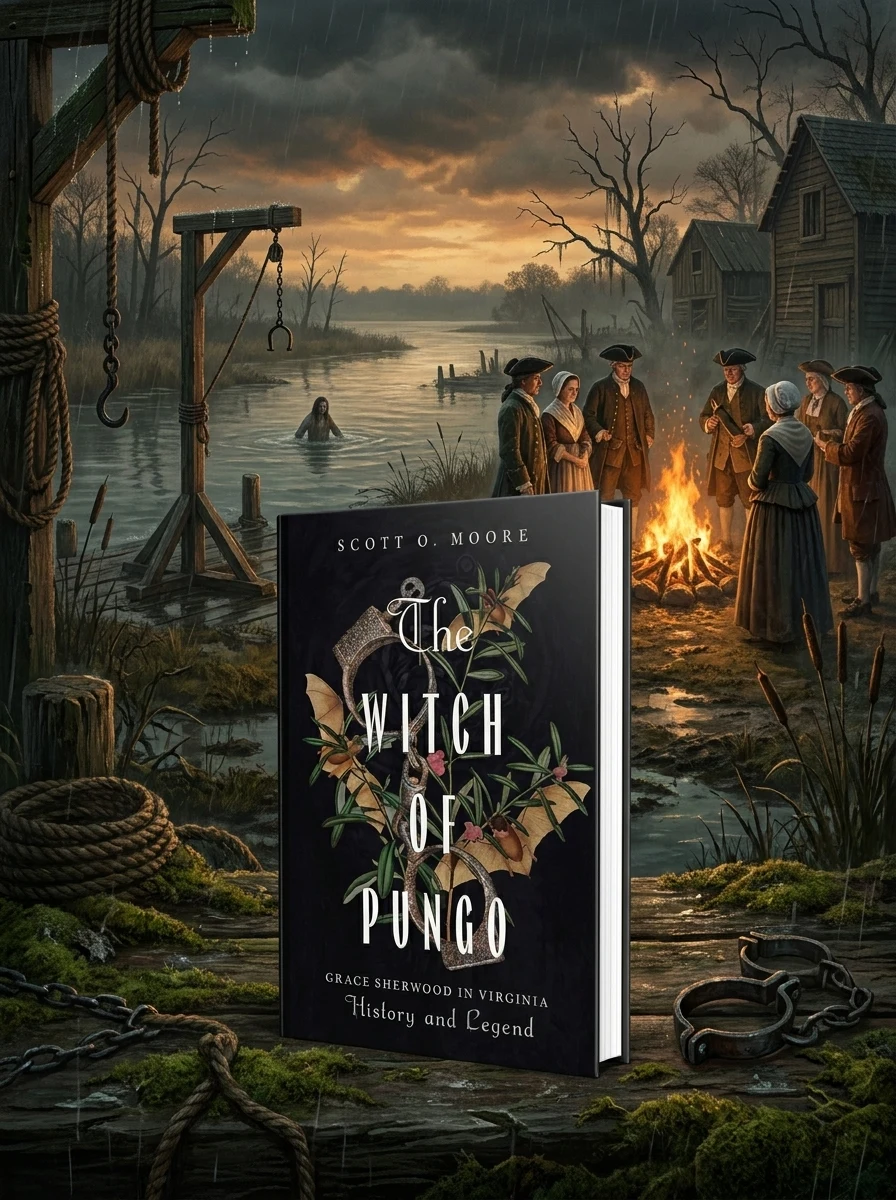
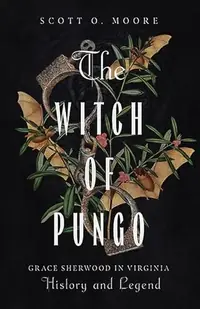
The Witch of Pungo: Grace Sherwood in Virginia History and Legend
Stock reported in the catalog; fulfillment is confirmed with your request.
Accused of witchcraft, Grace Sherwood faced a river, surviving to become legend.
Step into colonial Virginia with this definitive cultural history of Grace Sherwood, the "Witch of Pungo." Accused by her neighbors in 1706, Sherwood endured a harrowing "ducking" trial in the Lynnhaven River, a bizarre test where survival itself was deemed proof of guilt. This groundbreaking work meticulously explores her life and the dramatic events that cemented her as a pivotal figure in American folklore. It traces how her story evolved from a local curiosity to a pervasive legend, even prompting a modern-day acknowledgment by Virginia's governor, solidifying her place in history and memory.
This volume sits firmly within the genre of American folk history and regional biographical studies, examining how colonial legal practices shape enduring local legends. It bridges the gap between academic historical analysis and popular esoteric folklore traditions.


📝 Description: The Witch of Pungo: Grace Sherwood in Virginia History and Legend
💎 Expert review
📖 Why choose it
Why this book is worth reading
Readers fascinated by the intersection of legal history, gender dynamics, and folklore will find this book profoundly engaging. It offers a rare glimpse into the terrifying reality of colonial justice through the lens of Grace Sherwood’s survival. Those interested in how historical figures are mythologized over time will appreciate the detailed tracing of her evolution from accused neighbor to legendary icon. The narrative provides essential context for understanding American esoteric traditions, making it vital for anyone seeking to grasp the roots of witchcraft perception in the New World. It is not merely a biography but a cultural autopsy of a pivotal moment in Virginia’s past.
⭐ Reader reviews
Reader rating
While meticulously researched and culturally significant, this work may disappoint readers seeking dramatic fantasy or supernatural explanations. It is strictly a historical and sociological examination, lacking the mystical atmosphere some esoteric enthusiasts might expect. Scholars of colonial law will find it indispensable, whereas casual readers looking for quick, sensationalist ghost stories may find the academic tone dry. It does not cater to those who prefer unverified legends over documented evidence. However, for those willing to engage with the rigorous cultural analysis of how a 'ducking' trial became legend, it remains a compelling and necessary text for understanding American folklore's foundations.
❓ Frequently asked questions
📖 Who should read this
If you're drawn to the enigmatic intersection of early American history, local folklore, and the chilling legacy of witchcraft accusations, this book is for you. It offers a captivating look at a unique colonial narrative.
🎯 Key themes and symbolism
Colonial Justice & Superstition
This book vividly portrays the fraught legal landscape of early 18th-century Virginia, where accusations of witchcraft could lead to trials by ordeal. It explores how a society steeped in fear and religious belief grappled with perceived supernatural threats, demonstrating the brutal logic behind methods like "ducking" to determine an accused's fate.
The Birth of American Folklore
Discover how a singular historical incident—the trial and survival of Grace Sherwood—transformed over centuries into a powerful local legend. The book meticulously traces the evolution of her story, revealing how communal memory, storytelling, and cultural identity are shaped by such dramatic events, cementing her as Virginia's most famous alleged witch.
Legacy of Accusation
Examine the enduring impact of historical injustice through the lens of Grace Sherwood's story. The book delves into how figures like Sherwood continue to resonate in contemporary society, exploring modern efforts to acknowledge, re-evaluate, and even symbolically redress past wrongs, highlighting the lasting echoes of colonial-era beliefs.
💬 Quotes from the book
“Sherwood's ordeal, though unique in its specifics, reflects a broader societal fear of the unknown that gripped early colonial settlements.”
“From a legal curiosity to a celebrated local legend, the 'Witch of Pungo' embodies the fluid nature of historical memory and communal storytelling.”
📜 Historical context
📚 Glossary
- Ducking
- Witchcraft Accusation
- Folklore
📔 Questions to reflect on
- How do you think a community's deeply held beliefs or superstitions might influence its understanding and application of justice?
- Consider a local legend or historical figure from your own region. How might verifiable facts intertwine with mythical elements to create a powerful narrative?
- What does the modern act of issuing a 'pardon' for historical injustices, like that for Grace Sherwood, signify about contemporary society's relationship with its past?
You might also like
See more →

 91
91
 91
91