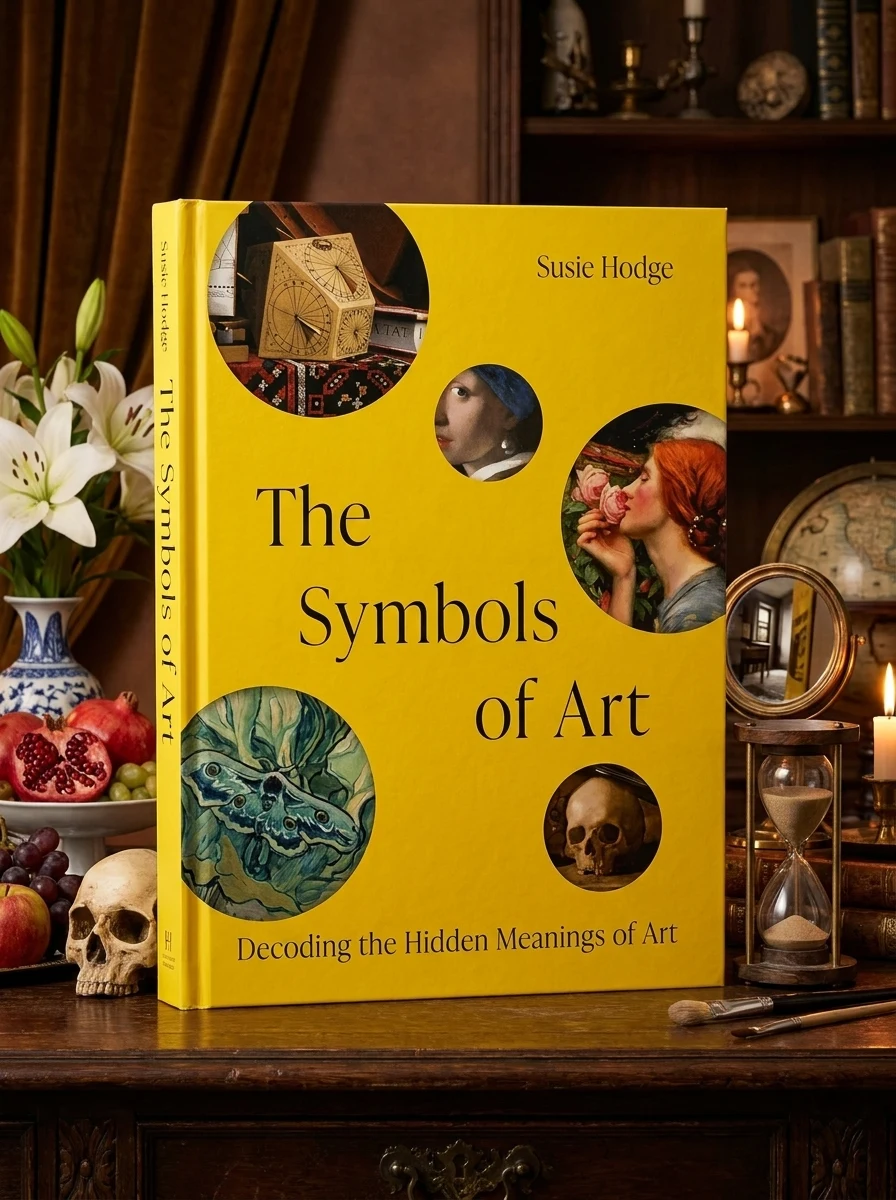
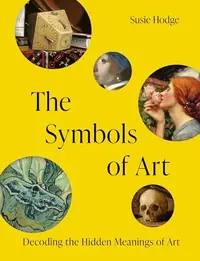
The Symbols of Art: Decoding the Hidden Meanings of Art


Stock reported in the catalog; fulfillment is confirmed with your request.
Unveil the hidden lexicon of art, where every brushstroke whispers ancient secrets.
Step into the concealed world of artistic communication with Susie Hodge's essential guide. This beautifully illustrated reference meticulously deciphers the symbolic language woven into masterpieces across history. Discover how seemingly simple elements, from a lone flower to a stark skull, carry profound messages, often deliberately obscured yet critical to the work's deeper meaning. It's an indispensable resource for anyone seeking to transcend mere observation and truly comprehend the silent narratives embedded within visual art, bridging centuries of cultural understanding.
This work sits firmly within the tradition of esoteric art history, exploring the concealed symbolic languages that have historically communicated profound messages through visual media. It serves as a bridge between secular art appreciation and the deeper, often obscured spiritual narratives embedded in masterpieces across centuries.


📝 Description: The Symbols of Art: Decoding the Hidden Meanings of Art
💎 Expert review
📖 Why choose it
Why this book is worth reading
This book is an indispensable guide for the spiritually curious artist, the symbolist painter, or any reader seeking to transcend mere visual observation. By unveiling the hidden lexicon of art, it allows you to decipher the silent narratives embedded within masterpieces. You will discover how simple elements like flowers or skulls carry profound, often deliberately obscured messages critical to understanding the work's deeper meaning. It is perfect for those who wish to bridge centuries of cultural understanding and access the ancient secrets whispered by every brushstroke. If you feel that art holds more than just aesthetic value, this beautifully illustrated reference will empower you to comprehend the concealed world of artistic communication and unlock the hidden meanings that have long been waiting to be seen.
⭐ Reader reviews
Reader rating
Susie Hodge provides a meticulously crafted guide for those eager to decode the symbolic language of art. While the illustrations are beautiful and the content essential for understanding deeper messages, this book may not suit readers who prefer technical analysis of brushwork or historical provenance over esoteric interpretation. It is specifically tailored for those interested in the 'concealed world' of meaning rather than pure formalism. Readers seeking dry, academic art history might find the focus on 'hidden secrets' too speculative. However, for anyone wanting to move beyond surface-level appreciation and grasp the silent narratives of visual culture, this resource successfully bridges the gap between observation and profound comprehension of cultural symbols.
❓ Frequently asked questions
📖 Who should read this
For the art enthusiast, the aspiring occultist, or anyone drawn to the unseen layers of meaning in our world, this book is your key. If you crave to understand the silent dialogues embedded in paintings and sculptures, this volume will illuminate your path to profound visual gnosis.
🎯 Key themes and symbolism
Decoding Visual Language
This book illuminates how artists, across diverse periods and cultures, ingeniously employ symbols to convey complex ideas and emotions without words. It reveals art as a sophisticated, non-verbal system of communication, inviting readers to become adept at interpreting these visual cues and unlocking the creator's true intent behind each element.
Evolution of Symbolism
Explore how the significance of specific symbols transforms across different eras, geographical locations, and artistic movements. What was universally understood by a medieval audience may be cryptic today, and vice-versa. The text provides historical context for these shifts, demonstrating the dynamic nature of symbolic meaning and its cultural relativity.
Art as Esoteric Text
Beyond surface aesthetics, the book delves into art as a repository for esoteric knowledge and hidden truths. It teaches readers to perceive artworks as intricate puzzles, where symbols are clues leading to philosophical, spiritual, or even alchemical insights, encouraging a deeper, more mystical engagement with the visual world.
💬 Quotes from the book
“The seemingly inert still life is, in fact, a vibrant stage where every object—a wilting blossom, a glimmering mirror, a half-eaten fruit—performs a profound commentary on mortality, vanity, and earthly delights.”
“To truly comprehend a masterpiece is not merely to see its form, but to hear its silent dialogue, a conversation whispered through a carefully placed lily, a subtly rendered skull, or the very hue of a cloak.”
📜 Historical context
📚 Glossary
- Iconography
- Semiotics
- Allegory
📔 Questions to reflect on
- Choose a familiar artwork. Without looking up its meaning, identify three symbols you perceive and reflect on what they might signify to you personally, before researching their traditional interpretations.
- Consider how a single symbol, like a rose or a serpent, has evolved in meaning across different cultures or historical periods. How does this fluidity challenge or enrich your understanding of its power?
- If you were to create an artwork today to convey a hidden message, what three contemporary symbols would you incorporate, and what esoteric truths would they represent for a future audience?
You might also like
See more →