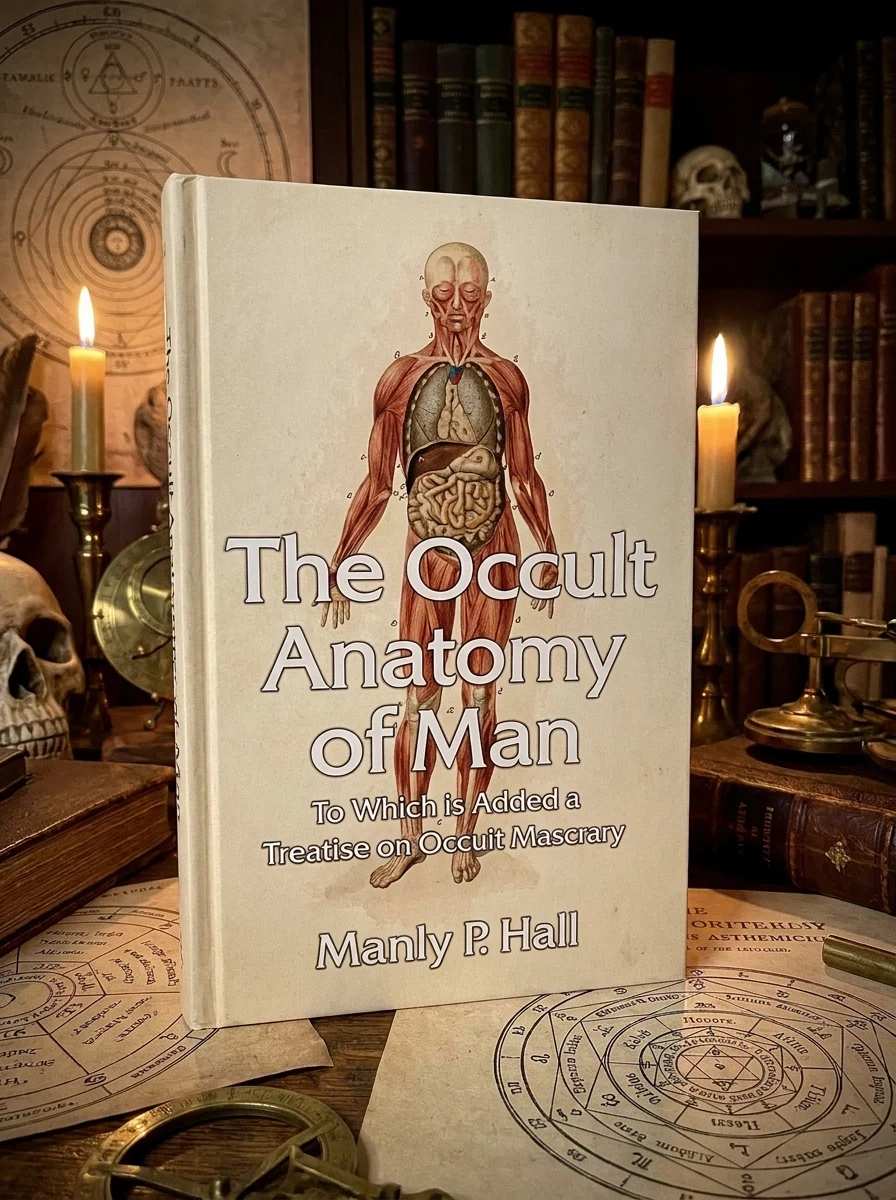
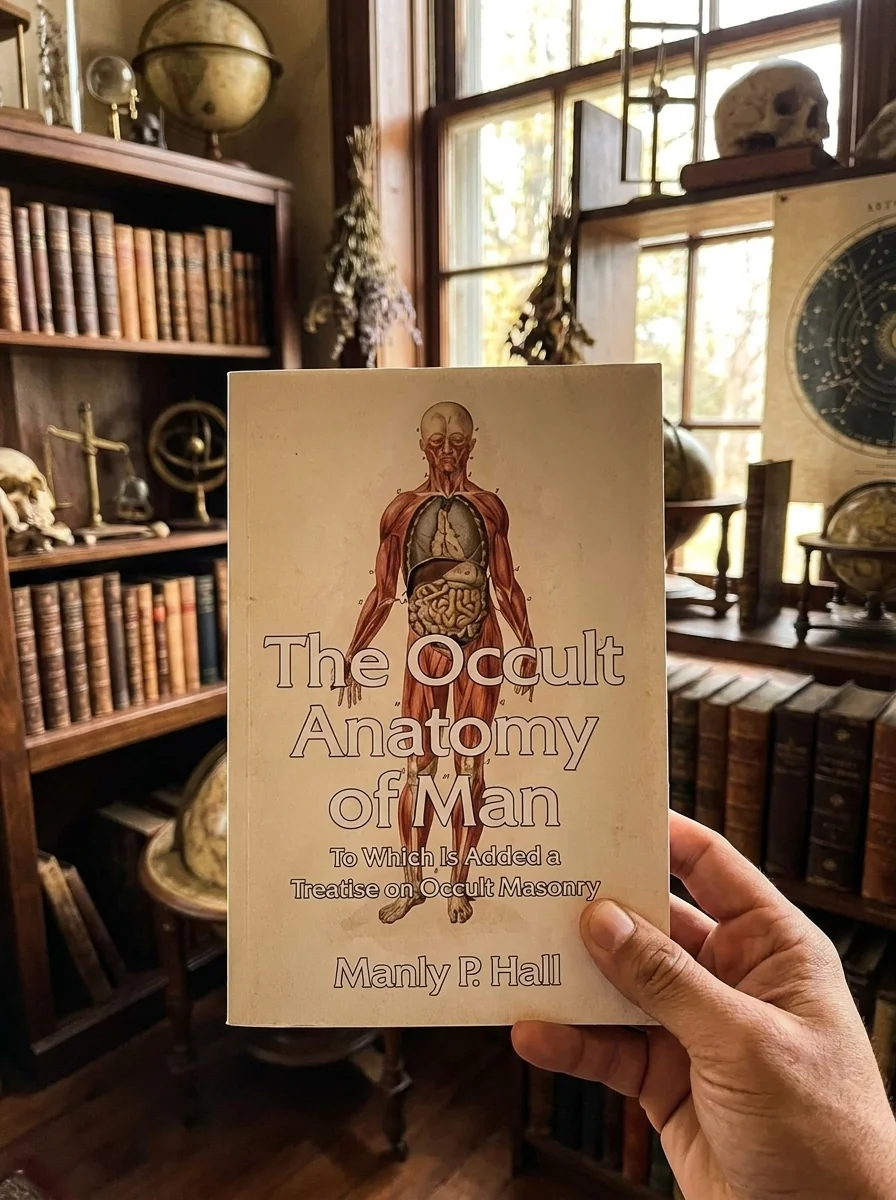
The Occult Anatomy of Man: To Which Is Added a Treatise on Occult Masonry Paperback
✍️ Manly P HallManly P. Hall's "The Occult Anatomy of Man" delves into the profound notion that the human body serves as a microcosm, mirroring the vast cosmic architecture of the universe. Drawing upon ancient wisdom traditions, Hall interprets our physical and energetic structures as allegorical keys to understanding existence itself. This foundational text, complemented by a treatise on Occult Masonry, invites readers to perceive their own being as a living symbol, revealing esoteric secrets embedded in our very design and connecting us to the divine order.


📝 Description: The Occult Anatomy of Man: To Which Is Added a Treatise on Occult Masonry Paperback
💎 Expert review
📖 Why choose it
Why this book is worth reading
Readers drawn to the intersection of mysticism and anatomy will find this text deeply rewarding. It serves those seeking a tangible connection between their physical form and universal spiritual laws. By viewing the body as a living symbol, enthusiasts of esoteric geometry and sacred architecture gain practical insight into divine order. The included treatise on Occult Masonry appeals specifically to those interested in fraternal secret societies and their hidden philosophical underpinnings. This book is ideal for dedicated students who wish to move beyond superficial symbolism and engage with the profound allegorical keys embedded in human design, ultimately fostering a deeper sense of unity with the cosmos.
⭐ Reader reviews
Reader rating
Hall presents a dense, allegorical exploration of the body as a microcosm, requiring patience from those accustomed to straightforward instruction. While intellectually stimulating for occultists, it may frustrate readers seeking practical spiritual exercises or scientific biological analysis. The integration of Masonic treatise adds historical weight but assumes prior familiarity with fraternal symbolism. It is not suited for casual readers or skeptics expecting empirical evidence. However, for those committed to esoteric philosophy, the systematic unraveling of divine blueprints offers a compelling, albeit abstract, framework for understanding existence through the lens of sacred geometry and ancient wisdom traditions.
❓ Frequently asked questions
📖 Who should read this
If you're drawn to esoteric philosophy, the profound connections between body and cosmos, or seeking a deeper, symbolic understanding of human existence, this book is for you. Those interested in the mystical interpretations of anatomy and ancient spiritual traditions will find Hall's insights particularly enriching.
🎯 Key themes and symbolism
Human as Microcosm
This book profoundly explores the ancient concept that humanity is a miniature reflection of the cosmos. Hall suggests that by understanding the intricate systems and energetic centers of our own bodies, we can unlock profound insights into the larger universal laws and divine structure, making self-knowledge a path to cosmic understanding.
Divine Blueprint
Hall posits that sacred texts across various cultures often describe humanity as created in the image of the divine. He interprets this not merely as a theological statement but as a literal symbolic truth, where the human form embodies the principles and perfection of the creator, holding hidden wisdom about the universe's design.
Symbolic Interpretation
The work encourages readers to look beyond the mundane and interpret the human anatomy through an esoteric lens. Hall reveals how physical organs, systems, and even diseases can be seen as allegories for spiritual principles, cosmic forces, and hidden truths, transforming biological study into a quest for mystical understanding.
📜 Historical context
📚 Glossary
- Occult Anatomy
- Microcosm
- Mystic
📔 Questions to reflect on
- How does viewing your own body as a "microcosm" shift your perception of self and your connection to the universe?
- Consider a specific part of human anatomy. What spiritual or cosmic allegories could it represent, based on Hall's approach?
- In what ways do you believe humanity embodies a "divine blueprint," and what implications does this hold for personal growth?