6th and 7th Books of Moses
An 18th- or 19th-century magical text allegedly written by Moses.
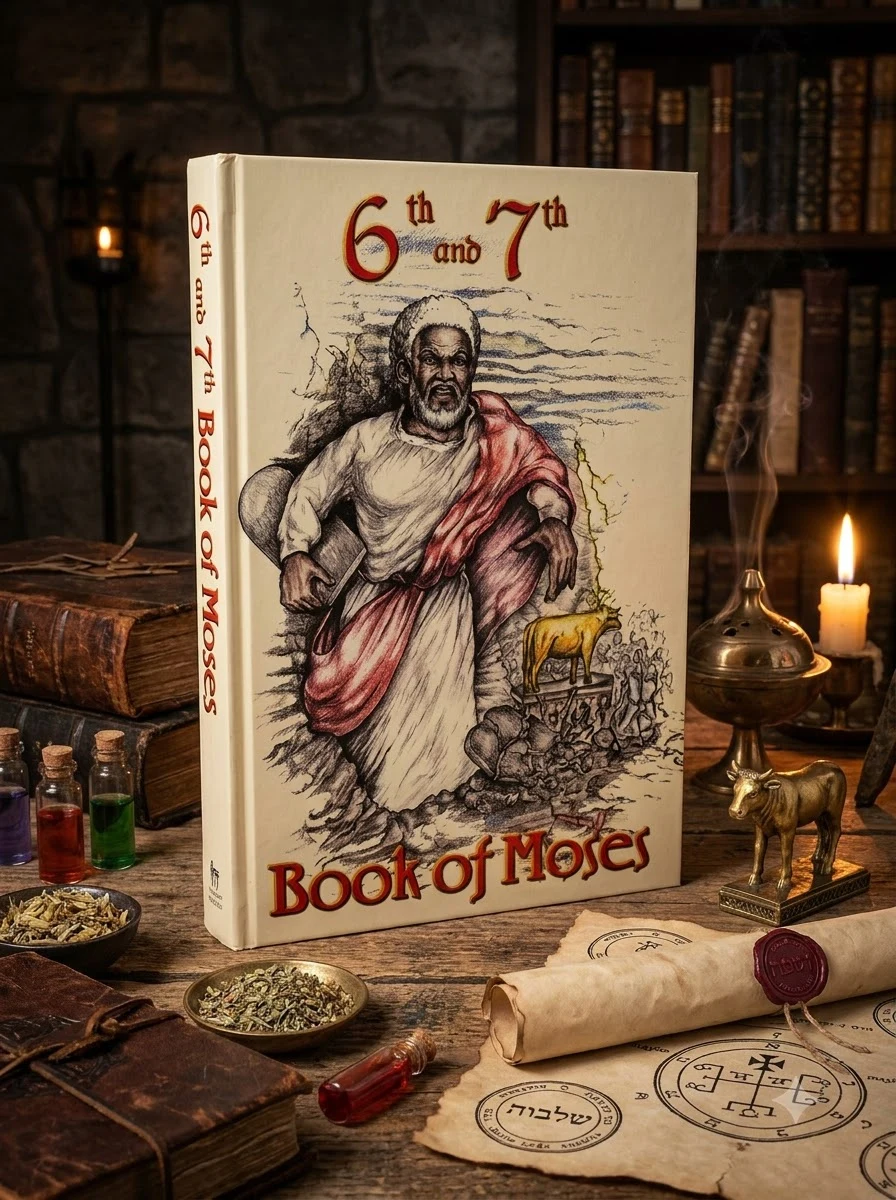
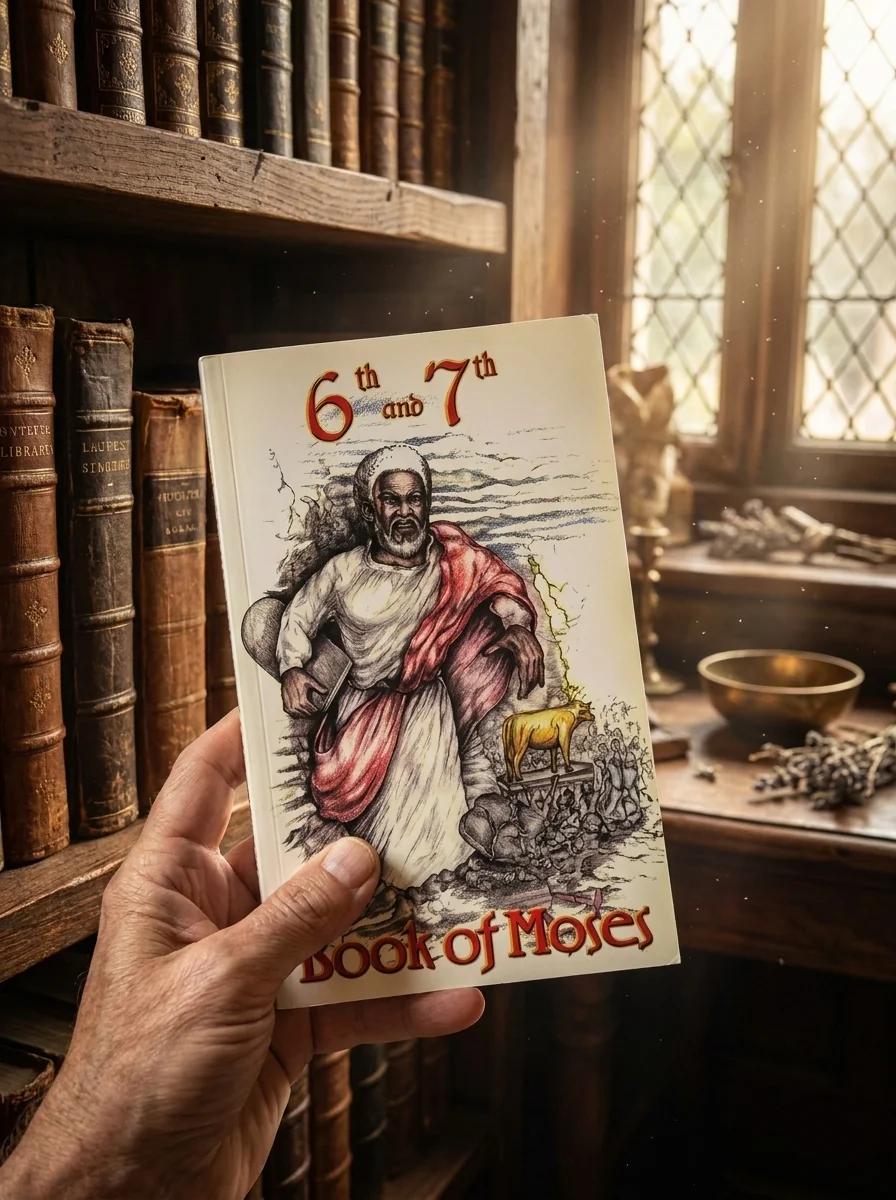
Lushena Books offers an edition of the Sixth and Seventh Books of Moses, an 18th- or 19th-century magical text. The work is allegedly written by Moses and passed down as lost or hidden books belonging to the Christian Old Testament. The writing purports to instruct its reader in spells that were used within these traditions. This publication provides direct access to the historical text without added commentary or extra chapters.
This text originates from the 18th or 19th century. It claims roots in the Christian Old Testament and attributes its original contents to Moses.


📝 Description: 6th and 7th Books of Moses
💎 Expert review
📖 Why choose it
Why this book is worth reading
Readers fascinated by the intersection of biblical narrative and magical practice will find this volume particularly engaging. It offers a unique window into how folk magic evolved, transforming religious texts into tools for commanding spirits and influencing events. Those interested in the historical development of Western esotericism will appreciate its role as a cornerstone of the tradition. It is ideal for scholars or enthusiasts seeking to understand the practical application of mystical arts and the allure of forbidden lore. The book provides insight into the pursuit of hidden knowledge, making it valuable for anyone curious about how ancient figures were reimagined in later magical frameworks. It serves not just as a manual, but as a cultural artifact reflecting the era's spiritual anxieties and aspirations.
⭐ Reader reviews
Reader rating
This volume is essential for those studying the lineage of Western ceremonial magic and talismanic traditions. However, it does not suit readers seeking authentic ancient scripture or strictly historical biblical analysis. It may disappoint those expecting straightforward theological instruction, as its primary function is magical rather than devotional. Scholars of comparative religion will find it useful, but casual readers looking for light entertainment might find the dense invocations and complex rituals tedious. It requires a specific interest in esoteric history to appreciate fully.
❓ Frequently asked questions
📖 Who should read this
If you are drawn to the history of Western esotericism, folk magic, or the study of grimoires, this book offers an indispensable, if controversial, resource. Scholars of religion, magic, and cultural history will find its spurious claims and enduring influence particularly compelling.
🎯 Key themes and symbolism
Ceremonial Magic
The text meticulously details various rituals, incantations, and sigils for a range of purposes, from protection to commanding spiritual entities. It outlines the specific steps and sacred words believed necessary to evoke supernatural forces, reflecting a structured approach to magical practice prevalent in grimoire traditions.
Pseudepigraphal Authorship
Central to its mystique is the claim of Mosaic authorship, presenting itself as a hidden continuation of the Old Testament. This deliberate misattribution lends an air of ancient authority and divine sanction to the magical operations contained within, a common characteristic of many influential occult texts seeking legitimacy.
Occult Power & Dominion
At its heart, this work explores the concept of human dominion over spiritual realms through divine names and ritual. It promises access to formidable power, enabling practitioners to influence the natural and supernatural worlds, reflecting a deep-seated human desire for control and understanding beyond ordinary means.
📜 Historical context
📚 Glossary
- Grimoire
- Pseudepigrapha
- Theurgy
📔 Questions to reflect on
- How does the purported authorship of a sacred figure like Moses impact your perception of a magical text's authority or efficacy?
- Reflect on the ethical considerations or potential consequences of seeking to command spiritual entities as described in grimoires like this one.
- In what ways do you think texts like 'The 6th and 7th Books of Moses' have shaped popular culture's understanding of magic and the occult?