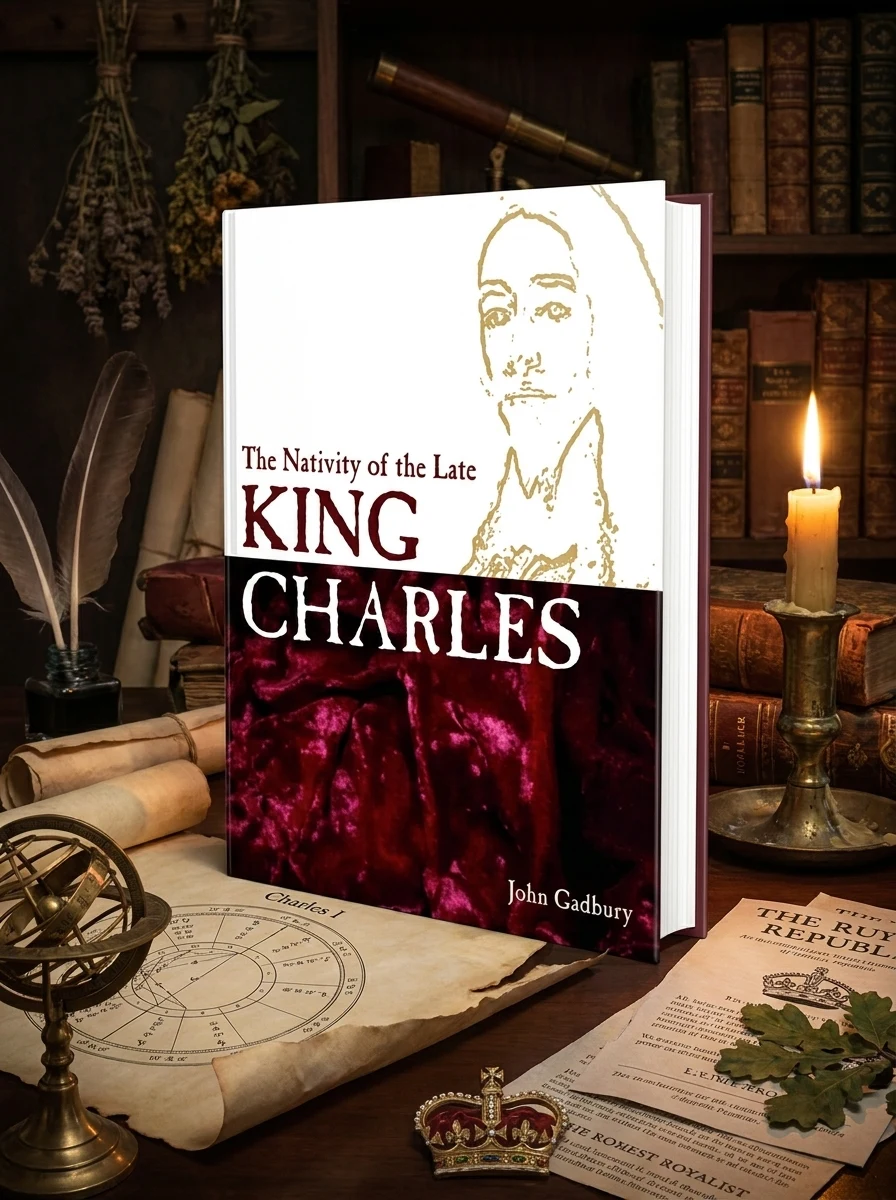
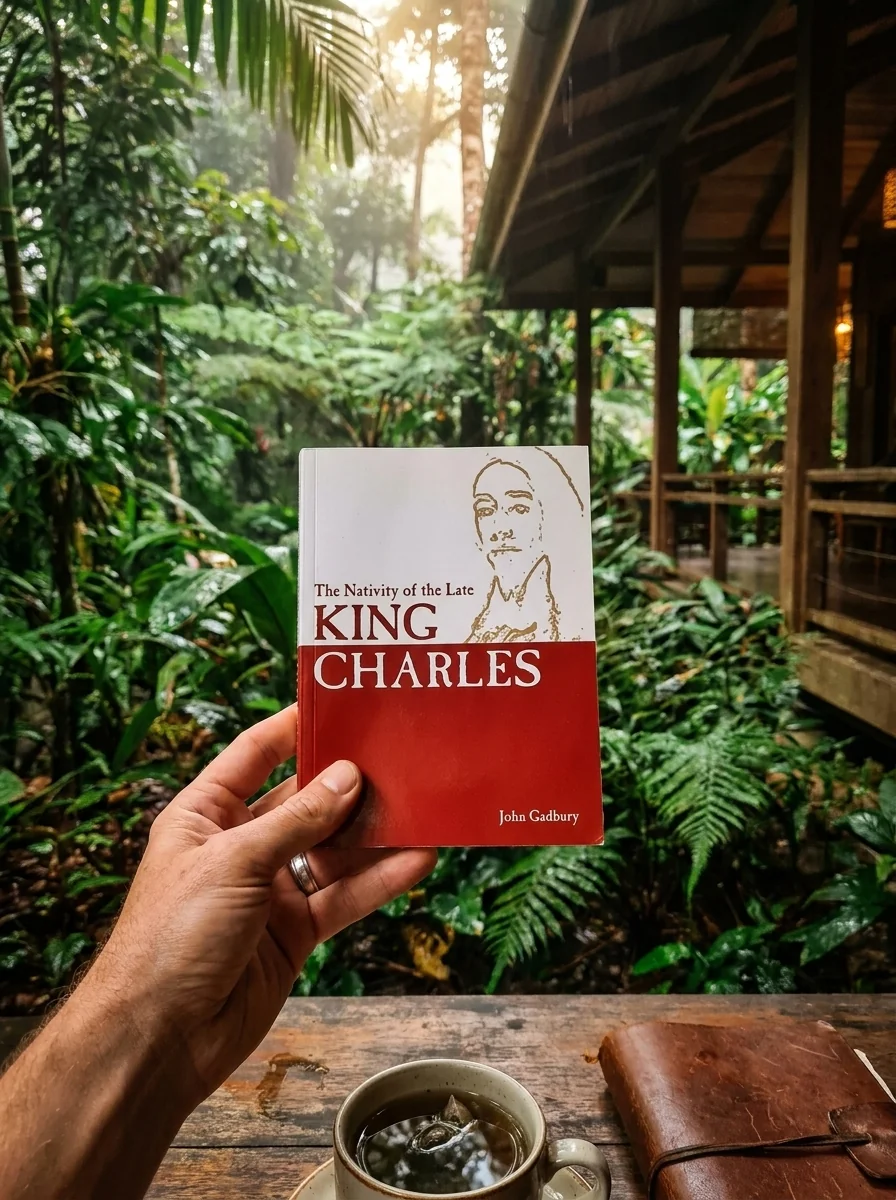
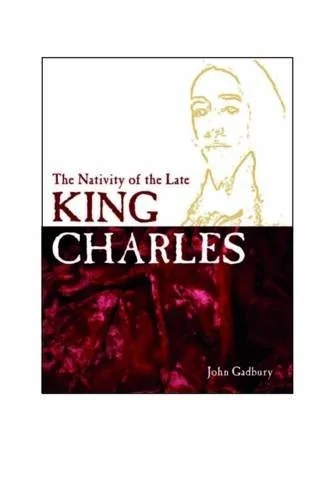
The Nativity of the Late King Charles
A seventeenth-century astrological analysis of King Charles I published shortly after his execution.
Penned by seventeenth-century astrologer John Gadbury only ten years after the 1649 execution of Charles I, this 104-page historical text examines the astrological horoscopes of the fallen monarch. Written toward the close of England's brief era as a republic, Gadbury navigates a delicate diplomatic path, presenting the late king as neither a tyrant nor a martyr in a deeply divided nation.
Written in 1659 during England's republican era, ten years following the 1649 execution of King Charles I, this text reflects the political volatility and diplomatic caution required of an astrologer practicing in a divided, revolutionary society.


📝 Description: The Nativity of the Late King Charles
💎 Expert review
📖 Why choose it
Why this book is worth reading
Readers fascinated by the intersection of history, politics, and esoteric practice will find this volume indispensable. It offers a rare glimpse into how astrologers navigated treacherous political landscapes during England's republican period. By examining King Charles I’s fate through a celestial lens, the book reveals the continuity of astrological methods across centuries. Those interested in the subtle ways historical figures were interpreted via the stars will appreciate Gadbury’s blend of deference and wit. It is essential for understanding the cultural significance of astrology in shaping public perception during tumultuous eras.
⭐ Reader reviews
Reader rating
This work provides a fascinating, albeit dense, look into mid-17th-century astrological methodology applied to controversial political figures. Gadbury’s approach demonstrates how practitioners balanced humility with sharp analysis amidst danger. However, it is not suited for readers seeking modern psychological astrology or simplified horoscopes. Those expecting straightforward biographical narratives about the King may find the celestial focus abstract and disconnected from conventional history. The text requires patience and an interest in historical esotericism rather than immediate entertainment. It serves best as a scholarly resource for those willing to engage with period-specific terminology and political subtleties without expecting contemporary accessibility.
❓ Frequently asked questions
📖 Who should read this
This book is a must for astrologers keen on historical methods, historians seeking unique primary sources on the English Civil War, and anyone fascinated by the intricate dance between esoteric practice and political upheaval in 17th-century Britain.
🎯 Key themes and symbolism
17th-Century Astrological Craft
Explore the meticulous process by which astrologers like Gadbury constructed and interpreted natal charts. This work provides a rare, direct example of how celestial mechanics, planetary aspects, and houses were analyzed to divine a person's character and destiny, offering invaluable insight for students of traditional astrology.
Political Astrological Commentary
Witness how astrology was employed to comment on volatile political events. Gadbury deftly examines the late King's horoscope, treading a diplomatic tightrope between accusation and veneration, thereby reflecting the deep divisions and anxieties of post-regicide England while subtly delivering his own judgments through celestial allegory.
Enduring Astrological Methods
This text remarkably showcases the foundational principles of natal astrology, many of which remain relevant today. Readers will observe the striking parallels between Gadbury's chart interpretation techniques and contemporary practices, underscoring the ancient lineage and consistent methodology that underpins astrological inquiry across the ages.
📜 Historical context
📚 Glossary
- Nativity
- Horoscope
- Republic
📔 Questions to reflect on
- How might the astrological interpretation of a public figure's chart influence public perception and political discourse in contemporary society?
- Reflect on the concept of 'diplomatic astrology' as practiced by Gadbury. How does it balance esoteric insight with political sensitivity?
- Considering Gadbury's methods, what continuities and divergences do you observe between 17th-century astrological practice and modern approaches?