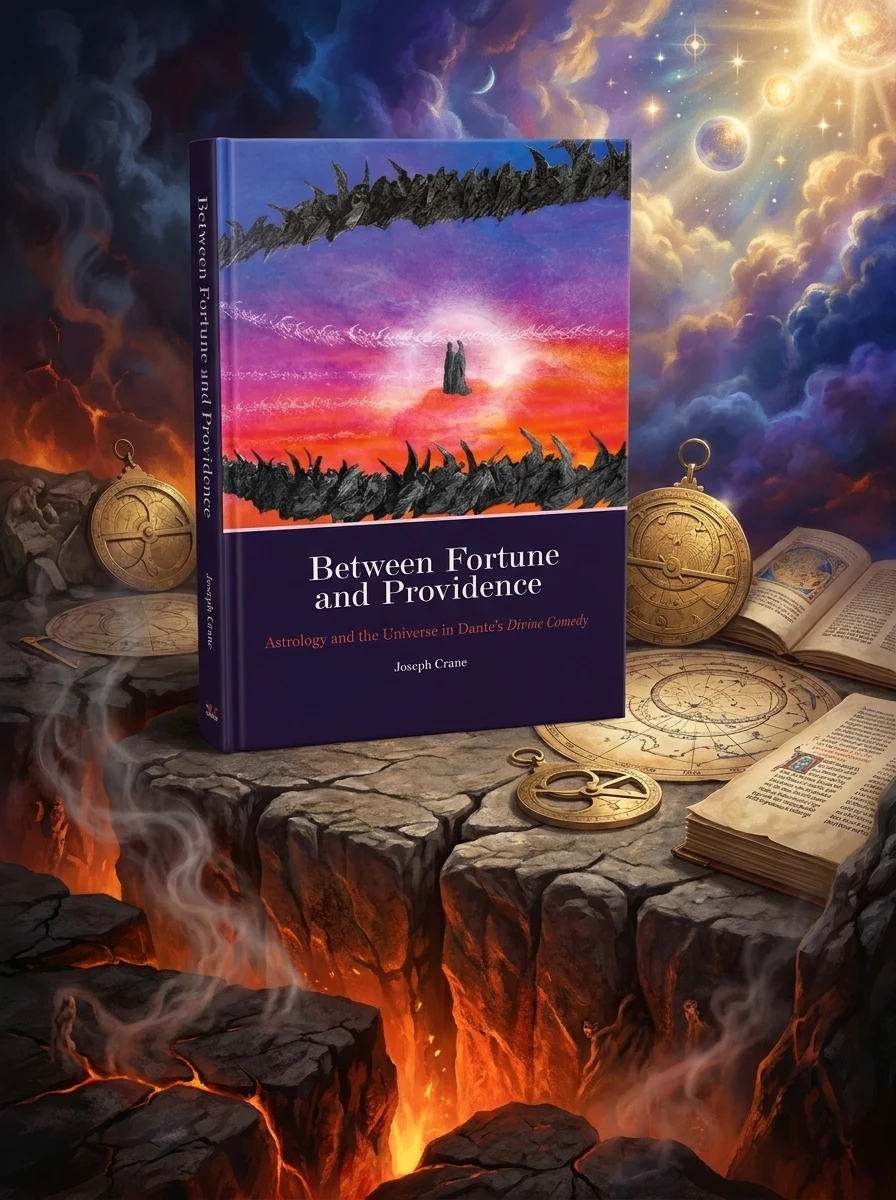
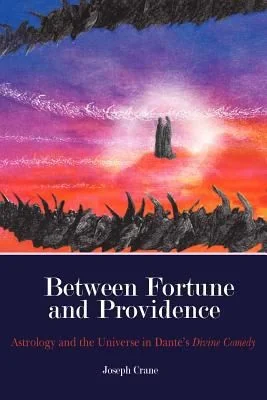
Between Fortune and Providence
✍️ Crane, JosephJoseph Crane expertly navigates Dante Alighieri's epic *The Divine Comedy*, revealing its profound astrological underpinnings often overlooked by modern readers. This insightful work illuminates how celestial influences are woven into the very fabric of Dante's journey through Hell, Purgatory, and Paradise, shaping not only the pilgrim's fate but also reflecting a complex medieval understanding of the cosmos. Crane meticulously unpacks Dante's perspectives on fortune, destiny, and divine providence, offering a fresh lens through which to appreciate this literary masterpiece and its enduring relevance to contemporary spiritual and astrological thought.


📝 Description: Between Fortune and Providence
💎 Expert review
📖 Why choose it
Why this book is worth reading
Readers fascinated by the deep synthesis of theology and astrology will find profound value here. Joseph Crane offers a fresh lens for appreciating Dante's masterpiece, illuminating how celestial influences shape the pilgrim's fate through Hell, Purgatory, and Paradise. This book is ideal for those seeking to understand the complex medieval cosmos where divine will meets human destiny. It provides essential insights into concepts of fortune and providence that remain relevant to contemporary spiritual thought. If you seek to move beyond surface-level literary appreciation and explore the astrological underpinnings of this epic, Crane’s meticulous unpacking offers a rewarding and intellectually stimulating experience for dedicated scholars and esoteric practitioners alike.
⭐ Reader reviews
Reader rating
Crane’s analysis is rigorous, meticulously unpacking Dante’s perspectives on destiny within the framework of medieval cosmology. It successfully reveals profound astrological underpinnings often overlooked by modern readers, offering a cohesive narrative of divine will and celestial mechanics. However, this text does NOT suit casual readers seeking a light literary summary or those uninterested in the technicalities of astrology. It requires patience for its dense exploration of theological and cosmic structures. Readers looking for simple plot summaries or contemporary self-help applications will likely find it too academic and esoteric. It is strictly for those willing to engage with complex spiritual and astrological theory within a classic literary context.
❓ Frequently asked questions
📖 Who should read this
If you’re an astrologer seeking deeper historical roots, a Dante enthusiast curious about celestial interpretations, or a spiritual seeker pondering fate and divine order, this book offers a unique perspective. Prepare to journey into a cosmos where spirit, literature, and the stars converge.
🎯 Key themes and symbolism
Dante's Cosmic Blueprint
Delve into the intricate astrological framework that structures Dante's epic journey. Crane deciphers how planetary positions and zodiacal alignments are not mere decorative elements but fundamental forces guiding the pilgrim's spiritual evolution and the very architecture of the afterlife. It’s an exploration of medieval cosmology as a living, breathing system.
Fortune, Fate, and Free Will
Explore the perennial tension between predetermined celestial influences and divine intervention, contrasted with the choices individuals make. This book examines how Dante grapples with the concepts of *fortuna* and *providenza*, revealing a nuanced understanding of destiny that still resonates today. It challenges readers to consider their own agency within a grand cosmic design.
Astrology's Sacred Paradox
Uncover the fascinating paradox of Dante's condemnation of certain divinatory practices while simultaneously embedding deep astrological symbolism throughout his work. Crane dissects the philosophical traditions that informed Dante's view of astrology as a natural, ordered expression of divine will, distinguishing it from forbidden magic or prophecy.
📜 Historical context
📚 Glossary
- Cosmology
- Providence
- Divination
📔 Questions to reflect on
- Reflect on moments in your life where you felt guided by an unseen force or fate. How do these experiences resonate with Dante's concepts of fortune and providence?
- Consider the modern perception of astrology versus its role in medieval thought. What, if anything, have we gained or lost in this shift in understanding cosmic influence?
- How do literary or spiritual texts, like *The Divine Comedy*, help us to understand complex philosophical or cosmological ideas that might otherwise feel abstract?