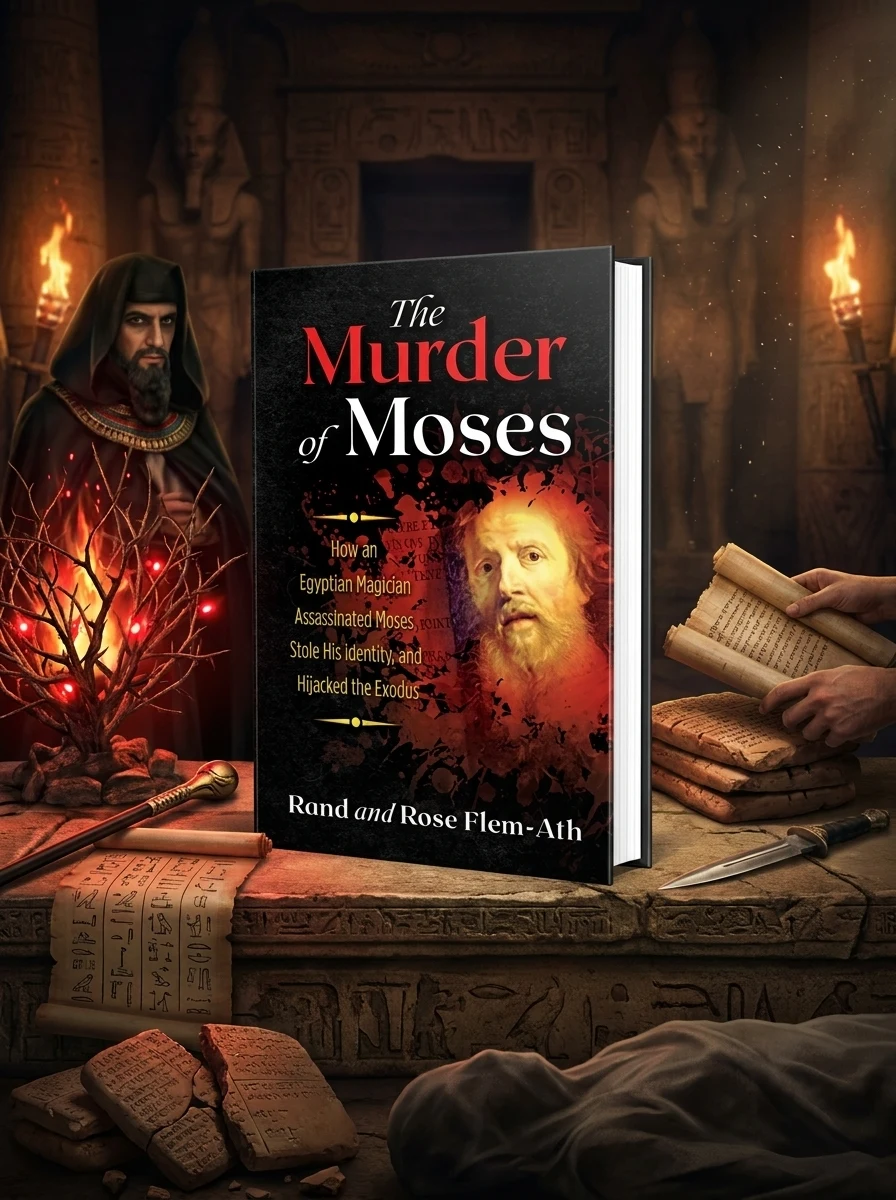
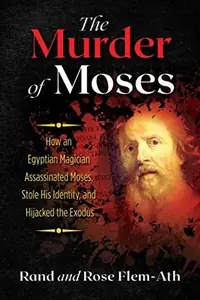
The Murder of Moses: How an Egyptian Magician Assassinated Moses, Stole His Identity, and Hijacked the Exodus (Edition, Revised of Killing Moses)
This edition can be ordered. No arrival date is confirmed.
An Egyptian magician stole Moses' identity and staged his death to hijack the Exodus narrative.
This provocative work challenges the traditional biblical account by suggesting Moses was murdered by his father-in-law, the Egyptian magician Reuel. The authors argue that Reuel staged the Burning Bush, assumed Moses' prophetic mantle, and orchestrated a cover-up through edited scriptures. By analyzing psychological profiles of figures like Freud and literary allusions in Marlowe, the book posits that the biblical text conceals a political assassination and identity theft, redefining the origins of monotheism as a fabricated legacy.
This work sits firmly within the tradition of esoteric revisionism and alternative biblical history, challenging established theological narratives through the lens of occult conspiracy. It aligns with speculative non-fiction that seeks to uncover hidden political machinations behind foundational religious texts.


📝 Description: The Murder of Moses: How an Egyptian Magician Assassinated Moses, Stole His Identity, and Hijacked the Exodus (Edition, Revised of Killing Moses)
💎 Expert review
📖 Why choose it
Why this book is worth reading
Readers fascinated by the intersection of ancient history, psychology, and literary analysis will find this book a compelling puzzle. It offers a daring reinterpretation of the Exodus story for those tired of traditional theological explanations, inviting them to view scripture as a constructed political narrative rather than divine revelation. The exploration of how identity theft can reshape religious legacy provides a fresh perspective on the origins of monotheism. If you enjoy dissecting the psychological profiles of historical figures and uncovering the secret motives behind famous myths, this provocative argument will stimulate your intellect and challenge your assumptions about sacred history.
⭐ Reader reviews
Reader rating
This text presents a highly speculative thesis that requires readers to suspend conventional historical skepticism. It is not suitable for those seeking straightforward biblical scholarship or traditional theological validation, as it fundamentally denies the authenticity of the Exodus narrative. The reliance on psychological profiling and literary allusion may feel unsubstantiated to academic historians. However, for enthusiasts of alternative history who enjoy radical reimaginings of ancient events, it serves as an intriguing thought experiment. Readers demanding rigorous archaeological evidence will likely find its claims unconvincing, but those open to esoteric reinterpretations may appreciate its bold narrative construction.
❓ Frequently asked questions
📖 Who should read this
Readers fascinated by alternative biblical histories, conspiracy theories, and the intersection of psychology and ancient religion. If you enjoy deconstructing sacred texts and exploring the possibility of hidden political motives behind religious narratives, this radical reinterpretation will challenge your foundational beliefs.
🎯 Key themes and symbolism
Identity Theft
Biblical Revisionism
Occult History
💬 Quotes from the book
“The Bible mentions no witnesses to Moses' death, no funeral, and no indication of his burial place.”
“Evidence points to something much more sinister than mental illness.”
📜 Historical context
📚 Glossary
- Reuel
- Veiling
- Exodus Hijacking
📔 Questions to reflect on
- How might your understanding of leadership change if the prophet was an imposter?
- What textual inconsistencies have you noticed in sacred stories that you previously ignored?
- In what ways do modern conspiracy theories mirror ancient attempts to control historical narratives?
🏛 Books from this publisher Bear & Company
All books from this publisher →
You might also like
See more →





 89
89