
US shipping Secure card payment Occult and esoteric books

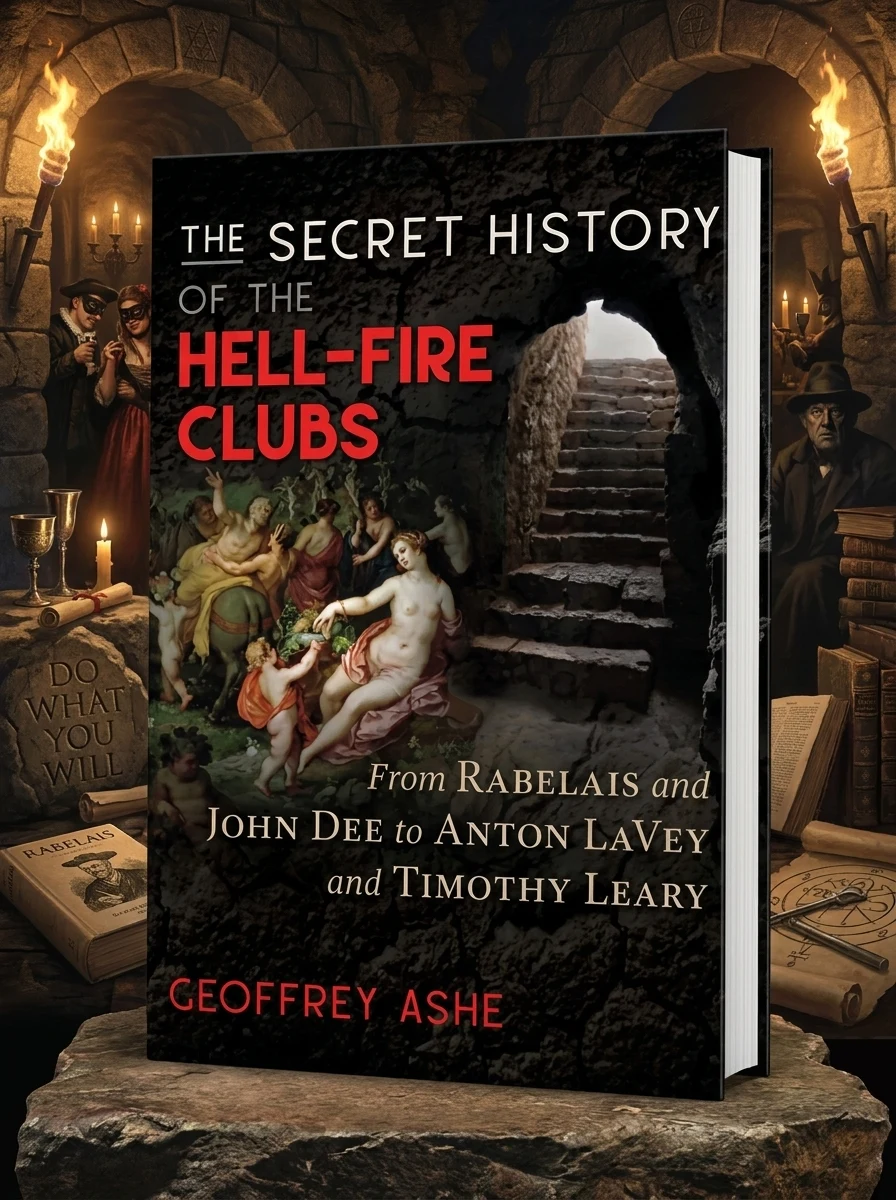
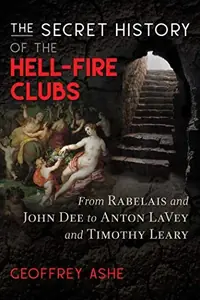
The Secret History of the Hell-Fire Clubs: From Rabelais and John Dee to Anton Lavey and Timothy Leary (Edition, New of the Hell-Fire Clubs)

Ashe, Geoffrey
Reader rating
4.6
(1 reviews) 139 sold
Availability to be confirmed

This edition can be ordered. No arrival date is confirmed.

📚 ABOUT THE BOOK

Uncover the audacious secrets and arcane influences behind history's most notorious pleasure-seekers.

Geoffrey Ashe meticulously dissects the scandalous Hell-Fire Clubs, moving beyond common perception to reveal their profound esoteric and political undercurrents. This insightful volume traces their intellectual lineage from the Renaissance humanism of Rabelais and the Hermetic magic of John Dee, demonstrating how their "Do What You Will" philosophy prefigured figures like Aleister Crowley. Ashe illuminates the intricate dance between libertinism and revolutionary ideals, showing how these exclusive societies of 18th-century English gentry, famed for their debauchery, also secretly fueled significant socio-political shifts, impacting even nascent revolutions abroad.

Key themes
Esoteric Foundations Liberty and Licentiousness Secret Societies & Scandal
Historical context

This work situates the Hell-Fire Clubs within the broader trajectory of Western esotericism and libertine philosophy, linking 18th-century English gentry societies to Renaissance humanism and later occult figures. It explores the intersection of aristocratic debauchery with revolutionary political undercurrents.


Difficulty
●● Moderate
Fans will love it
Aleister Crowley · John Dee · Anton LaVey
🕯️ Occult Philosophy
🏛 Bear & Company 📅 2019 📖 304 pages 📔 Paperback 📐 Paperback ISBN: 9781591433484
Fun fact
Ashe’s "Secret History" expertly peels back the layers of sensationalism surrounding the Hell-Fire Clubs, revealing a surprisingly complex tapestry of occult influence, political rebellion, and social critique. While those seeking only salacious anecdotes might find its intellectual depth challenging, readers interested in the philosophical roots of counter-culture and the often-overlooked connections between esotericism and revolution will find this volume indispensable. It thoughtfully recontextualizes a misunderstood historical phenomenon, positioning it firmly within the broader narrative of Western esotericism and social history.

📝 Description: The Secret History of the Hell-Fire Clubs: From Rabelais and John Dee to Anton Lavey and Timothy Leary (Edition, New of the Hell-Fire Clubs)

An exploration of the origins, influences, and legacy of the scandalous Hell-Fire Clubs of the 18th century and beyond - Reveals the club's origins in the work of Rabelais and the magical practices of John Dee and how their motto, "Do What You Will," deeply influenced Aleister Crowley - Explores the cross-fertilization of liberty and libertinage within these clubs that influenced both U. S. and French Revolutions - Examines the debaucherous activities and famous members of many Hell-Fire Clubs, including Sir Francis Dashwood's Monks of Medmenham Mention the Hell-Fire Clubs and you conjure up an image of aristocratic rakes cutting a swath through the village maidens. Which is true, but not the whole truth. The activities of these clubs of upper-class Englishmen revolved around not only debauchery but also blasphemy, ritual, quasi-magical pursuits, and political intrigue. Providing a history of these infamous clubs, Geoffrey Ashe reveals their origins in the work of François Rabelais and the activities of John Dee. He shows how the Hell-Fire Clubs' anything-goes philosophy of "Do what you will"--also Aleister Crowley's famous motto--and community template were drawn directly from Rabelais. The author looks at the very first Hell-Fire Club, founded by Philip, Duke of Wharton, in 1720 and then at the Society of the Dilettanti, a fraternity formed in 1732. Ashe examines the life, travels, and influences of Sir Francis Dashwood, founding member of the Society of the Dilettanti and the scandalous Permissive Society at Medmenham, also known as the Monks of Medmenham. He also explores other Hell-Fire clubs the movement inspired throughout England, Scotland, and Ireland, including the violence-prone Mohocks and the Appalling Club. He shows how many illustrious figures of the day were members of these societies, such as Lord Byron. He also examines the rumors that Benjamin Franklin was a member, an allegation that can be neither confirmed nor denied. Exploring the political and magical ideas that fueled this movement, the author shows how the cross-fertilization of liberty and libertinage within the Hell-Fire Clubs went on to influence both the U. S. and French revolutions, as well as the hippie movement of the 1960s, the Church of Satan founded by Anton LaVey, and the motorcycle club known as the Hells Angels. The legacy of the Hell-Fire Clubs continues to impact society, beckoning both elite and outsider to cast aside social norms and "do what you will."

💎 Expert review

💎
Esoterica Books editorial team
Occult literature desk
Ashe provides a rigorous academic exploration that may disappoint readers seeking salacious gossip or light entertainment. The text demands attention to historical nuance, focusing on intellectual lineage rather than sensationalist tales of debauchery. It is not suited for those with little interest in Renaissance humanism, Hermetic magic, or the political implications of 18th-century aristocratic society. However, for scholars and serious enthusiasts of occult history, it offers a vital, insightful correction to common perceptions, illuminating the profound esoteric undercurrents often overlooked in popular accounts of these notorious clubs.
✓ EDITOR'S REVIEW

📖 Why choose it

📖

Why this book is worth reading

Readers fascinated by the hidden currents of history and the intersection of sexuality, power, and magic will find this volume indispensable. Geoffrey Ashe offers a compelling narrative that moves beyond mere scandal to reveal the profound intellectual lineage connecting Rabelais, Dee, and later occultists. Those interested in how exclusive societies influenced socio-political shifts and revolutionary ideals will appreciate the meticulous dissection of these arcane influences. It is essential for anyone seeking to understand the esoteric roots of modern libertinism and the complex dance between pleasure-seeking and political change in English history.

⭐ Reader reviews

The starting rating comes from the team Esoterica Books —
⭐ Esoterica editorial review Editorial rating 4.6/5
★★★★
If you're fascinated by the hidden currents of history, the intersection of occultism with social rebellion, or the scandalous lives of the elite, this book offers a compelling deep dive. Prepare to question conventional narratives about these infamous societies.

Reader rating

4.6
Based on 1 reviews
5
0
4
1
3
0
2
0
1
0
E
Esoterica Books editorial team

Ashe provides a rigorous academic exploration that may disappoint readers seeking salacious gossip or light entertainment. The text demands attention to historical nuance, focusing on intellectual lineage rather than sensationalist tales of debauchery. It is not suited for those with little interest in Renaissance humanism, Hermetic magic, or the political implications of 18th-century aristocratic society. However, for scholars and serious enthusiasts of occult history, it offers a vital, insightful correction to common perceptions, illuminating the profound esoteric undercurrents often overlooked in popular accounts of these notorious clubs.

❓ Frequently asked questions

Ashe argues that while debauchery was prominent, the clubs incorporated elements of ritual and quasi-magical pursuits, drawing on esoteric traditions from figures like John Dee, suggesting a deeper, more intentional engagement than mere theatrics.
The book posits that their embrace of individual liberty and challenge to societal norms, even through extreme libertinage, fostered an environment of radical thought that indirectly, but significantly, contributed to the intellectual and philosophical underpinnings of revolutions in America and France.

📖 Who should read this

If you're fascinated by the hidden currents of history, the intersection of occultism with social rebellion, or the scandalous lives of the elite, this book offers a compelling deep dive. Prepare to question conventional narratives about these infamous societies.

🎯 Key themes and symbolism

Esoteric Foundations

Delves into how figures like François Rabelais and the enigmatic John Dee laid the philosophical and magical groundwork for the Hell-Fire Clubs, influencing their anti-establishment ethos and the famous maxim, "Do What You Will," which would later resonate deeply with occultists like Aleister Crowley.

Liberty and Licentiousness

Explores the curious interplay between the clubs' overt hedonism and their covert radicalism. Ashe uncovers how their pursuit of personal freedom, often expressed through scandalous behavior and blasphemy, unexpectedly contributed to the intellectual ferment that informed both the American and French Revolutions.

Secret Societies & Scandal

Unveils the notorious activities of these exclusive 18th-century English clubs, detailing their legendary debaucheries, quasi-magical rites, and political machinations. The book highlights infamous members, such as Sir Francis Dashwood, and the specific dynamics of groups like the Monks of Medmenham.

💬 Quotes from the book

“Beyond the lurid tales of drunken excess lay a deeper current: a deliberate blasphemy rooted in philosophical liberation and esoteric inquiry.”

“The audacious maxim 'Do What You Will,' a rallying cry for these secret societies, echoed through centuries, finding its most overt expression in later occult movements.”

📜 Historical context

This work situates the Hell-Fire Clubs not merely as eccentric historical footnotes but as significant expressions of Enlightenment-era counter-culture. By connecting them to earlier esoteric traditions and later revolutionary movements, Ashe provides a crucial link in understanding the evolving relationship between spiritual freedom, personal liberty, and societal transformation in the Western world.

📚 Glossary

Libertinage
Hermetism
Rabelaisian

📔 Questions to reflect on

  1. Consider how the pursuit of absolute personal liberty, as seen in the Hell-Fire Clubs, might paradoxically lead to both social progress and moral decay.
  2. Reflect on the power of secret societies throughout history. What makes them so enduringly appealing, and what role do they play in societal change?
  3. How might the blending of spiritual or magical pursuits with overtly material or hedonistic activities shape an individual's worldview or an organization's purpose?

🏛 Books from this publisher Bear & Company

All books from this publisher →

You might also like

See more →