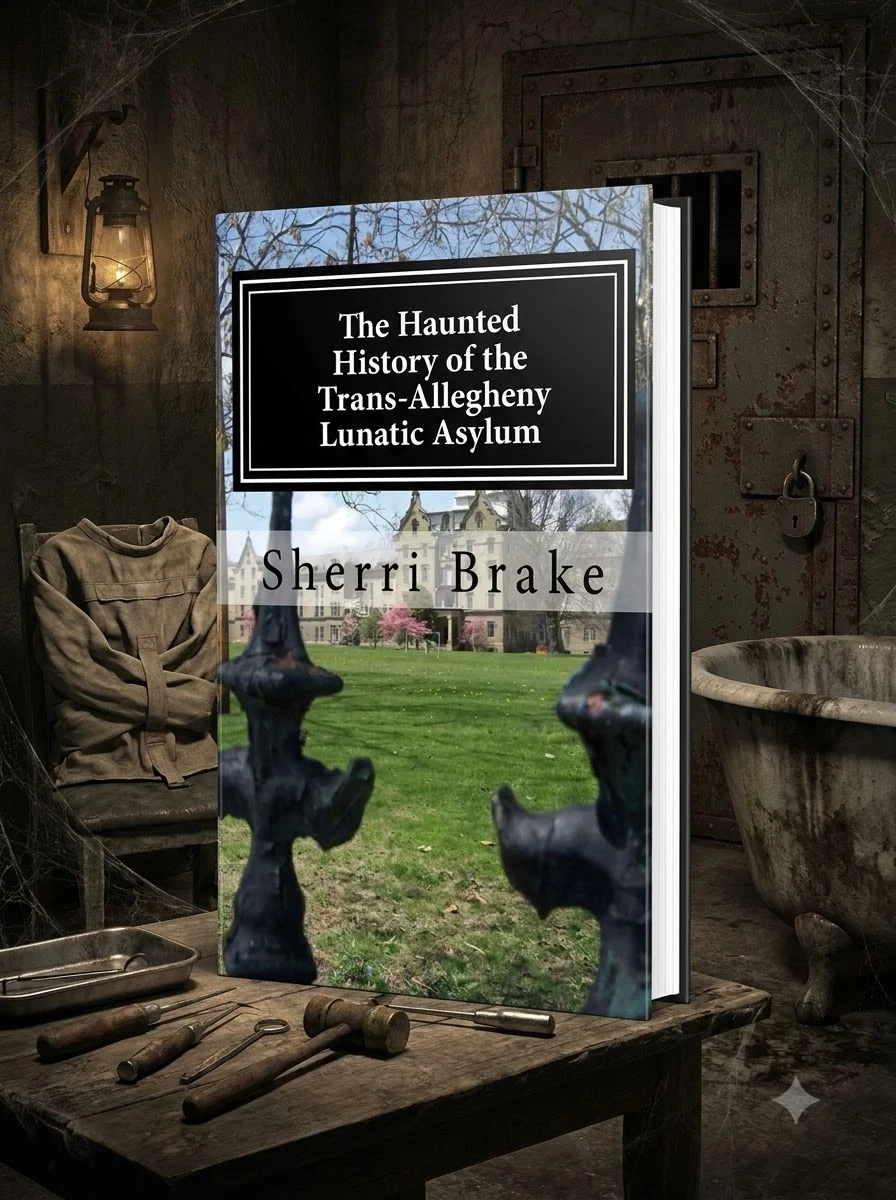

The Haunted History of the Trans Allegheny Lunatic Asylum
Brake, SherriStock reported in the catalog; fulfillment is confirmed with your request.
Unearth the chilling truths hidden within the crumbling walls of a notorious 19th-century asylum.
This haunting chronicle delves into the oppressive history of West Virginia's Trans-Allegheny Lunatic Asylum, an edifice erected in the 19th century to house society's most vulnerable. Author Sherri Brake meticulously unearths the grim realities faced by its inhabitants, from archaic medical interventions like lobotomies to the profound isolation of seclusion cells. It’s a stark, compelling journey through a dark chapter of American institutional care, revealing the human cost behind its imposing facade and inviting contemplation of the lingering energetic imprints.
This work situates itself within the genre of dark tourism and institutional history, exploring the intersection of architectural grandeur and medical ethics in 19th-century America. It contributes to the broader cultural fascination with haunted locations that serve as physical manifestations of societal neglect and historical trauma.


📝 Description: The Haunted History of the Trans Allegheny Lunatic Asylum
💎 Expert review
📖 Why choose it
Why this book is worth reading
Readers drawn to the eerie allure of abandoned places and those interested in the ethical evolution of mental health care will find profound value in this text. It offers more than just ghost stories; it provides a stark, compelling journey through a dark chapter of American institutional care. By revealing the human cost behind the imposing facade, the book invites readers to contemplate lingering energetic imprints and the grim realities faced by vulnerable inhabitants. It is ideal for those who appreciate meticulous historical unearthing combined with atmospheric dread, allowing them to understand the profound isolation and archaic interventions that defined this notorious asylum.
⭐ Reader reviews
Reader rating
While Sherri Brake’s chronicle effectively captures the oppressive atmosphere of the Trans-Allegheny Lunatic Asylum, it may not satisfy readers seeking rigorous academic analysis or complex theoretical frameworks. Those expecting deep philosophical discourses on esoteric practices might find the focus primarily on historical grim realities and architectural decay somewhat limited. However, for enthusiasts of place-based horror and true institutional history, the narrative succeeds in its goal. It avoids sensationalism, opting instead for a contemplative look at the human cost. Readers who prefer light, entertaining fiction over heavy historical exposition should approach with caution, as the tone remains consistently stark and serious throughout.
❓ Frequently asked questions
📖 Who should read this
Are you drawn to the shadowed corners of history, the unsettling truths of human suffering, or places believed to retain potent spiritual energy? This volume is for you. It offers a profound, if disquieting, look into a forgotten world.
🎯 Key themes and symbolism
Societal Marginalization
Delve into the societal attitudes that led to the confinement of the 'demented, the insane, and the unfortunate.' The narrative examines how individuals, often suffering from conditions poorly understood, were isolated from society, revealing the era's profound misunderstanding of mental health and its devastating impact on countless lives, particularly the vulnerable.
Echoes of the Past
Beyond the historical facts, the book implicitly invites reflection on the lasting energetic and spiritual residue left by such profound human suffering. For those attuned to the unseen, these historical accounts resonate with the potential for lingering presences, offering a deeper, more esoteric understanding of places steeped in intense emotional history and forgotten souls.
💬 Quotes from the book
“The very stones of the asylum seem to whisper tales of despair, a chilling testament to the forgotten souls entombed within its walls.”
“Beneath the guise of 'treatment,' desperate measures were enacted, often amplifying the suffering they sought to alleviate, a grim irony of the era.”
📜 Historical context
📚 Glossary
- Lobotomy
- Seclusion Cell
- Asylum
📔 Questions to reflect on
- Reflect on how historical perceptions of mental illness, as depicted in the book, differ from contemporary understandings. What lessons can we draw for current societal approaches?
- Imagine yourself as a patient confined within the Trans-Allegheny Lunatic Asylum in the 19th century. What emotions, fears, and daily struggles might you experience?
- Consider the ethical implications of the treatments described. How do these historical practices inform our understanding of medical ethics and human rights today?
✍️ More books by this author Brake, Sherri
All books by this author →
🏛 Books from this publisher Createspace Independent Publishing Platform
All books from this publisher →






You might also like
See more →



 91
91